Charles Kaziun, an american artist born in 1919, left an indelible mark on the art world with his unique style, despite the scarcity of information surrounding his life. This enigmatic figure's artistic journey is a testament to the transience of creative expression. He was born in Brockton, Massachusetts, where he resided with his wife Louise until his passing in January 1992. Their family life fostered an appreciation for craftsmanship and observation—qualities that would profoundly shape Kaziun’s artistic endeavors. Early exposure to scientific glassblowing ignited a passion for manipulating materials and transforming them into objects of beauty and precision. This formative experience instilled in him a methodical approach, blending technical skill with imaginative vision.
artistic style and influences
Kaziun's work defies easy categorization, presenting a captivating blend of disparate elements that nonetheless coalesce into a singular aesthetic. His distinctive technique—characterized by bold brushstrokes and vibrant colors—evokes a palpable sense of dynamism, inviting the viewer to immerse themselves in his artistic world. He drew inspiration from fellow american artists like Louis Comfort Tiffany, whose meticulous craftsmanship mirrored Kaziun’s dedication to excellence. Tiffany's masterful use of color and texture served as a guiding principle for Kaziun, demonstrating that innovation could flourish within established traditions. Furthermore, Edward Everett Hale’s quieter approach to art underscored the breadth of stylistic possibilities available to american artists. The influence of Hale’s contemplative gaze encouraged Kaziun to explore themes of introspection and observation—elements that would become central to his artistic vision.
major achievements
Kaziun achieved remarkable success in reviving a forgotten art form: millefiori paperweights. Recognizing the brilliance of Emil Larson, he embraced experimentation with glassmaking techniques, meticulously perfecting methods passed down through generations. His groundbreaking work elevated millefiori to new heights of artistry, establishing him as a pioneer in this field. He mastered a swirling latticinio cane and a brilliant two-sided torsade—skills that cemented his reputation as one of the foremost paperweight makers of his time. Beyond millefiori, Kaziun excelled at crafting exquisite crimp flowers and lampwork creations, demonstrating versatility and unwavering commitment to artistic excellence.
historical significance
Charles Kaziun Jr.’s legacy extends far beyond his individual achievements; he fundamentally reshaped the landscape of american glass art. His meticulous attention to detail—evident in every paperweight he produced—inspired a new generation of artists who sought to honor the traditions of their predecessors while pushing boundaries of innovation. The enduring fascination with millefiori and lampwork techniques testifies to Kaziun’s transformative impact on artistic practice. As a testament to his vision, his work resides prominently within the Charles Allis Kunstmuseum in Milwaukee—a beacon of american art history—and numerous other museums across the nation. His contribution to preserving and celebrating the beauty of handcrafted glass ensures that his artistry continues to inspire awe and admiration for years to come.
Vom WahooArt.com Redaktionsteam
Kunst-Quiz
Jede Frage hat nur eine richtige Antwort.
Frage 1:
Wie ist Kaziuns künstlerischer Stil hauptsächlich gekennzeichnet?
Frage 2:
Welcher amerikanische Künstler beeinflusste Kaziun’s Stil und teilte eine ähnliche Mischung aus Innovation und technische Fähigkeit?
Frage 3:
Kaziun’s Kunstwerke enthalten oft ein besonderes Element?
Frage 4:
Welche Art von Museum beherbergt eine bedeutende Sammlung amerikanischer Kunst, einschließlich Kaziun’s Werke?
Frage 5:
Charles Kaziun Jr. begann seine künstlerische Karriere mit einer Tätigkeit als wissenschaftlicher Glasbläser.
Explore the profound beauty of American Regionalism. Delve into the art history of Grant Wood and John Steuart Curry, uncovering how these masters captured the soul of the American Heartland through iconic landscapes and rural identity.
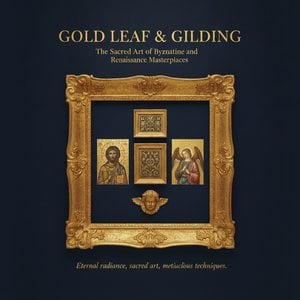
Explore the divine mastery of Byzantine gold leaf and gilding. Discover how ancient artisans used gold ground and mosaics to create celestial light, a timeless legacy of spiritual splendor and technical excellence in sacred art history.
Embark on a visual journey through the world's most radiant masterpieces. Discover how gold leaf, impasto textures, and gilded tones define luxury in fine art, from Byzantine icons to modern abstracts. Explore the eternal allure of gold in curated, museum-quality art collections.
WConciergeOnline · antwortet innerhalb einer Minute
Hallo! Ich kann Ihnen dabei helfen, ein Kunstwerk auszuwählen, eine Bestellung zu verfolgen oder Fragen zur Garantie zu beantworten. Wie kann ich Ihnen heute behilflich sein?