Der Maler der Allegorie und des imperialen Glanzes
Antoine François Callet, oft einfach als Antoine Callet bekannt, bleibt eine leuchtende Gestalt im prachtvollen Wandteppich der französischen Kunst des späten 18. Jahrhunderts. Sein Leben und seine Karriere entfalteten sich vor dem Hintergrund tiefgreifender historischer Transformationen, die die Dämmerung des Ancien Régime unter Ludwig XVI. und den Aufgang der napoleonischen Ära umspannten. In Paris geboren, trat Callet 1741 als Meister sowohl des intimen Porträts als auch der monumentalen Allegorie hervor – ein Maler, der fähig war, die feinen psychologischen Nuancen eines Monarchen einzufangen und gleichzeitig gewaltige, himmlische Erzählungen auf den Decken der prestigeträchtigsten Paläste Frankreichs zu inszenieren.
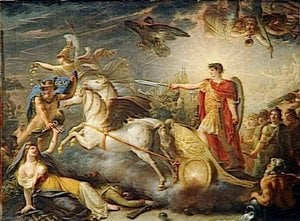
Callets Weg zur künstlerischen Meisterschaft war mit den angesehensten Auszeichnungen des französischen akademischen Systems gepflastert. Sein Talent fand formale Anerkennung, als er 1764 mit seinem evokativen Werk Cléobis et Biton conduisent le char de leur mère au temple de Junon den grand prix de Rome gewann. Dieser Triumph ermöglichte ihm die unschätzbare Gelegenheit, in Italien zu studieren, wo die Schatten von Meistern wie Caravaggio und die dramatische architektonische Energie Berninis einen unauslöschlichen Eindruck in seiner Technik hinterließen. In diesen prägenden Jahren in Rom verfeinerte Callet seinen Einsatz des Chiaroscuro und lernte, klassische Themen mit einem Gefühl für theatralische Bewegung zu durchdringen – eine Fähigkeit, die später seine berühmtesten Kompositionen definieren sollte.
Ein Meister der königlichen Porträtkunst und der Erhabenheit
Nach seiner Rückkehr nach Frankreich stieg Callet in die höchsten Kreise der Kunstwelt auf und sicherte sich eine Position innerhalb der Académie Royale de peinture et de sculpture. Seine Fähigkeit, die Eleganz des Rokoko-Stils mit der aufkommenden Disziplin des Klassizismus zu verbinden, machte ihn zur bevorzugten Wahl des französischen Adels und des Königshauses. Sein vielleicht nachhaltigstes Vermächtnis liegt in seiner Rolle als offizieller Porträtist von Ludwig XVI.. In Werken wie seinem Porträt des Königs aus dem Jahr 1779 schuf Callet mehr als nur eine bloße Ähnlichkeit; er konstruierte ein Symbol der Souveränität. Durch die akribische Darstellung von mit Hermelin gefütterten Roben und die strategische Platzierung der Lilie nutzte er die Sprache der Symbolik, um in einer Zeit wachsender politischer Spannungen Stabilität und das Gottesgnadentum zu projizieren.
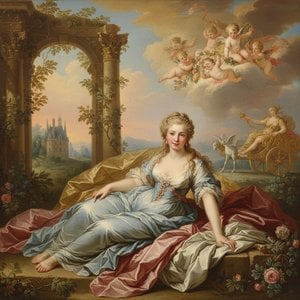
Jenseits des individuellen Porträts entfaltete Callets Genie im Bereich der großformatigen Dekorationsmalerei seine volle Pracht. Er besaß die seltene Gabe, architektonische Räume in immersive, mythologische Welten zu verwandeln. Seine Beiträge zur Galerie d'Apollon im Louvre, insbesondere sein atemberaubendes Deckenfresko Le Printemps ou Zéphire et Flore couronnant de fleurs Cybèle, demonstrieren seine Beherrschung von Farbe und illusionistischer Perspektive. In diesen Werken lösen sich die Grenzen zwischen dem physischen Raum und dem gemalten Himmel auf und laden den Betrachter in eine Symphonie aus Gold, Azurblau und ewigem Frühling ein.
Das Vermächtnis einer Ära im Wandel
Die Bedeutung von Callets Œuvre reicht weit über die bloße Dekoration hinaus; sein Werk dient als visuelle Chronik einer Welt im Umbruch. Während sich Frankreich vom dekadenten Glanz der Monarchie durch die Erschütterungen der Revolution bis hin zu den imperialen Ambitionen Napoleons bewegte, fing Callets Pinsel die wechselnden ästhetischen Werte der Zeit ein. Seine Fähigkeit, zwischen der ornamentalen Anmut des Rokoko und der strukturierten Nobless des Klassizismus zu navigieren, erlaubte es ihm, über Jahrzehnte intensiven sozialen Wandels hinweg relevant zu bleiben.
Die Werke von Antoine François Callet zu studieren bedeutet, den Herzschlag der französischen Geschichte durch Farbe und Pigment zu erleben. Zu seinen Errungenschaften gehören:
- Akademische Exzellenz: Der Gewinn des prestigeträchtigen Prix de Rome, der sein Fundament in der klassischen Antike festigte.
- Königliche Schirmherrschaft: Die Rolle als primärer visueller Architekt für die Identität Ludwigs XVI.
- Architektonische Transformation: Die Schaffung monumentaler Deckenmalereien, welche die innere Pracht französischer Paläste wie des Palais du Luxembourg neu definierten.
- Stilistische Synthese: Die erfolgreiche Überbrückung der Kluft zwischen den emotionalen, fließenden Linien des Rokoko und den disziplinierten, heroischen Themen des Klassizismus.
Heute stehen Callets Gemälde als Fenster in eine verlorene Epoche der Eleganz und erinnern uns an eine Zeit, in der die Kunst dazu genutzt wurde, die Fäden von Mythos, Macht und menschlicher Emotion zu einem einzigen, prächtigen Wandteppich zu verweben.
Fragen & Antworten
In welchen Stilrichtungen war Antoine Callet tätig?
Die Werke von Antoine Callet können auf der Seite Alle Stilrichtungen nach Kunstströmungen durchsucht werden.
In welcher Stadt und in welchem Land wurde Antoine Callet geboren?
Antoine Callet wurde in Paris, Frankreich, geboren.
Woher kommt Antoine Callet?
Antoine Callet wurde in Frankreich geboren.