A Surrealist Voice from the Spanish Landscape: Andrés Rábago García
Andrés Rábago García, known to many as El Roto – “the broken one” – is a pivotal figure in contemporary Spanish graphic humor and satirical art. Born in Madrid in 1947, his career unfolded against the backdrop of a changing Spain, transitioning from the rigid control of Franco’s dictatorship towards a more open society. This political climate profoundly shaped his artistic trajectory, imbuing his work with a potent blend of social commentary, surreal imagery, and a distinctly rebellious spirit. Rábago didn't simply observe this transformation; he actively participated in it, using his art as a vehicle for dissent and critical reflection.
Initially publishing under the pseudonym Ops during the Franco era, Rábago’s early work appeared in magazines like Hermano Lobo, navigating the constraints of censorship with clever symbolism and veiled critiques. This period honed his ability to convey complex ideas through deceptively simple visuals, a skill that would become a hallmark of his style. The influence of surrealism is immediately apparent, drawing comparisons to artists like Roland Topor – a connection Rábago acknowledges and embraces. Like Topor, he delves into the grotesque, the absurd, and the unsettling, but with a uniquely Spanish sensibility rooted in both historical anxieties and everyday life.
The Development of a Singular Style
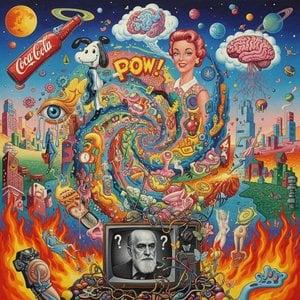
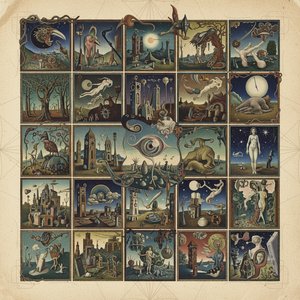
Rábago’s artistic language is characterized by its dreamlike quality, populated by distorted figures, fragmented landscapes, and objects imbued with symbolic weight. His drawings often feel like glimpses into the subconscious, revealing hidden fears, societal contradictions, and the inherent fragility of human existence. He masterfully employs mixed media – watercolor, ink, collage – creating textures that enhance the unsettling atmosphere of his compositions. The use of stark contrasts, bold lines, and a muted color palette further contribute to the emotional impact of his work.
His technique isn’t about meticulous realism; it's about capturing an *essence*, a feeling. Figures are often elongated or contorted, faces mask-like and devoid of conventional emotion, creating a sense of alienation and unease. This deliberate distortion serves to amplify the satirical message, forcing viewers to confront uncomfortable truths about power structures, social norms, and the human condition. He doesn’t offer easy answers; instead, he presents fragmented narratives that invite interpretation and provoke thought.
Themes and Major Achievements
Throughout his prolific career, Rábago has consistently tackled themes of political corruption, consumerism, environmental degradation, and the absurdity of modern life. His work often features a cynical yet humorous portrayal of authority figures, exposing their hypocrisy and incompetence with biting wit. He’s also explored the darker aspects of human psychology, delving into anxieties surrounding identity, mortality, and the search for meaning in a chaotic world.
While he has worked extensively as a cartoonist and illustrator, contributing to numerous publications throughout Spain and beyond, Rábago's impact extends beyond the realm of daily media. His artwork has been exhibited widely in galleries and museums, solidifying his reputation as one of Spain’s most important graphic humorists. A significant achievement is his ability to seamlessly blend artistic expression with social activism, creating work that is both visually compelling and intellectually stimulating.
Historical Significance and Lasting Legacy
Andrés Rábago García occupies a unique position in Spanish art history. He emerged during a period of profound political change, using his art as a powerful tool for challenging the status quo and advocating for social justice. His influence can be seen in the work of numerous contemporary artists who continue to explore themes of satire, surrealism, and critical commentary.
His legacy lies not only in the striking visual style he developed but also in his unwavering commitment to using art as a means of resistance and reflection. He demonstrated that humor can be a potent weapon against oppression, and that even the most unsettling imagery can serve as a catalyst for social change. Today, El Roto continues to create work that is both relevant and provocative, reminding us of the importance of questioning authority, challenging norms, and embracing the power of imagination.