Die auf dieser Seite dargestellten Kunstwerke sind urheberrechtlich geschützt, was bedeutet, dass wir keine identische Reproduktion rechtmäßig erstellen oder verkaufen dürfen. Dieser Schutz wird durch internationale Abkommen wie die Berner Übereinkunft und durch nationale Gesetze, einschließlich derer, die von den US-Urheberrecht – Titel 17.
Diese Methode entspricht vollumfänglich den Urheberrechtsbestimmungen, da sie keine Kopie oder Vervielfältigung des geschützten Kunstwerks darstellt. Stattdessen handelt es sich um eine kreative Neuinterpretation – ein neues Gemälde, das vom Original inspiriert, aber nicht identisch mit ihm ist.
Giclée- oder Leinwanddruck in Museumsqualität mit schneller Produktion und flexiblen Veredelungsoptionen. ( Handgemalte Reproduktion bestellen Zum digitalen Bild wechseln)
Wählen Sie aus unseren vordefinierten Formaten, die den ursprünglichen Proportionen des Kunstwerks entsprechen.

Geben Sie die benötigte Breite und Höhe an, damit der Druck perfekt in Ihren Rahmen oder an Ihre Wand passt. Ein Druck kann nur beschnitten, aber niemals größer als das Originalbild angefertigt werden; daher verliert ein Format mit anderen Proportionen einen Teil des Bildes. Wir senden Ihnen ein digitales Mockup zur Freigabe, bevor wir den Druck ausführen. Das auf dieser Seite gezeigte Bild zeigt nicht den tatsächlichen Beschnitt – dies ist nur im Mockup ersichtlich.
Weltweiter Versand () innerhalb von 2 Wochen statt der üblichen 4/5 Wochen. (8 November)
Maske
Format der Reproduktion
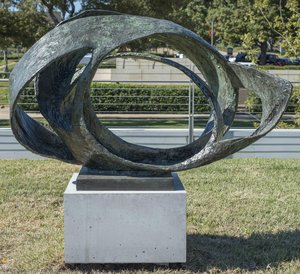
In der Stille der modernen Bildhauerei beanspruchen nur wenige Werke den Raum mit einer so dezenten Kraft wie Barbara Hepworths „Maske“, die 1928 geschaffen wurde. Dieses Werk ist nicht bloß ein Objekt, das betrachtet werden will; es ist eine Erfahrung, die man fühlen muss. Auf den ersten Blick begegnet dem Betrachter eine täuschend einfache geometrische Form – eine sanfte, ovale Gestalt, die förmlich in ihrem Holzrahmen zu schweben scheint. Doch wer verweilt, dem offenbart die Skulptur eine tiefe Dimension, die einen meditativen Dialog zwischen dem Beobachter und dem Stein einlädt. Hepworth, eine Titanin der britischen Moderne, besaß die unvergleichliche Fähigkeit, die Komplexität menschlicher Emotionen in die reinste Essenz organischer Abstraktion zu destillieren.
Die physische Präsenz der Skulptur wird durch ihre exquisite Materialwahl definiert: Alabaster. Dieses Medium verleiht ihr eine milchige, ätherische Transluzenz, die es dem Licht ermöglicht, bis in das Herz des Steins vorzudringen, wodurch ein inneres Leuchten entsteht, das dem Unbelebten Leben einhaucht. Die Oberfläche ist ein Meisterwerk taktiler Präzision; akribisches Polieren und Schleifen haben ein glattes, luminöses Finish erzielt, während subtile Irregularitäten dennoch daran erinnern, dass das Werk aus der Erde selbst geschlagen wurde. Dieses Zusammenspiel von Licht und Textur erzeugt eine Dynamik innerhalb der statischen Form und lässt das Stück so wirken, als sei es in einem Moment ewiger Transformation eingefangen.
Um die „Maske“ zu verstehen, muss man die historischen Strömungen betrachten, die Hepworths Vision geformt haben. Entsprungen aus der lebendigen Kunstlandschaft des frühen 20. Jahrhunderts, war Hepworth tief vom surrealistischen Denken und der aufstrebenden Bewegung hin zur Abstraktion beeinflusst. Während ihre Zeitgenossen oft nach einem vollständigen Bruch mit der Vergangenheit strebten, fand Hepworth ihre Inspiration im Alten. Der Titel selbst beschwört die urwüchsige Bedeutung zeremonieller Masken herauf – Objekte, die in der Menschheitsgeschichte genutzt wurden, um Rituale, Verkleidungen und spirituelle Übergänge zu ermöglichen. Indem sie diese uralten Echos mit einem modernen, geometrischen Empfinden verschmolz, schuf sie ein Werk, das sich zugleich zeitlos und avantgardistisch anfühlt.
Die Skulptur fungiert als Brücke zwischen dem Sichtbaren und dem Unsichtbaren. In ihren gemeißelten Zügen liegt eine eindringliche Qualität – eine subtile Spannung zwischen Verbergen und Enthüllen. Sie fordert den Betrachter auf, darüber nachzusinnen, was sich unter der Oberfläche unserer eigenen Identität verbirgt. Für Sammler oder Innenarchitekten bietet dieses Stück weit mehr als bloße Dekoration; es ist ein Fixpunkt für intellektuelle Neugier und emotionale Reflexion. Ob in einer lichtdurchfluteten Galerie oder in einem anspruchsvollen zeitgenössischen Wohnraum platziert – die „Maske“ wirkt wie ein Anker der Gelassenheit, dessen stille Stärke in der Lage ist, die Atmosphäre jedes Umfelds zu transformieren.
Für jene, die eine Sammlung kuratieren möchten, welche die Höhepunkte der Bildhauerei des 20. Jahrhunderts feiert, bietet eine hochwertige Reproduktion dieses Meisterwerks eine unvergleichliche Gelegenheit. Die Schönheit von Hepworths Werk liegt in seiner Fähigkeit, mit unterschiedlichsten Innenraumästhetiken zu harmonieren – von der minimalistischen Strenge moderner Architektur bis hin zu den warmen, organischen Texturen des Mid-Century-Designs. Ein Werk zu besitzen, das den Geist von Unit One und das Erbe von St Ives einfängt, ist eine Einladung, Seite an Seite mit der Geschichte zu leben.
Eine Reproduktion der „Maske“ erlaubt es dem subtilen Spiel des Lichts und der tiefen Stille von Hepworths Vision, Ihren persönlichen Raum zu durchdringen. Sie ist ein Tribut an die beständige Kraft der Form, eine Feier der Fähigkeit der Künstlerin, das Unendliche im Endlichen zu finden, und eine zeitlose Bereicherung für jeden, der Schönheit in der leisen, kraftvollen Sprache der Abstraktion findet.
„Maske“ ist ein Werk der Moderne Bildhauerei. Die Stilrichtung gibt die künstlerische Tradition an, der das Werk angehört.
Ähnliche Kunstwerke zu "Maske" von Barbara Hepworth finden Sie auf der Seite Ähnliche Werke des Kunstwerks.
Die dominante Farbe von "Maske" von Barbara Hepworth ist Von Bernstein bis Safran. Dieser Farbton bildet die Grundlage der Palette.

Hepworths künstlerische Entwicklung war von verschiedenen Einflüssen geprägt. Ihre frühen Werke zeigten noch vereinfachte, naturalistische Formen, doch sie konzentrierte sich zunehmend auf formale Aspekte. Die Begegnung mit Künstlern wie Brancusi und Arp in Paris trug maßgeblich zu ihrer Hinwendung zur Abstraktion bei. Sie experimentierte mit Collage, Fotogrammen und Drucken und entwickelte eine einzigartige Sensibilität für ihre Materialien. Ihre Arbeit wurde von der direkten Bearbeitung des Materials geprägt, wobei sie oft Fäden, Drähte und farbiges Pigment in ihre Skulpturen integrierte.

1903 - 1975 , Vereinigtes Königreich

Erfahren Sie alles über die Technik und Lichtmagie klassischer Marmorbildhauerei. Entdecken Sie die Tiefe der alten Meister jetzt.

Embark on a profound journey through the world's most iconic mask artworks. Explore the spiritual depth, intricate craftsmanship, and rich cultural heritage of global traditions, from Chhau to Gomira, in this expert-led exploration of ancestral artistry and symbolic beauty.
 Versenden
 Teilen
 Details anzeigen
 Leitfaden

 Herunterladen
 Ähnliche Objekte
 Diashow
 Fragen & Antworten
 Statistiken


 Weiterlesen






































 Die Glasoption ist nur für Größen unter 110 cm verfügbar.