


x

Nestled within the historic heart of Spoleto, Italy, the Collegiata di Santa Maria Maggiore stands as a breathtaking testament to centuries of artistic evolution and profound spiritual devotion. More than just a church, it’s a living chronicle of Italian history, a vibrant tapestry woven with threads of Romanesque grandeur, soaring Baroque ornamentation, and an unparalleled collection of religious art. A visit here is not merely sightseeing; it's an immersive experience, transporting you back through time to witness the very heart of Umbria’s cultural soul.
The church’s architectural story begins long before its current form. Originally a Roman temple dedicated to Diana, the site was later transformed into a Christian basilica in the 5th century. Over subsequent centuries, it underwent numerous expansions and renovations, reflecting the shifting styles and influences of each era. The most dramatic transformation occurred during the 13th century under the patronage of Pope Innocent IV, resulting in the magnificent Baroque façade that dominates the skyline today. This facade, a riot of sculpted figures, intricate details, and dynamic curves, immediately announces the church’s power and artistic ambition. The building itself is a masterful blend of Romanesque solidity and Renaissance elegance, showcasing a remarkable continuity of design principles.
Within the Collegiata's walls lies a collection of medieval frescoes that are truly exceptional for their preservation and artistic merit. These vibrant murals offer an intimate glimpse into the religious beliefs and artistic practices of the Middle Ages, depicting scenes from the Bible with remarkable detail and emotional intensity. Look closely at the figures – their expressions, gestures, and clothing provide invaluable insights into the social customs and spiritual values of the time. The frescoes are not merely decorative; they were intended to educate and inspire the faithful, serving as visual narratives for a largely illiterate population. Particular attention should be paid to the depictions of saints and biblical scenes, showcasing the skill and devotion of the anonymous artists who brought these stories to life on the church’s walls.
Perhaps the most iconic element within the Collegiata is the “Salus Populi Romani,” or “Health of the Roman People.” This revered image, depicting the Virgin Mary holding the Christ Child, is a masterpiece of Byzantine iconography. Its origins are shrouded in legend, with accounts suggesting it was miraculously found in Rome during the reign of Emperor Constantine. The icon’s presence in Spoleto speaks to the city's historical connection to the Papal States and its role as a center of religious pilgrimage. The image itself is characterized by its serene beauty, luminous colors, and profound sense of spiritual grace – an embodiment of hope and protection for those who venerated it.
Beyond the frescoes and the icon, the Collegiata houses a remarkable array of ecclesiastical treasures. These include intricately carved reliquaries, ornate vestments, illuminated manuscripts, and liturgical objects – each piece offering a tangible connection to the church’s rich history. The collection provides invaluable insights into the religious practices, artistic traditions, and social customs of the region over centuries. The presence of artifacts from various periods—from Romanesque relics to Baroque furnishings—demonstrates the evolving nature of faith and art within the church's walls. Furthermore, the church played a significant role in the Council of Trent, as evidenced by Ludovico Sardagna’s engraving depicting the event, highlighting its importance within the broader context of Catholic reform.
The Collegiata di Santa Maria Maggiore is more than just a beautiful building; it's a complex and layered historical artifact. The seamless blend of Baroque grandeur with ancient religious artifacts creates an immersive experience for visitors, offering a rare opportunity to witness the evolution of artistic styles and religious beliefs over centuries. Its location in the charming city of Spoleto adds to its allure, making it a must-see destination for anyone exploring Umbria’s rich cultural heritage. Plan your visit to discover this remarkable church and museum – a journey through faith, art, and history that will undoubtedly leave a lasting impression.
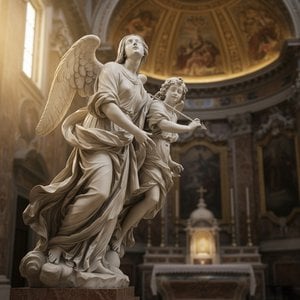
Explore the life & revolutionary art of Gian Lorenzo Bernini, the master sculptor of the Baroque era. Discover his iconic works like David and Ecstasy of Saint Teresa – a journey into Roman artistic genius.

Explore the rich history of religious art from Giotto to the Renaissance masters with WahooArt. Discover symbolism, techniques & enduring legacies. Museum-quality reproductions available.

Explore the dramatic world of Baroque art! Discover iconic artists like Caravaggio & Rubens, defining techniques, and its lasting impact on art history. Expert insights for collectors & enthusiasts at WahooArt.


Hold dig opdateret med de seneste kunstnyheder, eksklusive tilbud og indretningsideer.
Fortæl os om dit projekt, og vores kunsteksperter vil give dig 3 personlige kunstforslag.
Vi kuraterer 3 valgmuligheder kun til dig – Gratis!


