Tosa Mitsunari: The Quiet Maestro of Yamato-e
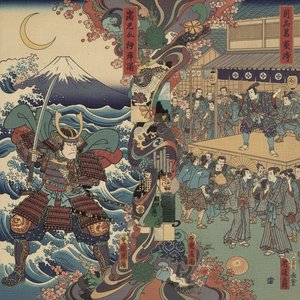
Tosa Mitsunari (土佐 光起, november 21, 1617 – november 14, 1691) stands as a pivotal figure in Edo period Japanese art history—specifically within the Tosa school. Born in Sakai, Osaka Prefecture, he inherited his father’s artistic legacy and skillfully steered the school towards Kyoto after approximately fifty years of operation in Sakai, marking a significant shift in its geographical center and artistic trajectory. Unlike many contemporaries who pursued grand narratives or flamboyant displays of skill, Mitsunari cultivated a distinctive aesthetic rooted in “areas of flat opaque colour enclosed by simple outlines,” prioritizing precision and conventional drawing techniques—a hallmark characteristic of yamato-e style paintings. This approach distinguished him from the more overtly ornate Kanō school, which flourished during the Muromachi period (1338–1573), establishing Mitsunari as a champion of understated elegance and profound observation.- Early Life & Artistic Training: Mitsunari’s formative years were spent under the tutelage of his father, Tosa Mitsunori, who himself was a respected artist known for his depictions of ceremonial fans—a genre favored by the Kyoto court. This familial connection instilled in Mitsunari a deep understanding of yamato-e traditions and established him as a student of meticulous craftsmanship.
- The Founding & Sakai Period: Following Mitsunori’s death, Mitsunari assumed leadership of the Tosa school, relocating it to Kyoto in 1634. During this initial phase, Mitsunari focused on capturing the essence of everyday life and portraying scenes from Japanese folklore—primarily for townsmen clientele. This pragmatic approach contrasted with the ambitions of some other artists who sought patronage at the imperial court.
- Kyoto & Court Recognition: Mitsunari’s move to Kyoto represented a strategic effort to elevate the school's status within the imperial hierarchy. Remarkably, he secured a position as court painter (edokoro azukari) around 1654—a role traditionally held by the Kano school—demonstrating his astute understanding of artistic trends and securing invaluable access to influential patrons.
The Legacy of Yamato-e & Influence on Artistic Style
Mitsunari’s distinctive yamato-e style profoundly impacted subsequent generations of Tosa artists. His meticulous attention to detail—particularly in rendering textures and capturing subtle nuances of light—became a cornerstone of the school's artistic identity. Furthermore, Mitsunari’s preference for simplified outlines and restrained colour palettes served as an antidote to the elaborate ornamentation prevalent in other schools, establishing him as a proponent of clarity and contemplative beauty. His work directly influenced artists who followed him, shaping the visual language of Edo period art and cementing his place among Japan's most influential painters.- Notable Works: Among Mitsunari’s celebrated paintings is ‘The Tale of Genji at Suma,’ a masterful depiction of a pivotal scene from Murasaki Shikibu’s iconic novel—a testament to his ability to convey complex emotions and narratives through restrained visual elements. This painting exemplifies the school's commitment to literary subjects and its dedication to capturing psychological depth.
- The Kano School Connection: Mitsunari’s appointment as court painter coincided with a period of shifting artistic sensibilities, where the Kano school—previously dominant—was gradually losing favor at court. This circumstance ironically opened doors for Mitsunari and his successors to gain recognition and expand their audience.
Later Years & Artistic Legacy
Mitsunari continued to refine his artistic technique throughout his life, contributing significantly to the development of Japanese painting during the Edo period. He oversaw the continuation of Tosa school traditions—passing on his knowledge and skills to future generations—ensuring that yamato-e style remained a vibrant force in Japanese art for decades afterward. His meticulous approach to craftsmanship and his unwavering devotion to capturing the spirit of ancient Japanese culture solidified his reputation as one of Japan’s greatest artistic figures, leaving an indelible mark on the history of Edo period painting.- Influence Beyond Technique: Mitsunari's understated aesthetic—characterized by simplicity and precision—served as a counterpoint to the grandeur of other schools, fostering a tradition of contemplative observation that continues to inspire artists today.