A Dual Existence: The Artistic Journey of Francesco João Scavarda
Francesco João Scavarda, born in Milan, Italy, in 1987, embodies a fascinating artistic duality—a life lived between two cultures, a practice steeped in both historical reverence and contemporary urgency. His work isn’t easily categorized; it exists in the compelling space where calculated reduction meets overwhelming complexity, where the immediacy of gesture clashes with meticulous planning. Scavarda's narrative is one of constant reconfiguration, a perpetual loop of questioning and rebuilding that defines his approach to painting and its very essence. He studied at the Accademia di Belle Arti di Brera in Milan, laying a foundation steeped in traditional techniques before embarking on a path that would see him navigate the complexities of the modern image landscape.
Navigating Between São Paulo and Milan: A Transcultural Dialogue
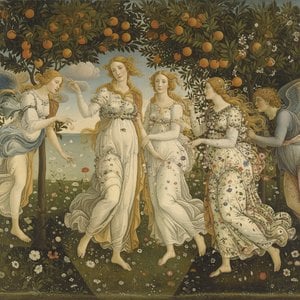
The artist’s life is inextricably linked to his geographic displacement. While born and initially trained in Italy, Scavarda maintains strong ties to Brazil, spending significant periods working between São Paulo and his family home on the shores of Lake Maggiore. This transcultural existence isn't merely biographical detail; it profoundly shapes his artistic vision. The vibrant energy and rapid evolution of the Brazilian art scene contrast with the historical weight of European tradition, creating a unique tension that fuels his exploration of pictorial processes. He doesn’t simply *represent* these two worlds but actively synthesizes them, layering influences and perspectives to create something entirely new. This is evident in his deliberate use of materials and techniques—a subtle gouache wash alongside bold juxtapositions, referencing both Renaissance masters and the immediacy of digital imagery.
The Ambivalence of the Pictorial Method
Scavarda’s practice centers around what he terms the “ambivalence of the pictorial method.” This isn't a rejection of painting but rather an interrogation of its inherent contradictions. He is fascinated by the tension between intention and chance, control and spontaneity. His canvases are built through complex schemas of layered forms, where images emerge not through direct application but through subtraction—a process of revealing as much as concealing. The artist often begins with digital compositions, meticulously planning each element before translating them onto canvas. However, this initial structure is rarely rigid; it serves as a starting point for improvisation and unexpected discoveries. This approach reflects a broader engagement with the contemporary info-sphere, acknowledging the constant flux of images and information that surrounds us. He’s not interested in creating definitive statements but rather exploring the possibilities within uncertainty.
Deconstructing Representation: Fontana, Comics, and Chocolate
A key aspect of Scavarda's work is his willingness to engage with art historical precedents while simultaneously dismantling traditional hierarchies. His installation “Concetto Spaziale” at Pivô in São Paulo, for example, directly references Lucio Fontana’s iconic slashed canvases. However, rather than replicating the radical gesture of destruction, Scavarda *simulates* it using gouache, turning a dynamic act into a static image. This playful deconstruction extends to his broader selection of source material. He draws inspiration from diverse sources—classical Renaissance paintings, comic books, even chocolate packaging—elevating these seemingly disparate images to the status of “art.” By refusing to privilege any particular subject matter, Scavarda challenges conventional notions of artistic value and explores the very legitimacy of painting itself. The act of painting becomes a means of questioning what constitutes art in the first place.
Historical Significance and Contemporary Relevance
Francesco João Scavarda’s work occupies a unique position within contemporary art. He isn't easily aligned with any single movement or school, instead forging his own path through a synthesis of historical awareness and modern sensibility. His exploration of the pictorial process—the interplay between intention, chance, and representation—resonates deeply in an age saturated with images. His canvases are not simply objects to be viewed but rather invitations to contemplate the nature of perception itself. Scavarda’s ability to blend technical skill with conceptual rigor has earned him recognition from both critics and collectors. He represents a new generation of artists who are comfortable navigating between tradition and innovation, challenging established norms while simultaneously honoring the legacy of those who came before. His work is a testament to the enduring power of painting—not as a static medium but as a dynamic space for exploration, questioning, and reinvention.