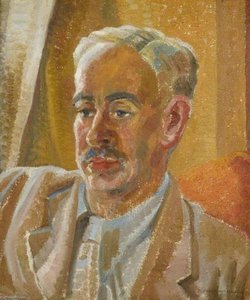
Doris Boulton-Maude (1893–1961): A Visionary of Landscape and Printmaking
Doris Boulton-Maude (1893–1961) stands as a remarkable figure in British art history, celebrated primarily for her exquisite wood engravings and etchings that capture the essence of England’s countryside and the grandeur of Egypt. Born in 1892, she embarked on an artistic journey marked by rigorous training at Burslem School of Art and subsequent enrollment at the Royal College of Art, where she honed her skills under influential mentors.
- Early Life & Education: Boulton-Maude’s formative years were spent cultivating a passion for art amidst the burgeoning artistic landscape of Stoke on Trent. Her studies at Burslem School of Art provided foundational knowledge in drawing and painting, preparing her for the challenges ahead.
- Royal College of Art Influence: Attending RCA from 1916 to 1921 proved pivotal, exposing her to avant-garde ideas and fostering collaborations with fellow artists who shaped her artistic sensibilities. Notably, she was mentored by William Nicholson, a prominent member of the Camden Town Group, whose stylistic approach profoundly impacted her own work.
- Early Exhibitions & Recognition: Boulton-Maude’s talent swiftly gained recognition through exhibitions at the Royal Academy and Slade School of Art, establishing her presence within the British artistic community. Her membership in the Royal Society of Painter-Etchers and Engravers underscored her commitment to mastering printmaking techniques.
Her artistic career blossomed during a transformative period spent in Egypt between 1924 and 1931, where she participated in the Pennsylvania Archaeological Expedition to Palestine. This experience instilled within her an appreciation for exotic landscapes and informed her visual vocabulary—a characteristic that would become central to her distinctive style.
- Egyptian Inspiration: The expedition’s meticulous documentation of ancient sites ignited Boulton-Maude's imagination, inspiring her to depict Egyptian vistas with remarkable detail and sensitivity.
- Return to England & Continued Artistic Pursuit: Upon returning to England, she briefly revisited Slade School of Art before resuming her prolific artistic output, demonstrating unwavering dedication to her craft.
Throughout her life, Boulton-Maude’s prints—particularly those depicting the Northeast of England and Palestine—became celebrated for their evocative portrayal of rural landscapes and historical sites. Her work was showcased at prestigious institutions such as the Walker Art Gallery and the National Gallery of Victoria, cementing her legacy as a master of color woodcut printmaking.
- Notable Exhibitions: From 1934 to 1936 and from 1933 to 1938, Boulton-Maude’s prints captivated audiences at the Society of Wood Engravings annual exhibitions and the Society of Graver Painters in Colour.
- Recognition & Legacy: Her contributions to British art were honored by institutions like the Walker Art Gallery and the National Gallery of Victoria, ensuring that her artistic vision would endure for generations to come.
Doris Boulton-Maude’s enduring influence stems from her ability to transform observation into compelling visual narratives—a testament to her artistic skill and unwavering passion for capturing the beauty of both England's countryside and Egypt's ancient monuments. Her prints remain treasured examples of British art, embodying a profound connection between landscape, history, and artistic technique.