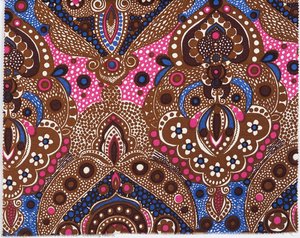
Erindringens tråde: Anna Borkowskas modstandsdygtige kunstnerskab
Livet for Anna Borkowska (1916–2008) var en dybdegående gobelin vævet af tråde fra fordrivelse, overlevelse og en urokkelig kreativ ånd. Hun blev født i Mykolaiv, og hendes tidlige år blev defineret af det tyvende århundredes seismiske skift, da skyggerne fra Anden Verdenskrig og den efterfølgende sovjetiske besættelse af Polen omformede hendes skæbne. Tvunget ind i den rædselsvækkende virkelighed ved genbosættelsen i Sibirien oplevede Borkowska på egen krop hjemmets skrøbelighed og eksilets tyngde. Det var i denne prøvelsesild af modgang, at hendes kunstneriske identitet begyndte at tage form, ikke blot som et middel til æstetisk udtryk, men som et livsvigtigt fartøj til at bevare de minder, som historiens bølger forsøgte at slette.
Mens mange af hendes samtidige søgte tilflugt i det traditionelle repræsentative maleri, vendte Borkowska sig mod tekstilkunstens taktile og intime medie. For hende var stof mere end blot en overflade; det var et depot for de uforgængelige følelser af tab og nostalgi. Hendes arbejde sprang ofte det bogstavelige billede over til fordel for en sofistikeret abstraktion, hvor hun benyttede farvepaletter, der fremmanede Østersøens melankolske skønhed. Disse kølige blå nuancer og skiftende toner fungerede som en visuel metafor for både erindringens ro og de turbulente strømninger i hendes eget livs rejse. Gennem et omhyggeligt håndværk transformerede hun klæde til et underbevidsthedens landskab, hvor hvert sting og hver farve kunne repræsentere den vedholdende styrke, man finder i mødet med sårbarhed.
En dobbelt arv af præstation og håndværk
Borkowskas evne til at formidle dybe menneskelige forbindelser rakte langt ud over væven og akvarelpenslen. Hun besad en sjælden, empatisk nærvær, der gjorde det muligt for hende at bygge bro mellem billedkunst og dramatisk præstation. Denne unikke følsomhed sikrede hende international anerkendelse, da hun medvirkede i Jafar Panahis filmiske mesterværk, Den hvide ballon (1995). I rollen som den velvillige ældre kvinde brugte hun sin levede erfaring med modstandskraft til at give liv til en karakter, der resonerede hos et publikum verden over. Denne rolle fungerede som et rørende skæringspunkt mellem hendes to verdener, hvor den samme følelsesmæssige dybde, man fandt i hendes tekstildesign, blev spejlet i hendes evne til at indfange essensen af menneskelig kontakt på lærredet.
Betydningen af hendes værk ligger i dens evne til at forvandle personlige traumer til universelle temaer om genvinding og heling. Hendes bemærkelsesværdige værker, såsom Beklædningsstof (1972), demonstrerer en beherskelse af akvareldesign, der indfanger en følelse af bevægelse og fluiditet. At studere Borkowskas kunst er at engagere sig i følgende elementer af hendes eftermæle:
- Fordrivelsens kunst: Brugen af teksturelle strukturer til at symbolisere den fragmenterede natur af flygtningens identitet.
- Kromatisk symbolik: Anvendelsen af maritime farver til at afspejle både fred og krigens omvæltninger.
- Tværfaglig dybde: Den sømløse sammensmeltning af filmisk empati med tekstilkunstens taktile præcision.
- Historisk modstandskraft: En livslang dedikation til at dokumentere den menneskelige ånds overlevelse gennem abstrakt form.
Endeligt forbliver Anna Borkowska en vital skikkelse i det tyvende århundredes kunsthistorie, som repræsenterer en bro mellem de fordrevnes personlige kampe og abstraktionens universelle sprog. Hendes arbejde står som et vidnesbyrd om tanken om, at selv når ens hjemland er tabt, kan identitetens essens væves på ny, tråd for tråd, til noget vedvarende og smukt.
Spørgsmål og svar
Findes der en tidslinje over Anna Borkowskas værker?
Anna Borkowskas værker kan ses i kronologisk rækkefølge på kunstnerens Tidslinje for kunstværker-side.
I hvilken historisk periode arbejdede Anna Borkowska?
Anna Borkowska var aktiv i Moderne tid-perioden. Denne periode placerer kunstnerens virke i en historisk kontekst.
Kan jeg udforske Anna Borkowskas værker efter farvespektrum?
Anna Borkowskas værker kan udforskes efter farve på kunstnerens Farveindeks side.