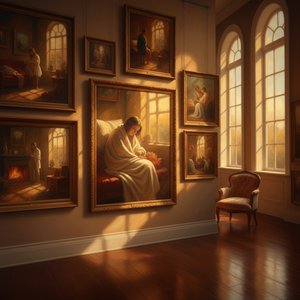
A Window into Chilean Identity: Exploring the Colección Mac Kellar
Nestled within the elegant Museo Santa Rosa de Apoquindo in Santiago, Chile, lies a remarkable treasure – the Colección Mac Kellar. More than just a museum, it’s a poignant testament to a singular act of philanthropy and a profound celebration of Chilean artistic heritage. Established through the generous donation of Ricardo Mac Kellar, this collection offers an intimate journey into the nation's visual soul, spanning from the 19th to the mid-20th centuries. The museum itself, with its serene setting and accessible design, provides a perfect backdrop for contemplating the diverse styles and powerful narratives woven within these paintings.
The heart of the Colección Mac Kellar resides in its impressive roster of Chilean paintings. It’s a carefully curated selection that deliberately avoids overwhelming breadth, instead focusing on showcasing the evolution of artistic expression within the country. You'll discover works by the “Grandes Maestros de la Pintura Chilena,” those foundational figures whose landscapes and portraits established a distinctly Chilean visual language – artists like Juan Francisco González, renowned for his evocative depictions of the Chilean coast. Alongside these giants, the collection embraces the dynamism of the 20th century, featuring innovative modern artists who wrestled with social and political realities through their art. A particular highlight is the inclusion of works by Carlos Eduardo Maturana Piña, known professionally as Bororo – a key figure in neo-expressionist Chilean art, whose vibrant colors and symbolic imagery offer a compelling window into the era’s artistic fervor.
Bororo: A Neo-Expressionist Voice
The influence of Bororo is undeniable within the Colección Mac Kellar. His paintings are not merely representations of landscapes; they're imbued with layers of personal and national significance. Born in Santiago, Bororo’s work reflects a deep engagement with Chilean identity, often exploring themes of memory, loss, and the complexities of the nation’s past. His bold use of color, combined with a raw emotionality, firmly places him within the neo-expressionist movement – a style characterized by its rejection of academic traditions and embrace of subjective experience. The collection provides an excellent opportunity to trace Bororo's artistic development and understand his crucial role in shaping contemporary Chilean art.
A Legacy of Philanthropy and Accessibility
What truly distinguishes the Colección Mac Kellar is not just its artistic value, but also its story – a remarkable tale of personal dedication. Ricardo Mac Kellar’s lifelong passion for collecting began with a simple gift: a portrait by Santiago Rusiñol, “Portrait of Miss Mac Flower.” This single painting ignited a profound interest that ultimately led to the creation of this extraordinary museum. The donation itself represents an act of immense generosity, ensuring that these invaluable works are accessible to the public without cost. This commitment to inclusivity is at the core of the Colección Mac Kellar’s mission – fostering appreciation and understanding of Chilean cultural identity for all.
Architectural Setting & Museum Experience
The museum's location within the Museo Santa Rosa de Apoquindo contributes significantly to its overall appeal. While details about the specific architectural style are somewhat limited, the setting provides a tranquil and inviting environment for contemplation. The building’s design complements the artwork beautifully, creating a space that is both elegant and approachable. A visit to the Colección Mac Kellar isn't just about viewing paintings; it’s about immersing oneself in a carefully considered atmosphere designed to enhance the artistic experience.
Beyond the Paintings: A Deeper Dive
The Colección Mac Kellar offers more than just a visual feast; it invites deeper exploration. Consider researching the historical context surrounding the paintings – the social and political events that shaped their creation, the lives of the artists themselves. The museum’s website ( https://mus3ums.com/es/chile/santiago/coleccion-mac-kellar/ ) provides valuable supplementary information, and further research into the artists and their works will undoubtedly enrich your understanding of this remarkable collection. Don’t miss the opportunity to delve into related works by Santiago Rusiñol, such as “Portrait of Miss Mac Flower,” a captivating Impressionistic piece that exemplifies the artistic sensibilities of the era.