A Life Refracted: The Autobiographical Worlds of Zush/Evru
Alberto Porta y Muñoz, a name perhaps less familiar than the alter egos he inhabited – Zush and Evru – stands as a pivotal figure in Catalan contemporary art. Born in Barcelona in 1946, his journey wasn’t one of linear progression but rather a series of deliberate reinventions, each marked by a profound exploration of identity, perception, and the boundaries between sanity and madness. Porta's early life, steeped in the world of textiles through his parents’ professions – his father a businessman, his mother a designer – instilled an inherent visual sensibility. A pivotal encounter with René Metras, an avant-garde gallery owner, at age sixteen provided crucial encouragement, setting him on an artistic path. However, it was a period of institutionalization in a Barcelona mental hospital in 1968 that proved to be the catalyst for his most radical transformation and the birth of Zush.
The Genesis of Evrugo: Constructing a Personal Mythology
The adoption of the name “Zush” wasn’t merely a pseudonym; it signified a complete rejection of societal norms and an embrace of inner experience. From this point forward, Porta began constructing *Evrugo*, a self-declared Mental State – a fictional nation with its own alphabet (*asura*), flag, currency (*Tucal*), passport system, and even diplomatic relations. This wasn’t simply whimsical world-building; it was a deeply personal attempt to articulate the inexpressible, to create a framework for understanding a reality that defied conventional logic. The iconography of Zush's work centered on the body – eyes, organs, internal connections – recurring motifs representing both vulnerability and the search for wholeness. He saw this as an accumulation of images referencing the extensions of the mind, sex, and time itself. This period was characterized by a Pop Art sensibility blended with a raw, almost visceral emotionality, challenging established artistic conventions. The early 1970s saw participation in significant events like Documenta de Kassel, bringing his unique vision to an international audience.
Embracing the Digital Frontier: Art Therapy and TECURA
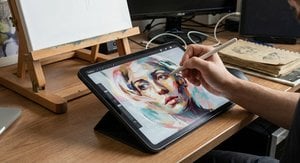
Porta’s exploration didn't remain confined to traditional mediums. In the 1980s, a fellowship at the Massachusetts Institute of Technology opened new avenues for artistic expression. He became a pioneer in utilizing digital technology within his work, describing himself as a “psychomanual digital artist.” This wasn’t simply about adopting new tools; it was about finding ways to visualize and process complex psychological states. Crucially, this period also saw Porta's commitment to art therapy. He coordinated workshops for patients in public institutions like the Barcelona Museum of Contemporary Art, recognizing the cathartic potential of artistic creation. This led to the development of *TECURA*, a digital painting program designed as an interactive tool for self-expression and emotional exploration. He often stated he was a forerunner in normalizing art therapy practices, making them accessible beyond clinical settings.
From Zush to Evru: A Continuous Evolution
The year 2001 marked another significant shift with the symbolic abandonment of “Zush” and the adoption of “Evru.” This wasn’t an ending but rather a continuation – a refinement of his lifelong project. During a digital performance at MACBarcelona, titled "ZUSH.TECURA", he declared himself *ArtCienMist*—artist, scientist, and mystic—further solidifying his multifaceted approach to creation. Evru continued to develop the universe of Evrugo, deepening its philosophical underpinnings and exploring themes of individual consciousness and autonomy. He saw Evrugo not as an escape from reality but as a parallel space where alternative ways of thinking and being could flourish. He often emphasized that everyone possesses their own “territory,” and his work was about defining and protecting those boundaries, both internal and external.
Legacy and Historical Significance
Alberto Porta/Zush/Evru’s influence extends far beyond the confines of Catalan art. His early embrace of digital technology paved the way for new forms of artistic expression, while his commitment to art therapy challenged traditional notions of mental health and creativity. His work resonates with a profound sense of vulnerability and authenticity, inviting viewers to confront their own inner landscapes. He was a forerunner in questioning the boundaries between reason and madness, presenting art as a cathartic process accessible to all. His retrospective exhibitions at institutions like MNCARS Madrid and the Today Art Museum in Beijing demonstrate his lasting impact on the international art scene. Porta’s legacy lies not only in the striking visual language he created but also in his unwavering dedication to exploring the complexities of human experience, reminding us that the most profound truths often lie beyond the reach of rational explanation. His work continues to inspire artists and thinkers alike, urging them to embrace their own unique visions and challenge the limitations of conventional thought.