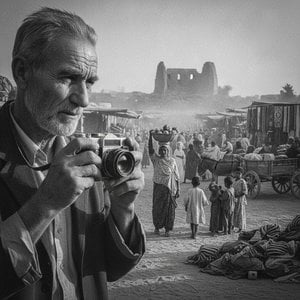
Pionýr fotografického obrazu: Život a odkaz Williama Henryho Foxa Talbota
William Henry Fox Talbot se narodil 11. února 1800 v sídle Melbury House v hrabství Dorset v Anglii a vyvstal jako klíčová postava v začínajícím světě fotografie. Jeho cesta nebyla dedikována pouze uměleckému hledání; byla to spíše fascinující konvergence vědeckého zkoumání, lingvistické zvídavosti a vrozené touhy zachytit pomíjivou krásu přírody. Jako jediný syn Williama Davenporta Talbota a Lady Elisabeth Fox Strangways absolvoval privilegované vzdělání v Rottingdeanu, Harrow School a Trinity College v Cambridge, kde se vyznačil jako dvanáctý wrangler v matematice – což je důkaz jeho analytické mysli. Tento základ vědecké přísnosti se ukázal jako zásadní pro jeho průlomovou práci. Ačkoliv byl zpočátku přitahován jinými obory, jako byla botanika, chemie či dokonce parlamentní služba, právě téměř náhodná frustrace z omezení tehdejších pomůcek pro kreslení ho postavila na cestu k revoluci v tvorbě obrazu.Od fotogenních çizlení k kalotypii: Revoluce v reprodukci
Talbotovy rané experimenty nebyly poháněno touhou vytvářet umění, ale spíše snahou najít přesnější metodu vizuální dokumentace. Nespokojen s náročným a často nepřesným procesem kopírování obrazů pomocí nástrojů jako camera lucida, začal zkoumat možnosti zachycení světlu citlivých stop přímo na papír. Toto zkoumání vedlo k jeho prvnímu průlomovému úspěchu: procesu „fotogenního çizlení“, který byl oznámen v roce 1839. Ten zahrnoval potažení papíru stříbrnou chloridovou, což vytvářelo negativní obraz při vystavení slunečnímu světlu. Přestože tyto rané snímky – často botanické vzorky nebo architektonické detaily – byly surové a postrádaly detail, představovaly monumentální první krok. Nicméně až jeho pozdější vynález kalotypického procesu v roce 1841 skutečně upevnil jeho místo v historii. Na rozdíl od dřívějších metod kalotyp využívala jodid stříbrný a vývojovou látku k vytvoření průsvitného negativu, ze kterého bylo možné vyhotovit mnoho pozitivních tisků – což byla zásadní inovace, která položila základy moderní fotografické reprodukce. Tato schopnost vytvářet násobné expozice výrazně odlišovala Talbotovu práci od Daguerrotypií Louisa Daguerreova, které vytvářely jedinečné, vysoce detailní, ale neoprodukovatelné obrazy. Kalotyp nešlo o dokonalou replikaci; disponoval specifickou estetickou kvalitou – měkkostí a atmosférickou hloubkou, která v mnoha lidech vzbuzovala obdiv.Poutač o přírodě a umělecká vize
Talbot nevynalezl pouze novou technologii; spatřoval v ní potenciál jako v uměleckém médiu. Pochopil, že fotografie může být víc než jen vědeckým nástrojem pro dokumentaci; může být prostředkem tvůrčí výrazu. Toto přesvědčení vyvrcholilo v díle The Pencil of Nature (1844–1846), které je široce považováno za první komerčně vydané kniho ilustrovaná fotografiemi. Každá část obsahovala pečlivě vytvořené solné papírové tiskové reprodukce vyrobené z jeho kalotypických negativů, které prezentovaly scény od záložních studií a botanických detailů až po architektonické pohledy na Oxford, Paříž, Reading a York. Práce byla záměrným pokusem demonstrovat umělecké možnosti fotografie a napadnout konvenční představy o tom, co tvoří umění. Nezáznamoval pouze realitu; interpretoval ji skrze nový objektiv – doslova i v přeneseném slova smyslu. Obrazy v The Pencil of Nature jsou prostupeny tichou důstojností a pocitem nadčasovosti, což odráží Talbotovu vlastní kontemplativní povahu a jeho hlubokou úctu k kráse světa kolem něj.Odkaz a vliv: Budování cesty moderní fotografii
Přínosy Williama Henryho Foxe Talbota sahaly daleko za proces kalotypie a dílo The Pencil of Nature. Byl také průkopníkem fotomechanické reprodukce díky svému procesu fotoglyfického leptání, což byl předchůdce fotogravury – techniky, která umožnila masovou výrobu ilustrovaných materiálů. Jeho práce čelila počátečnímu odporu, částečně kvůli jeho rozhodnutí patentovat kalotypický proces, což omezilo jeho dostupnost a zpomalilo jeho rozšíření v Británii. Přesto se jeho myšlenky nakonec zakořenily a ovlivnily generace fotografů i umělců. Ačkoliv se dožil doby, kdy fotografie ještě plně rozkvétala jako dominantní umělecká forma, jeho zakládající práce poskytla nezbytné stavební kameny pro její rozvoj. Dnes jsou Talbotovy fotografie uloženy v prestižních sbírkách po celém světě, včetně Muzea Folkwang v Essenu v Německu, a slouží jako mocné připomínky jeho vizionářského ducha a trvalého odkazu. Stojí nejen jako vynálezce, ale jako skutečný průkopník, který zásadně změnil náš vztah k obrazům a navždy proměnil způsob, jakým vnímáme a dokumentujeme svět kolem nás. Jeho dílo nadále inspiruje umělce i vědce a dokazuje hluboký dopad, který může mít jednotlivec na průběh historie.Otázky a odpovědi
Kde mohu vidět všechna umělecká díla autora William Henry Fox Talbot?
Veškerá díla umělce William Henry Fox Talbot na tento web lze prohlédnout na jeho stránce Všechna umělecká díla.
Kde najdu díla umělce William Henry Fox Talbot seskupená podle techniky?
Stránka Všechna média seskupuje díla umělce William Henry Fox Talbot podle použité techniky.
V jakém historickém období působil/a William Henry Fox Talbot?
William Henry Fox Talbot působil v období – 19. století. Toto období historicky vymezuje uměleckou činnost tohoto autora.