Valentin Alexandrovič Serov, 1865 – 1911

Valentin Alexandrovič Serov: The 100 Most Famous Paintings

Dívka s broskvemi (1887) is the most famous painting by Valentin Alexandrovič Serov, held by the Tretyakovská galerie in Moskva. Portrait of Anton Chekhov (1903) and Portrait of Henrietta Girshman (1907) are the next two works the world knows best. From the 289 works of Valentin Alexandrovič Serov in our catalogue, here are the 100 that collectors and museum visitors look at most, with the year, the museum and the story of each.

Seřazeno podle našeho skóre popularity, které kombinuje počet vyhledávání, návštěv a objednávek u každého díla. Aktualizováno říjen 2026. Every masterpiece on this page can be ordered as a museum-quality, hand-painted oil reproduction or a fine art print, at the size you choose.

Portrét Valentin Alexandrovič Serov
Valentin Alexandrovič Serov · 1865 – 1911
Narozen · zemřel
1865 – 1911, Petrohrad
Směr
Realism
Díla v našem katalogu
289
Nejslavnější
Dívka s broskvemi (1887)
Nejvíce děl v
Národní galerie Arménie

Top 10: Valentin Alexandrovič Serov's best-known paintings

Dívka s broskvemi (1887) od Valentin Alexandrovič Serov
1

Dívka s broskvemi

1887 · Olej na plátně · Tretyakovská galerie, Moskva

V tichém světle roku 1887 zachytil Valentin Serov v obraze Dívka s broskvemi prchavý okamžik dětství. Scéna se soustředí na jedenáctletou Veru Mamontovou, mladou dívku, jejíž přítomnost naplňuje prostor pocitem klidu. Sedí u stolu s neochvějným a rozvážným pohledem, zatímco se odpolední slunce proplétá místností. Tento portrét je víc než jen pouhým podobenstvím; je to okno do konkrétního, soukromého odpoledne stráveného v areálu Abramtsevo.

Portrait of Anton Chekhov (1903) od Valentin Alexandrovič Serov
2

Portrait of Anton Chekhov

1903 · Oil On Canvas

is a work by the Russian artist Valentin Serov. Executed in 1903, the painting presents a focused study of the subject, a man characterized by a prominent beard. The portrait captures a sense of quiet observation, presenting the sitter in a manner that suggests introspection or weariness.

Portrait of Henrietta Girshman (1907) od Valentin Alexandrovič Serov
3

Portrait of Henrietta Girshman

1907 · Oil On Canvas

Valentin Serov’s “Portrait of Henrietta Girshman,” painted in 1907, is more than just a likeness; it's a carefully constructed tableau that invites the viewer to step into a private moment. Executed with a masterful blend of realism and impressionistic techniques, the painting captures the quiet intimacy of a woman preparing herself – perhaps for an evening out, or simply lost in contemplation – within the luxurious confines of her dressing…

Winter in Abramtsevo (1886) od Valentin Alexandrovič Serov
4

Winter in Abramtsevo

1886 · Oil On Canvas

We are looking at Winter in Abramtsevo, a landscape painting by Valentin Serov. Created in 1886, this work captures a quiet moment within the Russian countryside. The original title of the piece is Зима в Абрамцево. It remains a significant example of Serov's early engagement with the natural world and the specific atmosphere of the Abramtsevo area.

Portrait of Pavel Tretyakov (1899) od Valentin Alexandrovič Serov
8

Portrait of Pavel Tretyakov

1899 · Watercolor · Tretyakovská galerie, Moskva

Valentin Alexandrovich Serov presents Portrait of Pavel Tretyakov through a vertical composition that focuses on the subject from the waist up. Positioned slightly off-center, the middle-aged man is depicted with his arms crossed, a stance that establishes a sense of introspective stillness. The subject is set against a non-descript, washed background, which creates a shallow depth and pushes the figure toward the foreground.

The rest of the Valentin Alexandrovič Serov ranking, 11 to 100

A Breton woman. (1901) od Valentin Alexandrovič Serov
#23

A Breton woman.

1901 · Národní muzeum ve Varšavě

is an oil on canvas painting by the Russian artist Valentin Serov. Created in 1901, the work captures a solitary woman in a moment of quietude. The subject…

Order a reproduction →
The Grand Eagle Cup (1910) od Valentin Alexandrovič Serov
#76

The Grand Eagle Cup

1910 · Národní galerie Arménie

To stand before Valentin Alexandrovich Serov’s The Grand Eagle Cup is to step through a veil and into a moment suspended in time—a quiet tableau vivant imbued with…

Commission a hand-painted copy →
Portrait of Maria Akimova (1908) od Valentin Alexandrovič Serov
#77

Portrait of Maria Akimova

1908 · Národní galerie Arménie

In the Portrait of Maria Akimova, created in 1908, we are invited into a private, almost whispered moment of repose. The painting presents a captivating study of a…

Order a reproduction →

The subjects Valentin Alexandrovič Serov painted most

The four subjects that return most often among these masterpieces, with the finest example of each.

Where to see Valentin Alexandrovič Serov's paintings

6 muzea, v nichž je umístěno nejvíce obrazů z této stránky.

Muzea Město Díla autora Valentin Alexandrovič Serov Obrazy z tohoto seznamu
Národní galerie Arménie, JerevanNárodní galerie Arménie Jerevan 3 Wife of Kostroma manifacture's director, The Grand Eagle Cup, Portrait of Maria Akimova
Tretyakovská galerie, MoskvaTretyakovská galerie Moskva 11 Dívka s broskvemi, Portrait of Pavel Tretyakov
Národní muzeum ve Varšavě, VaršavaNárodní muzeum ve Varšavě Varšava 4 Portrait of a woman, A Breton woman.
National Art Museum of The Republic of Belarus, MinskNational Art Museum of The Republic of Belarus Minsk 1 Portrait of O. F. Tomara
Kiev National Picture Gallery, KyivKiev National Picture Gallery Kyiv 1 Elizaveta Alexeevna Krasilshikova
Finnish National Gallery, HelsinkiFinnish National Gallery Helsinki 1 Still Life

Valentin Alexandrovič Serov through the decades: one masterpiece for each

  1. 1870s
    Still Life (1879) od Valentin Alexandrovič Serov
    Rank 78 / 100

    Still Life

    Věk 5 – 14 · Finnish National Gallery
  2. 1880s
    Dívka s broskvemi (1887) od Valentin Alexandrovič Serov
    #1 of 100

    Dívka s broskvemi

    Věk 15 – 24 · Tretyakovská galerie

    V tichém světle roku 1887 zachytil Valentin Serov v obraze Dívka s broskvemi prchavý okamžik dětství. Scéna se soustředí na jedenáctletou Veru Mamontovou, mladou dívku, jejíž přítomnost naplňuje…

  3. 1890s
    Portrait of Pavel Tretyakov (1899) od Valentin Alexandrovič Serov
    #8 of 100

    Portrait of Pavel Tretyakov

    Věk 25 – 34 · Tretyakovská galerie

    Valentin Alexandrovich Serov presents Portrait of Pavel Tretyakov through a vertical composition that focuses on the subject from the waist up. Positioned slightly off-center, the middle-aged man is…

  4. 1900s
    Portrait of Anton Chekhov (1903) od Valentin Alexandrovič Serov
    No. 2 of 100

    Portrait of Anton Chekhov

    Věk 35 – 44

    is a work by the Russian artist Valentin Serov. Executed in 1903, the painting presents a focused study of the subject, a man characterized by a prominent beard.…

  5. 1910s

Valentin Alexandrovič Serov's paintings: frequently asked questions

What is the most famous Valentin Alexandrovič Serov painting?Show the answer

Dívka s broskvemi (1887), Tretyakovská galerie, Moskva. Next come Portrait of Anton Chekhov (1903) and Portrait of Henrietta Girshman (1907).

At what age did Valentin Alexandrovič Serov paint Dívka s broskvemi?Show the answer

22 years old: Dívka s broskvemi dates from 1887 and Valentin Alexandrovič Serov was born in 1865.

Which are the 10 most famous Valentin Alexandrovič Serov paintings?Show the answer

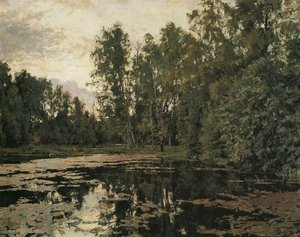
Dívka s broskvemi, Portrait of Anton Chekhov, Portrait of Henrietta Girshman, Winter in Abramtsevo, George the Victorious, Autumn evening. Domotkanovo, Bathing a Horse, Portrait of Pavel Tretyakov, Self-Portrait a Portrait of the Artist Pavel Tchistyakov. The ranking above gives the year and the museum of each.

How many paintings by Valentin Alexandrovič Serov are there?Show the answer

Our catalogue lists 289 works by Valentin Alexandrovič Serov, dated from 1879 to 1911.

Where can I see the most famous Valentin Alexandrovič Serov paintings?Show the answer

Most of them are in Národní galerie Arménie (Jerevan), Tretyakovská galerie (Moskva) a Národní muzeum ve Varšavě (Varšava). The table above lists the museums one by one.

In which period did Valentin Alexandrovič Serov paint the best-known works?Show the answer

In 1900s: 35 of the 100 works on this page date from then, among them Portrait of Anton Chekhov.

What is the earliest famous Valentin Alexandrovič Serov painting, and the latest?Show the answer

The earliest on this page is Still Life (1879), the latest Portrait of N.P. Lamanova (1911).

What subjects did Valentin Alexandrovič Serov paint?Show the answer

Famous people (50), Portraits (49) a Men (24), among the 100 works on this page.

What did Valentin Alexandrovič Serov paint on, and with what?Show the answer

Oil On Canvas: 5 of the 100 works on this page.

Which movement does Valentin Alexandrovič Serov's art belong to?Show the answer

Realism a Impressionism, as the paintings on this page show.

What Valentin Alexandrovič Serov paintings does the Národní galerie Arménie hold?Show the answer

Wife of Kostroma manifacture's director, The Grand Eagle Cup a Portrait of Maria Akimova are among the 3 works on this page held by the Národní galerie Arménie, Jerevan.

Where can I buy a Valentin Alexandrovič Serov reproduction?Show the answer

Yes. Every painting on this page can be ordered as a museum-quality, hand-painted oil reproduction or a fine art print, in the size you choose, from the painting's own page.

Valentin Alexandrovič Serov: biography

Úvod: Narodení do Umělecké Rodiny

Valentin Alexandrovich Serov se narodil 19. ledna 1865 v Petrohradě, v srdci Ruska, do rodiny, která byla sama o sobě symbolem uměleckého dědictví. Jeho otcem byl Alexander Serov, uznávaný hudební skladatel a kritik, a matkou Valentína Valentina Bergmanová, talentovaná hudebnice s kořeny v Německu a Anglii. Už od útlého věku byl Valentin obklopen krásou a inspirací – jeho dům byl plný hudby, uměleckých děl a intelektuální diskusí. Tato prostředí ne jen formovala jeho zájem o umění, ale také ho naučila cení si harmonie, proporce a hluboké emocionální vyjádření – vlastnosti, které se později staly základem jeho uměleckého stylu. Od dětství byl podpořen v jeho snaze rozvíjet své talenty, začal studovat v Paříži a Moskvě pod vedením Illy Repina, mistra realistického malířství. Tato raná zkušenost s Repinem mu poskytla pevný základ – důraz na pečlivé pozorování, detailní techniku a schopnost zachytit podstatu lidské povahy. Později jeho studium v Petrohradské akademii umění s Pavlem Chistyakovem dále rozvíjelo jeho technické dovednosti, upevňující ho v klasických principech, ale zároveň podporujíc jeho rostoucí individualitu. Rodinné zázemí Valentina nebylo jen umělecké; bylo také hluboce zakořeněné v ruském elitu, poskytujíc mu přístup k světu, který později dokázal věrně zachytit na plátnech.

Raná Umělecká Rozvoj: Pastelové Vzpomínky a Světlo Dětí

Serovova raná tvorba je charakteristická mimořádnou citlivostí k světlu a atmosféře, což se projevuje v dílech jako *Dívka s broskví* (1887) a *Dívka pokrytá sluncem* (1888). Tyto malby, nyní ikonické poklady Tretyakovské galerie, nebyly jen portréty; byly studiemi krátkých okamžiků, zachycujícími éterickou krásu dětství. Volné štětec a bohatá barevná paleta naznačovaly impresionistický směr, ale zůstávaly pevně zakotvené v realistické tradici. Serov se nesnažil jen zobrazit podobnosti, ale vyjadřovat pocit spontánnosti a vnitřního života. Tato schopnost zachycovat psychologickou hloubku stala se charakteristickým rysem jeho stylu. Vlivy z evropských muzeí, zejména Rembrandtova, Velazqueze a Veronese, ovlivnily jeho rané umělecké myšlení. Serovův talent byl podporován jeho rodiči, kteří mu poskytli ideální prostředí pro rozvoj jeho schopností.

Portrétista s Hlubokým Vnímáním: Zlatá Éra a Elitní Portréty

V průběhu 90. let 19. století se Serov stal uznávaným portrétistou, který dokázal zachytit nejen fyzické podobnosti svých modelů, ale i jejich osobnost a charakter. Jeho díla z této doby, jako *Portrét Tatyany Mamontovy* (1887) a *Portrét S.M. Botkina* (1890), jsou svědectví o jeho schopnosti proniknout do nitra člověka a vyjádřit jeho vnitřní svět. Serov se stal členem skupiny peredvizhniki, což mu umožnilo pracovat s dalšími významnými ruskými umělci a rozšiřovat své obzory. Jeho portréty často zobrazují aristokracii, včetně Grand Duke Pavla Alexandroviče, S.M. Botkina a Felixa Yusupova, čímž odrážejí bohatství a složitost ruského společnosti té doby. Serov se naučil zachycovat nejen vnější podobnost, ale i charakter a osobnost svých modelů.

Od Realismu k Moderně: Experimenty a Nové Vnímání

V posledních letech svého života začal Serov experimentovat s novými styly a technikami, inspirovaný uměním *Mir Iskusstva* (Svět Umění), což byla skupina, která se snažila omezit vliv tradičních akademických pravidel. Jeho díla z tohoto období, jako *Portrét Maxim Gorkiho* (1904), ukazují jeho snahu o inovaci a nový přístup k portrétu. Serov se stal členem této skupiny, což mu umožnilo objevovat nové trendy a rozšiřovat své obzory. Jeho práce z tohoto období odráží jeho snahu o zachycení moderního světa a jeho vnímání lidské povahy.

Dědictví a Důsledky

Úmrtí Valentina Serova 5. prosince 1911, ve věku 46 let, ukončilo brilantní kariéru umělce, ale jeho odkaz žije dál jako jeden z nejvýznamnějších ruských portrétistů. Jeho díla nejen zachycují podobnosti svých současníků, ale také nabízejí hluboké vhledy do ruského života a kultury v kritickém období historie. Jeho schopnost kombinovat technickou zdatnost s psychologickou hloubkou ho odlišovala od jeho vrstevníků, a jeho obrazy nadále fascinují diváky po celém světě.
  • Přinesl spojení mezi realismusem a modernitou.
  • Jeho portréty nabízejí cenné pohledy na životy ruské elity.
  • Jeho vliv lze sledovat v dílech pozdějších generací ruských umělců.

Všechna díla od Valentin Alexandrovič Serov: 289 →