
Gothic umělci, ranked

The 34 Most Famous Gothic Umělci

The most famous Gothic umělec is Duccio Di Buoninsegna (1255–1319), known for Maestá a Madonna z Rucellai. Next come Simone Martini, Gentile Da Fabriano, Pisanello a Stefan Lochner. This ranking of the 34 most famous Gothic umělci runs from Master Mateo (born 1161) to Jan Baegert (born 1465), across 8 countries.

How this list is ranked. Artists whose works our catalogue files under Gothic, in the order of our fame ranking of artists. Artists without a Wikidata identifier born after 1955 are left out until verified. The Wikipedia figure next to each name is the number of our 32 languages in which Wikipedia has an article on the artist.

  1. Maestá od Duccio Di Buoninsegna1Duccio Di Buoninsegna
  2. Maestà (Madonna with Angels and Saints) od Simone Martini2Simone Martini
  3. A Seated Scribe od Gentile Da Fabriano3Gentile Da Fabriano

The essentials

Gothic at a glance

  • 34Umělci
  • 1161–1465Roky narození
  • 8Země narození
  • 0Ženy
  • 1 535Díla v našem katalogu
Města s nejvyšším počtem narozených
Florencie (5), Siena (3), Nijmegen (2), Fabriano (1)
Muzea s největším počtem klíčových děl
Metropolitan Museum of Art (5), Galleria degli Uffizi (3), National Gallery (3), Museo dell'Opera del Duomo (2)

Ranked, with their masterpieces

The ranking: 34 Gothic Umělci and their key works

1of 34

Duccio Di Buoninsegna

Italská Born in Siena Sienská škola, Trecento gotika Wikipedia in 31/32 languages
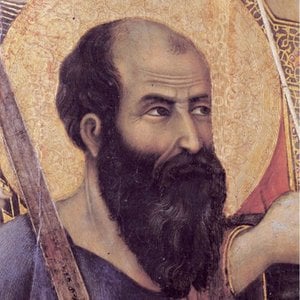
Duccio Di Buoninsegna

The Virgin and Child with Saints Dominic and Aurea (1312). Narodili se v italské Sieře kolem roku 1255 nebo 1256, Duccio Di Buoninsegna vyrostl v rodině, která zásadně ovlivnila jeho samotnou identitu. Ve Florencii si společnost Compagnia dei Laudesi di Maria Vergine nechal nechat vytvořit Rucellai Madonna pro kapli ve svém kostele.

Key works · The 100 most famous works · Duccio Di Buoninsegna reprodukcí

2of 34

Simone Martini

Italská Born in Siena Mezinárodní gotika Wikipedia in 28/32 languages

Simone Martini

Saint Louis of Toulouse Crowning His Brother Robert of Anjou, 1317. V roce 1333 namaloval Zvěstování svaté Markrétě a svatému Ansanovi, dílo, které je v současnosti uloženo v Galleria degli Uffizi ve Florencii. V roce 1342 dokončil Christ Discovered in the Temple, obraz, který lze dnes spatřit v Walker Art Gallery v Liverpoolu.

Teacher of Lippo Memmi #9

Key works · The 100 most famous works · Simone Martini reprodukcí

3of 34

Gentile Da Fabriano

Italiano Born in Fabriano Internazionale Gotica Wikipedia in 23/32 languages

Gentile Da Fabriano

Narodil se kolem roku 1370 v malebném městečku Fabriální, nestled v oblasti Marche, přičemž jeho raný život zůstává částečně zahalen tajemstvím. Víme, že jeho matka zemřela před rokem 1380 a že jeho otec, Niccolò di Giovanni Massi, se do roku 1385 uchýlil k klidu v klášterní zemi – události, které pravděpodobně formovaly dospívajícího Gentila.

Key works · The 100 most famous works · Gentile Da Fabriano reprodukcí

4of 34

Pisanello

Itálie Born in Pisa Internacionální gotika / Raná renesance Wikipedia in 28/32 languages

Pisanello

Narodil se jako Antonio di Puccio Pisano v Pise kolem roku 1395 a Pisanello se vyvinul jako klíčová postava v přechodu od stylu mezinárodní gotiky k rozkvétající renesanci. Kolem let 1415–1420 začal zásadný výcvik u Gentile da Fabriana, který upevnil Pisanellovu uměleckou dráhu. Jeho Svatý Jiří a princezna z Trapezuntu, freska zdobící kapli Pellegrini v veronské kostele Sant'Anastasia, je široce považována za jeho mistrovské dílo.

Key works · The 100 most famous works · Pisanello reprodukcí

5of 34

Stefan Lochner

Němec Born in Meersburg Pozdní gotika, mezinárodní gotika Wikipedia in 19/32 languages

Stefan Lochner

Narozen kolem roku 1410 v malebném německém městečku Meersburg – místě protkaném legendami, které se rozprostírá u nádherného Bodenského jezera – byl život Stephana Lochnera v Kolíně nad Rýnem kolem roku 1451 tragicky ukončen.

Key works · The 100 most famous works · Stefan Lochner reprodukcí

6of 34

Agnolo Gaddi

Italiane Born in Florencie Gothic, Raná Renesance Wikipedia in 20/32 languages

Agnolo Gaddi

The monumental figures rendered with palpable humanity—a hallmark of Giotto’s style—found their reflection in Gaddi’s earliest works, demonstrating his instinctive grasp of the revolutionary aesthetic championed by Giotto. The Gothic tradition – characterized by dramatic lighting effects, richly textured fabrics, and an overarching preoccupation with opulent beauty – permeated Gaddi’s artistic sensibility, shaping the visual vocabulary of his early paintings.

Key works · The 100 most famous works · Agnolo Gaddi reprodukcí

7of 34

Bratři z Limburka

Nizozemští Born in Nijmegen Mezinárodní gotika Wikipedia in 21/32 languages

Bratři z Limburka

Herman, Paul a Jean de Limbourg, známí společně jako Limburgští bratři, nebyli pouhými malíři, ale spíše architekty miniaturních světů. Narodili se do linie zdatných řemeslníků a jejich raný život formovaly živé uměcí proudy tekoucí mezi Nizozemím, Francií a Burgundskem. Přestože jejich životy byly tragicky krátké – všichni tři zemřeli kolem roku 1416 – dopad jejich díla zůstává věčným pilířem stylu mezinárodní gotiky.

Key works · The 100 most famous works · Bratři z Limburka reprodukcí

8of 34

Paolo Veneziano

Italská Born in Benátky Byzantský vliv a gotická umění Wikipedia in 15/32 languages

Paolo Veneziano

Paolo Veneziano (cca 1333–1358) představuje monumentální postavu v dějinách benátského umění, uznávanou univerzálně jako nejvýznamnější benátský malíř čtrnáctého století. Narodil se do umělecké linie přímo ve Venedici – jeho otec byl z Když uznávaným umělcem – a Venezianova krátká, lecz brilantní kariéra se střetla s transformativním obdobím evropského malířství.

Key works · The 100 most famous works · Paolo Veneziano reprodukcí

9of 34

Lippo Memmi

Italský Born in Siena International Gothic Wikipedia in 17/32 languages

Lippo Memmi

Lippo Memmi, narozený kolem roku 1291 v srdci Sieny, je klíčovou postavou přechodu od byzantsky zakořeněných tradic středověkého malířství k rozvíjející se eleganci mezinárodního gotického stylu. Často diskutován ve vztahu ke svému slavnému švagru a mentorovi Simonovi Martinimu, současný výzkum stále více uznává Memmiho osobitý umělecký hlas a významný přínos 14. století sienskému umění. Ansanem (1333), vytvořené ve spolupráci se Simonem Martinim pro galerii Uffizi.

Pupil of Simone Martini #2

Key works · The 100 most famous works · Lippo Memmi reprodukcí

10of 34

Spinello Aretino

Italská Born in Arezzo Spojovnice mezi Giottovým stylem a sienskou školou Wikipedia in 16/32 languages

Spinello Aretino

Narodil se v rodině florentinských zlatníků a jeho pravé jméno bylo Spinello Di Luca Spinelli, ale historii přešlo známé přezdívka „Aretino“, což odkazuje na jeho pouto k městu Arezzo. V raných letech pracoval v rušných florentských dílnách, kde přispíval k monumentálním dílům, jako jsou fresky v kostele Carmine a Santa Maria Novella.

Key works · The 100 most famous works · Spinello Aretino reprodukcí

11of 34

Bernardo Daddi

Italská Born in Florencie Raná renesance Wikipedia in 17/32 languages

Bernardo Daddi

Bernardo Daddi, narozený ve Florencii kolem roku 1290 a zesnulý v roce 1348, představuje klíčovou postavu přechodu od pozdní gotiky k začínající italské renesanci. Přesné datum Daddiho narození zůstává zahaleno tajemstvím, i když záznamy naznačují, že byl poprvé zmíněn v roce 1312. Široce se věří, že jeho umělecká cesta začala pod vedením Giotta di Bondone, jednoho z nejvlivnějších umělců té doby.

Key works · The 100 most famous works · Bernardo Daddi reprodukcí

12of 34

Andrea Pisano

Italská Born in Pontecorvo Gotika

Andrea Pisano

Andrea Pisano (cca 1290 – 1348 Orvieto) představuje monumentální postavu italské renesanční sochařské tvorby, přestože jeho umělecké dědictví je neoddělitelně spjato s předcházející gotickou érou a hluboce ovlivněno revoluční silou Giotta di Bondone. Narodil se v Pontecorvo v regionu Lazio a jeho raný život zůstává částečně zahalen tajemstvím, avšak svou dovednost si nejdříve zdokonaloval jako zlatník, než se kolem roku 1300 zcela zasvětil sochařství pod vedením Mino di Giovanni.

Key works · The 100 most famous works · Andrea Pisano reprodukcí

13of 34

Master Mateo

Spanish Romanesque Sculpture

Master Mateo

His mastery of limestone carving was unparalleled, particularly through his use of a technique known as trabajo vivo. This method involved layering stone slabs to create textured surfaces that mimicked the appearance of flesh and fabric, lending a sense of movement and vitality to the static medium.

Key works · The 100 most famous works · Master Mateo reprodukcí

14of 34

Jean Malouel

Netherlandish (Dutch) Born in Nijmegen International Gothic Wikipedia in 16/32 languages

Jean Malouel

This circular composition, with its depiction of the Virgin Mary cradling the body of Christ, blends Northern European and Sienese artistic influences into a harmonious whole. The Portrait of Philip the Bold, while only surviving in later copies, was highly esteemed during its time and served as a model for subsequent depictions of the Duke. He played a crucial role in introducing the Limbourg brothers – Herman, Paul, and Johan – to Philip the Bold's service around 1400.

Key works · The 100 most famous works · Jean Malouel reprodukcí

15of 34

Tilman Riemenschneider

Němec Born in Heiligenstadt Pozdní gotika a renesance

Tilman Riemenschneider

Riemenschneider’s approach to sculpture was revolutionary, pushing beyond the conventions of late Gothic art while retaining its core spiritual values. He frequently abandoned traditional polychromy—the practice of painting sculptures—allowing the natural beauty of the wood itself to shine through, emphasizing texture, grain, and the inherent warmth of the material. The meticulous detail, expressive line work, and psychological insight evident in Schongauer’s art clearly permeated Riemenschneider's early style – particularly noticeable in his earliest known gravestone for Eberhard von Grumbach around 1485.

Key works · The 100 most famous works · Tilman Riemenschneider reprodukcí

16of 34

Mistr Francke

Nizozemský Born in Niederrhein Gotická renesance Wikipedia in 14/32 languages

Mistr Francke

Johannes Francke, známý jako Frater Francke, představuje klíčovou postavu v rozkvétající umělecké krajině patnáctého století v Německu – konkrétně v rámci živé gotické tradice Hamburku. Raný život a vzdělání: Přesné informace o Franckových formativních letech jsou vzácné.

Key works · The 100 most famous works · Mistr Francke reprodukcí

17of 34

Klaus Sluter

Nizozemec Born in Haarlem Severní realismus

Klaus Sluter

Claus Sluter (cca 1350–1406) stojí jako jeden z nejvlivnějších sochařů své éry, který definoval klíčové zvratné místo mezi gotickými a renesančními uměleckými tradicemi v severní Evropě. Služba Filipovi Odvážnému: Sluterovy formativní roky vyvrcholily zásadným učednictvím u Jeana de Marville, dvorského sochaře Filipa Odvážného, vévody burgundského. Mezi lety 1385 až 1389 si zdokonaloval své schopnosti uprostřed opulentních dvorů v Dijonu, přičemž absorboval vlivy jak gotického formalismu, tak rodících se ideálů renesance.

Key works · The 100 most famous works · Klaus Sluter reprodukcí

18of 34

Jacopo di Cione

Italian Born in Florence Gothic Wikipedia in 7/32 languages

Jacopo di Cione

His commitment to procuring marble for the cathedral underscored his understanding of artistic grandeur and civic responsibility. Furthermore, he continued to secure patronage from influential families like the Albizzi, ensuring that Florentine art would endure as a symbol of prestige and cultural achievement. The dispersed predella depicting scenes from Saint Peter’s life – a collaborative effort with Niccolò di Pietro Gerini – remains a poignant reminder of Jacopo's artistic legacy and the enduring power of Florentine Gothic art.

Key works · The 100 most famous works · Jacopo di Cione reprodukcí

19of 34

Jaume Huguet

Catalan Born in Valls Late Gothic, Flemish influence Wikipedia in 10/32 languages

Jaume Huguet

His workshop became a cornerstone of Catalan production, with works like the Saint Augustine Altarpiece involving collaborations with skilled artists such as Pau Vergós to meet the immense demands of religious guilds and monasteries.

Key works · The 100 most famous works · Jaume Huguet reprodukcí

20of 34

Lucas Moser

German Born in Weil der Stadt Late Gothic Art Wikipedia in 10/32 languages

Lucas Moser

Commissioned for the parish church in Tiefenbronn, the altarpiece depicts scenes from the life of Mary Magdalene with a striking departure from the prevailing aesthetic norms. The altarpiece isn't just a religious narrative; it is a testament to Moser’s keen observation of human anatomy, light, and shadow. However, scholars generally agree that he was exposed to both the late Gothic traditions prevalent in Southern Germany and the emerging artistic trends emanating from Flanders.

Key works · The 100 most famous works · Lucas Moser reprodukcí

21of 34

Master Bertram

German Born in Minden International Gothic Wikipedia in 13/32 languages

Master Bertram

It is believed that Bertram was influenced by both French and Netherlandish artistic trends prevalent during his time. Despite these influences, Bertram maintained a uniquely Northern German sensibility, imbuing his work with a sense of regional identity. While sharing similarities with other artists of the period, such as Master Francke (another prominent Hamburg painter), Bertram's work possesses a distinct character—a subtle restraint in emotional expression compared to Francke’s more overtly dramatic approach.

Key works · The 100 most famous works · Master Bertram reprodukcí

22of 34

Pere Serra

Spanish Gothic-Italian

Pere Serra

Born around 1357 and passing away in 1406, his life coincided with a period of significant artistic and cultural change across Europe, yet he maintained a distinctly Catalan sensibility throughout his career. The city was a vibrant hub for trade and artistic exchange, exposed to influences from Italy, France, and Flanders.

Key works · The 100 most famous works · Pere Serra reprodukcí

23of 34

Paolo Di Giovanni Fei

Italský Born in San Quirico d'Orcia Naturalismus, Proto-renesaní Wikipedia in 10/32 languages

Paolo Di Giovanni Fei

Jeho život, i když tragicky krátký, byl svědicky dramatické změny uměleckých citlivostí v Sieně, pohánované především jeho spoluprací s mladším bratrancem Ambrogiem Lorenzettim a jejich zapojením do inovativních technik Giotta a Giovanniego Pisana. Lorenzettiova raná kariéra je zčást mocná tajemství, ale důkazy naznačují, že strávil formující roky prací vedle Simone Martiniho v Assisi. Klíčové bylo jeho období ve Florencii během let 1320. a 1330.

Key works · The 100 most famous works · Paolo Di Giovanni Fei reprodukcí

25of 34

Lluís Borrassà

Catalan Born in Girona International Gothic Wikipedia in 8/32 languages

Lluís Borrassà

By successfully introducing and refining the International Gothic style in the Principality, he provided a bridge between the medieval past and the approaching Renaissance.

Key works · The 100 most famous works · Lluís Borrassà reprodukcí

26of 34

Michele Giambono

Italian Born in Venice International Gothic Wikipedia in 10/32 languages

Michele Giambono

While the broader Renaissance would eventually move toward the anatomical realism and linear perspective of masters like Bellini, Giambono’s dedication to the International Gothic aesthetic provided the essential foundation of splendor upon which later Venetian art was built.

Key works · The 100 most famous works · Michele Giambono reprodukcí

27of 34

Giovanni dal Ponte

Italský Born in Florencie Pozdní gotika/Raná renesance Wikipedia in 7/32 languages

Giovanni dal Ponte

Dal Ponte’s artistic reputation was initially forged through the creation of exquisitely decorated marriage chests – cassoni or forzieri – objects central to Florentine wedding rituals and indicative of a family's wealth and status. His foundations lay firmly within the decorative traditions of the International Gothic style, evident in his use of rich colors, elaborate ornamentation, and elongated figures.

Key works · The 100 most famous works · Giovanni dal Ponte reprodukcí

28of 34

Dětřich Pražský

Česká Born in Itálie Gotika Wikipedia in 16/32 languages

Dětřich Pražský

Pravděpodobně po své cestě z Porýní do severní Itálie během 50. let 14. století si s sebou přinesl víc než jen nové myšlenky; přinesl si zcela specifický způsob vidění světa. Jeho tabule často vykazují zvláštní sienský charakter, ačkoliv se vyhýbá extrémní jemnosti, kterou najdeme v dílech ze Sieny.

Key works · The 100 most famous works

29of 34

Niccolò Di Pietro Gerini

Italská Born in Florencie Pozdní gotika Wikipedia in 6/32 languages

Niccolò Di Pietro Gerini

Narodil se kolem roku 1368 ve Florenci a zemřel přibližně v roce 1415; Geriniho kariéra se odehrávala na pozadí uměleckého fermentu, kde tanec tradice a experimentu hledal svou křehkou rovnováhu. Jeho otec, Pietro Geri, byl sám členem Cechu svatého Lukáše, což naznačuje výchovu hluboce zasazenou do umělecké praxe – rodinné dědictví, které pokračovalo i u Niccolova syna Binda, jenž se rovněž stal malířem.

Key works · The 100 most famous works · Niccolò Di Pietro Gerini reprodukcí

30of 34

Pacino Di Bonaguida

Taliansky Born in Florencie Gotická umjetnosť Wikipedia in 4/32 languages

Pacino Di Bonaguida

Pacinův život, jehož hlavní činnost se odehrávala ve Florencii přibližně mezi lety 1303 a 1347, zůstává zahalen tajemstvím – což byl společný osud mnoha umělců jeho éry. V historických záznamech se poprvé objevuje v roce 1303 při ukončení partnerství s Tambem di Serragliem, přičemž byl tehdy označen jako „publicus artifex in arte pictorum“ – veřejný umělec v umění malování.

Key works · The 100 most famous works · Pacino Di Bonaguida reprodukcí

31of 34

Master Of The Life Of The Virgin

German Late Gothic Wikipedia in 11/32 languages

Master Of The Life Of The Virgin

The Master’s style is a compelling synthesis of Northern European Gothic and Early Renaissance influences. However, the Master’s work transcends mere imitation; he infused these borrowed elements with his own unique sensibility, creating paintings that are both technically proficient and emotionally resonant. The influence of Netherlandish masters is readily apparent in his draftsmanship and compositional structure.

Key works · The 100 most famous works

32of 34

Jan Baegert

Born in Wesel Late Gothic Wikipedia in 3/32 languages

Jan Baegert

Jan Baegert emerged from the established artistic traditions of Wesel, Germany, where he was born in 1465. He received his formal training under his father, Derick Baegert, a painter who provided the essential technical groundwork for Jan's later career.

Where to see Tracing the physical remains of Jan Baegert’s output requires looking toward the Westphalian and Lower Rhine regions.

Key works · The 100 most famous works · Jan Baegert reprodukcí

33of 34

Master Of The Osservanza

Italian Late Gothic Wikipedia in 8/32 languages

Master Of The Osservanza

The Osservanza cycle emerged around 1430-1450, a period marked by significant stylistic shifts in Siena. Influenced by the vibrant Sienese school —particularly the work of Duccio di Buoninsegna and Simone Martini —the Master nevertheless developed a distinct visual language characterized by a heightened sense of drama, emotional intensity, and an innovative use of color. His innovative use of color, dramatic composition, and psychological realism paved the way for the development of Renaissance art in Siena.

Key works · The 100 most famous works

34of 34

Master of Heiligenkreuz Abbey

Austrian International Gothic Wikipedia in 5/32 languages

Master of Heiligenkreuz Abbey

The Master’s style is a complex synthesis of influences. He drew heavily from the Gothic tradition, evident in his meticulous attention to detail, particularly in the rendering of drapery and architectural elements.

Key works · The 100 most famous works

The paintings behind the names

Famous Gothic works and the artists who made them

  1. Maestá od Duccio Di Buoninsegna

    Maestá

    Duccio Di Buoninsegna

    1308 · Museo dell'Opera del Duomo, Siena

  2. Maestà (Madonna with Angels and Saints) od Simone Martini

    Maestà (Madonna with Angels and Saints)

    Simone Martini

    1315 · Palazzo Pubblico, Siena

  3. A Seated Scribe od Gentile Da Fabriano

    A Seated Scribe

    Gentile Da Fabriano

    1480 · Isabella Stewart Gardner Museum, Boston

  4. Sigismondo Pandolfo Malatesta, Lord of Rimini od Pisanello

    Sigismondo Pandolfo Malatesta, Lord of Rimini

    Pisanello

    1445 · Calouste Gulbenkian Foundation, Lisabon

  5. Madonna of the Rose Bush od Stefan Lochner

    Madonna of the Rose Bush

    Stefan Lochner

    1440 · Wallraf-Richartz-Museum, Köln

  6. The Last Supper od Agnolo Gaddi

    The Last Supper

    Agnolo Gaddi

    1395 · Lindenau-Museum, Altengau

  7. Les très riches heures du Duc de Berry: Avril (April) od Bratři z Limburka

    Les très riches heures du Duc de Berry: Avril (April)

    Bratři z Limburka

    1412 · Musée Condé, Chantilly

  8. Rediscovery of the Relics of St Mark od Paolo Veneziano

    Rediscovery of the Relics of St Mark

    Paolo Veneziano

    1345 · Bazilika svatého Marka, Benátky

Through time

A Gothic timeline in masterpieces

  1. 1308
  2. 1315
  3. 1320
  4. 1334
  5. 1334
  6. 1340
  7. 1383
  8. 1390
  9. 1394
  10. 1395
  11. 1395
  12. 1395
  13. 1410
  14. 1412

In figures

By the numbers

All of them, in order

List of the 34 famous Gothic umělci

  1. 1Duccio Di BuoninsegnaDuccio Di BuoninsegnaItalská · 1255–1319
  2. 2Simone MartiniSimone MartiniItalská · 1284–1344
  3. 3Gentile Da FabrianoGentile Da FabrianoItaliano · 1370–1427
  4. 4PisanelloPisanelloItálie · 1395–1455
  5. 5Stefan LochnerStefan LochnerNěmec · 1410–1451
  6. 6Agnolo GaddiAgnolo GaddiItaliane · 1350–1396
  7. 7Bratři z LimburkaBratři z LimburkaNizozemští · 1385–1416
  8. 8Paolo VenezianoPaolo VenezianoItalská · 1333–1358
  9. 9Lippo MemmiLippo MemmiItalský · 1291–1356
  10. 10Spinello AretinoSpinello AretinoItalská · 1350–1410
  11. 11Bernardo DaddiBernardo DaddiItalská · 1290–1348
  12. 12Andrea PisanoAndrea PisanoItalská · 1290–1348
  13. 13Master MateoMaster MateoSpanish · 1161–1217
  14. 14Jean MalouelJean MalouelNetherlandish (Dutch) · 1370–1415
  15. 15Tilman RiemenschneiderTilman RiemenschneiderNěmec · 1460–1531
  16. 16Mistr FranckeMistr FranckeNizozemský · 1380–1435
  17. 17Klaus SluterKlaus SluterNizozemec · 1355–1406
  18. 18Jacopo di CioneJacopo di CioneItalian · 1325–1399
  19. 19Jaume HuguetJaume HuguetCatalan · 1445–1492
  20. 20Lucas MoserLucas MoserGerman · 1390–1443
  21. 21Master BertramMaster BertramGerman · 1345–1415
  22. 22Pere SerraPere SerraSpanish · 1357–1406
  23. 23Paolo Di Giovanni FeiPaolo Di Giovanni FeiItalský · 1345–1411
  24. 24Giovannino De' GrassiGiovannino De' GrassiItalian · 1350–1398
  25. 25Lluís BorrassàLluís BorrassàCatalan · 1360–1425
  26. 26Michele GiambonoMichele GiambonoItalian · 1400–1462
  27. 27Giovanni dal PonteGiovanni dal PonteItalský · 1385–1438
  28. 28Dětřich PražskýDětřich PražskýČeská ·
  29. 29Niccolò Di Pietro GeriniNiccolò Di Pietro GeriniItalská · 1368–1415
  30. 30Pacino Di BonaguidaPacino Di BonaguidaTaliansky · 1280–1340
  31. 31Master Of The Life Of The VirginMaster Of The Life Of The VirginGerman ·
  32. 32Jan BaegertJan Baegert1465–1535
  33. 33Master Of The OsservanzaMaster Of The OsservanzaItalian ·
  34. 34Master of Heiligenkreuz AbbeyMaster of Heiligenkreuz AbbeyAustrian ·

Your questions, answered

Frequently asked questions

  • Which Gothic umělec is the most famous?

    First place goes to Duccio Di Buoninsegna (#1); Simone Martini (#2) and Gentile Da Fabriano (#3) complete the podium.

  • Which five Gothic umělci should everyone know?

  • In which city were most Gothic umělci born?

    Florencie: 5 of the umělci in this list were born there.

  • What techniques did Gothic umělci use?

    “Giotto’s frescoes in Assisi and Padua served as an indelible inspiration, shaping Gaddi's formative years and instilling in him a profound appreciation for expressive emotion and narrative clarity.” — from our biography of Agnolo Gaddi (#6).

  • Which museums hold the most Gothic art?

    The museums holding the most key works of this list are Metropolitan Museum of Art (5), Galleria degli Uffizi (3) a National Gallery (3).

  • Who was the earliest Gothic umělec?

    The earliest-born umělec in this list is Master Mateo (#13), born in 1161.

  • Which Gothic umělci were masters and pupils?

    Simone Martini (#2) taught Lippo Memmi (#9).

  • Where were most Gothic umělci born?

    Itálie: 15 of the 34 umělci in this list were born there, then Germany (4) a Německo (3).

  • When did the famous Gothic umělci live?

    Most umělci in this list were born in the 14th století (18 of 34), between 1161 and 1465 overall.

  • Who are the most famous Gothic umělci from Itálie?

    The highest-ranked umělci born in Itálie are Duccio Di Buoninsegna (#1), Simone Martini (#2), Gentile Da Fabriano (#3), Pisanello (#4) a Agnolo Gaddi (#6).

  • Where can I buy Gothic art?

    Our catalogue holds 1,535 works by these umělci. Each one can be ordered as a hand-painted oil reproduction or a print.

Keep reading

Further reading on WahooArt.com

Other movements

Famous artists of other movements

Other periods

Famous artists of other periods

More rankings

Explore more