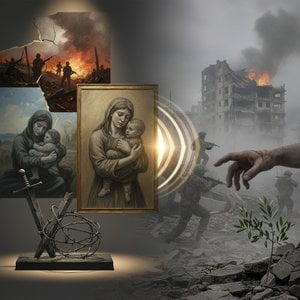
Alexander Gardner (1821–1882): A Pioneer of Photographic Documentation
Alexander Gardner, born in Paisley, Scotland, in 1821, stands as a monumental figure in the history of photography and visual documentation—a testament to his unwavering commitment to capturing the essence of pivotal moments in American history. His formative years were deeply rooted in social reform, profoundly shaped by the utopian ideals championed by Robert Owen and the burgeoning cooperative movements that gripped Britain during the mid-nineteenth century. This intellectual fervor fueled his initial pursuit of a jeweler’s trade, yet destiny steered him toward an unexpected path when he became involved with establishing a cooperative community in Iowa—a bold declaration of his belief in progressive societal values. This experience honed not only his organizational prowess but also cultivated his communicative abilities during his tenure as editor of the *Glasgow Sentinel*, exposing him to the multifaceted complexities of political discourse and social commentary that would subsequently inform his artistic vision. A Catalyst for Change: The Great Exhibition and Brady’s Influence The year 1851 witnessed a transformative encounter—a meeting with Mathew Brady at the Great Exhibition in London—that irrevocably altered Gardner's trajectory. Brady’s groundbreaking photography captivated him, igniting an ardent passion for the medium and establishing its direction for his future endeavors. Recognizing Brady’s pioneering spirit and visionary approach to image-making, Gardner joined his studio, embarking on a collaborative journey that would redefine photographic practice. Initially specializing in producing large-format prints—known as Imperial photographs—Gardner skillfully mastered the technical intricacies of this demanding process, achieving unparalleled precision and detail. Simultaneously, he honed his artistic sensibilities, absorbing Brady’s stylistic innovations and refining his compositional techniques. This partnership proved instrumental in elevating Brady's studio to prominence and securing its reputation for producing exceptional photographic reproductions. Documenting America’s Divided Soul: The Civil War Years The outbreak of the American Civil War in 1861 propelled Gardner into a role of paramount importance—that of chief photographer under the U.S. Topographical Engineers, tasked with documenting the unfolding drama of the conflict. Embracing this challenge with unwavering dedication, he traveled extensively throughout Virginia and Washington D.C., meticulously recording scenes of military activity and capturing portraits of prominent figures, including Abraham Lincoln—a portrait that would become an enduring symbol of American leadership. Recognizing the significance of visual storytelling in conveying complex narratives, Gardner skillfully employed photographic techniques to communicate the profound human cost of war—the suffering endured by soldiers and civilians alike. His work during this period stands as a testament to his artistic integrity and unwavering commitment to capturing reality with unflinching honesty. A Legacy Etched in Light: Collaboration with Timothy H. O’Sullivan and Beyond Gardner's collaboration with Timothy H. O’Sullivan—a partnership that yielded some of the most evocative images of the American West—further cemented his place among the foremost photographers of his era. Together, they ventured into uncharted territories, documenting Native American cultures and exploring the breathtaking landscapes of Nevada and Utah—projects that reflected the nation's expanding frontier spirit and its evolving understanding of natural beauty. Gardner’s meticulous attention to detail—his mastery of photographic composition and technique—established him as a singular voice in visual art. His legacy extends beyond his individual achievements; he profoundly influenced subsequent generations of photographers, shaping aesthetic sensibilities and inspiring innovative approaches to image-making. Gardner's photographs continue to resonate today, serving as enduring reminders of a pivotal moment in American history—a testament to the transformative power of visual documentation. ## Key Achievements & Recognition- Imperial Photography Technique: Gardner perfected the Imperial photographic process, achieving unparalleled detail and tonal range – a technique that would become synonymous with high-quality image reproduction.
- Brady’s Studio Leadership: He skillfully steered Brady's studio to success, establishing it as the premier photographic enterprise of its time and securing its reputation for producing exceptional prints.
- Lincoln Portraiture: His portraits of Abraham Lincoln are among the most iconic and historically significant images of the 16th President—capturing his solemn dignity and conveying a profound sense of empathy.
- Civil War Documentation: Gardner’s meticulous documentation of the Civil War battlefield scenes—particularly *A Harvest of Death*—provided unparalleled insight into the horrors of war and cemented his place as one of America's most influential chroniclers of conflict.
Otázky a odpovědi
Jak najdu díla umělce Timothy O'Sullivan Alexander Gardner v určité barevné paletě?
Díla umělce Timothy O'Sullivan Alexander Gardner si můžete prohlédnout podle barevné palety na jeho stránce Podle barevné palety.
Mohu si díla umělce Timothy O'Sullivan Alexander Gardner seřadit podle barvy?
Spektrální index umělce Timothy O'Sullivan Alexander Gardner je stránka, která organizuje jeho díla podle jejich barev.
V jakých směrech působil/a Timothy O'Sullivan Alexander Gardner?
Umělecká směrečnictví, ve kterých působil/a Timothy O'Sullivan Alexander Gardner, si můžete prohlédnout na stránce Všechna umělecká hnutí umělce, která seskupuje díla podle jednotlivých směrů.