Sampson Towgood Roch: A Silent Smile and the Art of Miniature
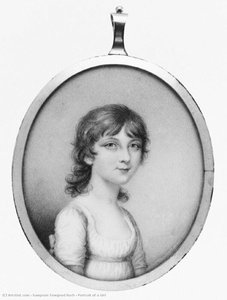
Sampson Towgood Roch (1757–1847) remains a quietly significant figure in 18th and early 19th-century Irish art, largely due to the inherent intimacy of his chosen medium – the miniature portrait. Born deaf in Youghal, County Cork, into a family steeped in local gentry, Roch’s life was shaped by sensory limitations that paradoxically fostered an acute observational skill and a unique perspective on human character. He wasn't formally trained as a painter, yet he developed a distinctive style characterized by vibrant colors, remarkably expressive faces, and – perhaps most notably – a frequent inclusion of a mischievous or knowing smile in his subjects’ expressions. This subtle detail elevates his portraits beyond mere likenesses, offering glimpses into the personalities of those depicted, making them enduringly captivating today.
Roch's early life is shrouded in some mystery, though it’s clear he possessed an innate artistic talent from a young age. His grandfather was James Roch, a prominent figure in County Waterford, and his family history provided a certain social standing. While traveling to visit relatives in Cashel in 1773, he began sketching portraits of friends and family, demonstrating a natural aptitude for capturing likenesses. This initial spark ignited a lifelong passion, one pursued largely through self-directed study and observation rather than formal instruction – a rarity for an artist of his time.
Dublin Years: Apprenticeship to Observation
By 1784, Roch had established himself as a miniature painter in Dublin’s Capel Street. He seems to have operated largely independently, eschewing the traditional apprenticeship system that governed many artists of the era. This self-taught approach allowed him considerable freedom and shaped his distinctive style. He quickly gained recognition for his ability to capture not just physical appearance but also the subtle nuances of personality – a skill honed through careful observation and an intuitive understanding of human expression. His early works, including portraits of his father and mother, reveal a burgeoning talent and a willingness to experiment with color and composition.
Roch’s time in Dublin coincided with a vibrant artistic scene, and he likely drew inspiration from the diverse range of artists practicing there at the time. While specific influences remain elusive, it's reasonable to assume that his work benefited from exposure to various styles and techniques. His acquaintance with Horace Hone, another portrait painter based on Capel Street, is particularly noteworthy, as Hone’s influence can be seen in Roch’s later portraits, notably a copy of Hone’s miniature of Lord Charlemont.
Bath and Royal Patronage
In 1792, Roch relocated to Bath, England, a fashionable resort town renowned for its artistic patronage. This move proved pivotal to his career, providing him with access to a wider clientele and opportunities to develop his skills further. During his time in Bath, he produced numerous portraits for members of the Royal Family, including Princess Amelia, solidifying his reputation as a skilled miniature painter. The demand for his work was considerable, reflecting the growing popularity of miniature portraiture among the aristocracy and gentry.
Roch’s success in Bath wasn't solely based on technical skill; he cultivated a particular approach to portraiture that resonated with his patrons. He frequently incorporated a subtle element of humor or playfulness into his subjects’ expressions, often depicted through a characteristic “smile” – a detail that has been both praised and criticized by art historians. While some view this smile as a charming quirk, others consider it a stylistic flaw. Regardless of opinion, it undeniably distinguishes Roch's portraits from those of his contemporaries.
Later Years and Legacy
Returning to Ireland in 1822, Roch spent his later years sketching scenes of rural life and continuing to paint miniatures. He eventually settled at Woodbine Hill, County Waterford, where he lived until his death in February 1847. His legacy is largely defined by the quality and enduring appeal of his miniature portraits – works that offer intimate glimpses into the lives and personalities of a bygone era. The National Gallery of Ireland holds a significant collection of Roch’s miniatures, testament to their artistic merit.
Despite being somewhat overlooked for much of the 20th century, interest in Sampson Towgood Roch's work has experienced a resurgence in recent decades. His portraits continue to be exhibited and studied, revealing a quiet brilliance and an enduring ability to capture the essence of his subjects – particularly their smiles.