

Nejslavnějším dílem umělce Peter Brown je obraz A Glimpse of Sun on Milsom Street, Bath (1999) v muzeu Victoria Art Gallery v Bath. Díky Mansfield College (2003) a A Basket of Flowers (1768) tvoří celek tří děl, která každý rozpozná. Náš katalog obsahuje 6 děl umělce Peter Brown; níže je 6 děl, na která se svět dívá nejčastěji, každé s uvedeným rokem vzniku, muzeem, které jej uchovává, a důvodem jeho významu.
Seřazeno podle našeho skóre popularity, které kombinuje počet vyhledávání, návštěv a objednávek u každého díla. Aktualizováno listopad 2026.



The painting "Up St Mary Street, Brains to Howells" by Peter Brown is a captivating depiction of a rainy day in the city. Created in 1999, this oil on canvas piece measures 38 x 59 cm and is currently housed at the Llyfrgell Genedlaethol Cymru / The National Library of Wales in Aberystwyth, United Kingdom. The Artist's Vision Peter Brown's work is characterized by his ability to capture the essence…
4 muzea, v nichž je umístěno nejvíce obrazů z této stránky.
| Muzeum | Město | Díla autora Peter Brown | Obrazy z tohoto seznamu |
|---|---|---|---|
 Victoria Art Gallery |
Bath | 1 | A Glimpse of Sun on Milsom Street, Bath |
 Hanbury Hall |
1 | A Basket of Flowers | |
 The Holburne Museum |
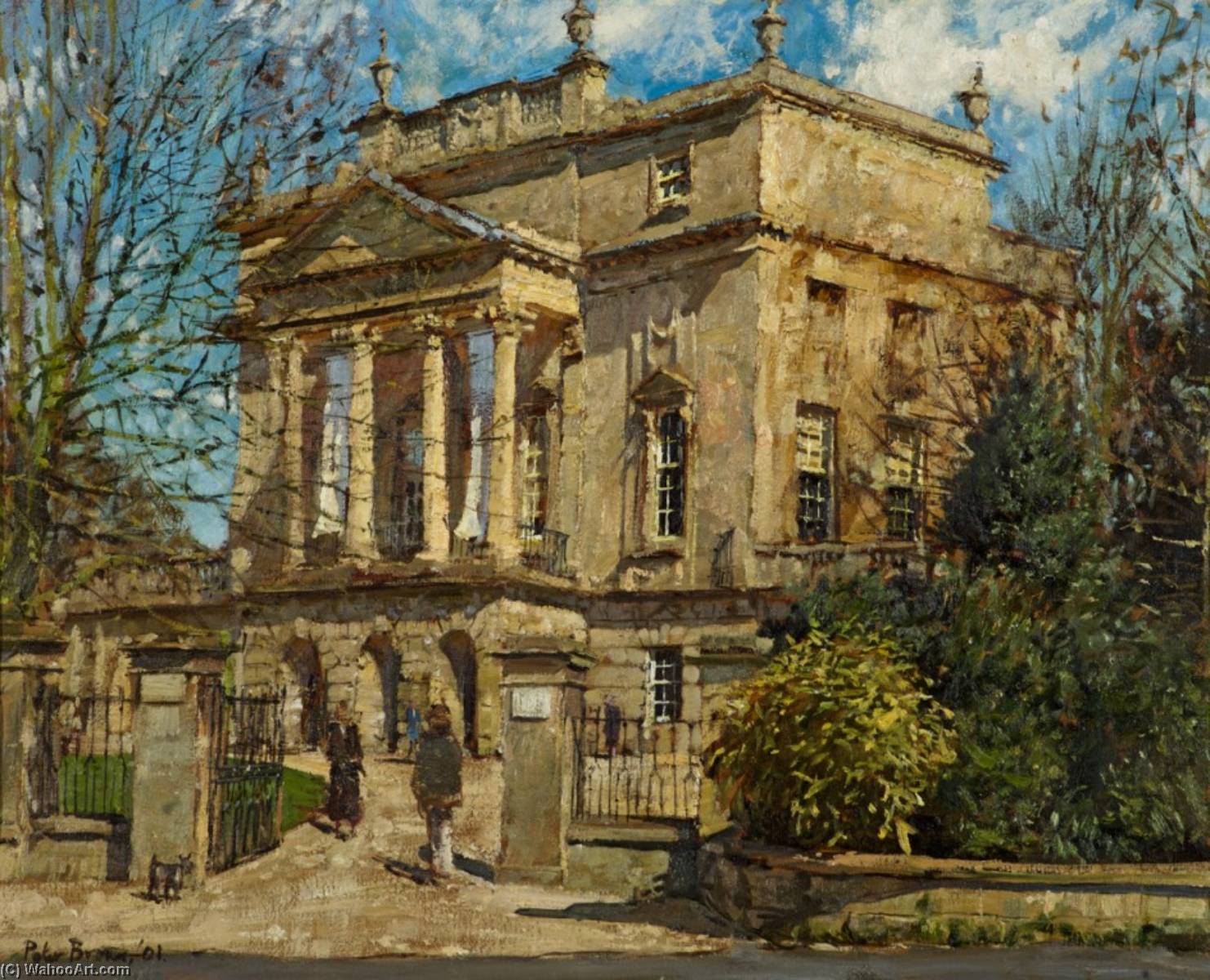
Bath | 1 | The Holburne Museum, Bath |
 Llyfrgell Genedlaethol Cymru / The National Library of Wales |
Aberystwyth | 1 | Up St Mary Street, Brains to Howells |
Peter Brown mal(a) jen málo 10 let, od 1994 do 2003: sledujte každé desetiletí rok po roce prostřednictvím obrazů, které vytvořily jeho/její jméno.


The painting "Up St Mary Street, Brains to Howells" by Peter Brown is a captivating depiction of a rainy day in the city. Created in 1999, this oil…


A Glimpse of Sun on Milsom Street, Bath (1999), Victoria Art Gallery, Bath. Následují Mansfield College (2003) a A Basket of Flowers (1768).
46 let: dílo A Glimpse of Sun on Milsom Street, Bath pochází z roku 1999 a Peter Brown se narodil/a v roce 1953.
Náš katalog obsahuje 6 děl autora Peter Brown z let 1994 až 2003.
Většina z nich se nachází v Victoria Art Gallery (Bath), Hanbury Hall a The Holburne Museum (Bath). V tabulce výše jsou jednotlivé muzea uvedeny postupně.
V období 1999: 2 z 6 děl na této stránce pochází z tohoto období, z nich A Glimpse of Sun on Milsom Street, Bath.
Nejstarší dílo na této stránce pochází z Farmyard Scene (1994), nejnovější z Mansfield College (2003).
Born in the coastal enclave of Bay Shore, New York, in 1953, Peter Brown has dedicated his life to a profound exploration of the American spirit through the medium of landscape painting. His work is far more than a mere collection of scenic views; it is an evocative attempt to distill the very essence of rural life and the quiet majesty of the natural world. Through meticulous observation and a deep-seated reverence for his subject matter, Brown captures the subtle textures of existence—the way light dances across a field or how a weathered barn stands as a silent sentinel against the rolling hills of the countryside.
Brown’s artistic foundation is built upon a rigorous academic lineage. His early fascination with architectural design provided him with a unique structural perspective, which was later refined during his time at St Peter's College, Oxford. It was here that he immersed himself in the study of the Duncan Grant art collection and engaged in intensive archival research, an experience that instilled in him a profound respect for artistic tradition and historical continuity. This academic grounding allowed him to approach the canvas not just as a painter, but as a scholar of light, form, and history.
The evolution of Brown’s technique reveals a fascinating dialogue between different movements in art history. His early explorations were deeply rooted in traditional scene painting, where he mastered the complex processes of layering and glazing. This method allowed him to achieve a luminous color palette and a sense of atmospheric depth that feels almost palpable to the viewer. Initially, his work leaned toward the Impressionist tradition, focusing on the ephemeral qualities of light and the fleeting moments of a changing day.
As his career progressed, Brown’s style underwent a sophisticated maturation, moving toward the principles of Regionalism. He began to seek a more authentic depiction of the American landscape, one that reflected the specific cultural identity and regional character of the land. This shift saw him moving away from purely atmospheric effects toward a more detailed and grounded representation of rural America. His canvases became windows into a world of golden sunlight, meandering rivers, and the rugged beauty of the earth, all rendered with a masterful command of color theory and painstaking brushwork.
The brilliance of Brown’s work lies in his ability to balance remarkable detail with emotional resonance. Whether he is depicting a vibrant Farmyard Scene brimming with life or the tranquil, realistic stillness of Mansfield College, there is an unmistakable sense of place and time in every stroke. His technique often involves a complex interplay of textures—sometimes utilizing thick impasto to create physical depth, and at other times employing delicate glazes to capture the translucency of water or sky.
Throughout his prolific career, Brown has achieved significant recognition within the art community. His work has been featured in prestigious venues and permanent collections, reflecting his importance in contemporary landscape painting. His contributions to the genre can be summarized by several key elements:
Today, Peter Brown remains a vital figure for those seeking to connect with the quiet, enduring beauty of the natural world. His paintings do not merely show us a place; they invite us to inhabit it, offering a space for the eye to travel through landscapes that feel both intimately familiar and timelessly profound.