Jenny Saville, born in Cambridge in 1970 and currently residing and working in Oxford, is a British contemporary painter whose work has profoundly challenged conventional notions of beauty and the female form. Her canvases are immediately arresting – monumental depictions of women’s bodies, often rendered with an almost brutal honesty, exploring themes of physicality, identity, and societal pressures surrounding appearance. Saville's art isn’t merely about representation; it’s a visceral interrogation of our relationship with the body, particularly as mediated by culture and expectation.
Early Influences and the YBA Scene
Saville emerged as a significant figure within the Young British Artists (YBAs) movement of the early 1990s, alongside artists like Damien Hirst and Tracey Emin. While these contemporaries often embraced multimedia approaches and conceptual strategies, Saville resolutely returned to the fundamentals of oil painting, creating intensely detailed and richly textured portraits. Her work shares a lineage with the Baroque masters, particularly Rubens, in its celebration of voluptuousness and the sheer materiality of flesh – but she infuses this classical approach with a distinctly modern sensibility. The influence of Cubism is also evident in her fragmented perspectives and layered planes, while elements of Abstract Expressionism contribute to the emotional intensity of her paintings. This fusion creates a unique visual language that simultaneously references tradition and pushes against established boundaries.
A Body Politic: Themes and Symbolism
Saville’s work consistently tackles complex and often uncomfortable subjects. She frequently depicts women with exaggerated features, confronting viewers with the realities of obesity, cellulite, and other perceived imperfections. These aren't simply portraits; they are statements about how we judge and categorize bodies, particularly female bodies. Her paintings act as a critique of beauty standards imposed by media and society, questioning the relentless pursuit of an unattainable ideal. Saville’s subjects often appear vulnerable, trapped within their own skin, highlighting the psychological impact of societal pressures. The sheer scale of her canvases further amplifies this sense of confinement and intensifies the viewer's engagement with the depicted figures. She explores themes of gender binary, the experience of being female in a patriarchal society, and the complex relationship between self-perception and external judgment.
Career Highlights and Recognition
Saville’s career has been marked by critical acclaim and significant institutional recognition. Represented by prestigious galleries like Gagosian Gallery, she has mounted solo exhibitions at renowned venues including the Museo di Palazzo Vecchio in Venice, the Scottish National Gallery in Edinburgh, and the Norton Museum of Art in Florida. Her work is held in major public collections worldwide, including The Broad in Los Angeles, the George Economou Collections in Athens, the Metropolitan Museum of Art in New York, and numerous other museums across Europe and North America. This widespread collection speaks to the enduring impact and relevance of her artistic vision. Her inclusion in publications like *Contemporary Art Issue* solidifies her position as a leading voice within contemporary art discourse.
Beyond the Canvas: Influences and Legacy
Saville’s work is deeply rooted in the history of painting, particularly the tradition of portraiture. However, she transcends mere imitation, using this historical framework to explore contemporary issues with startling directness. The 1970s art scene, as documented by sources like Cleveland High School and Debold.com, provided a fertile ground for experimentation with new forms of expression – land art, graffiti, and conceptual approaches – all of which subtly informed Saville’s development. Artists like Robert Smithson, whose “Spiral Jetty” challenged conventional notions of landscape and the relationship between humans and nature, demonstrated the potential for art to engage directly with the physical world. The influence of Walter De Maria's earthworks further contributed to a broader exploration of materiality and process within artistic practice. Saville’s legacy lies in her willingness to confront difficult subjects with unflinching honesty, prompting viewers to reconsider their own perceptions and biases regarding beauty, body image, and representation.
Redakce WahooArt.com
Kvíz o umění
U každé otázky je pouze jedna správná odpověď.
Otázka 1:
Jenny Saville is best known for her paintings depicting:
Otázka 2:
Saville's artistic style often blends elements from which art movements?
Otázka 3:
Which of the following best describes Saville's approach to representing the body?
Otázka 4:
Saville is associated with which art movement?
Otázka 5:
Where are Jenny Saville's works often represented in galleries?
Discover the profound emotional depth of Abstract Expressionism. Our expert guide explores the legacy of the New York School, from action painting to chromatic intensity, offering connoisseurs unparalleled insights into collecting and curating powerful abstract masterpieces.
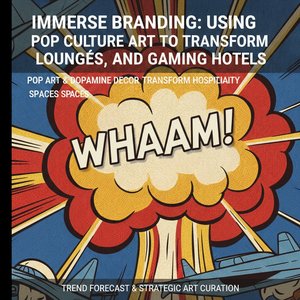
Discover how visionary hotel designers are utilizing Pop Culture Art to transform cafés, lounges, and gaming hotels into immersive, high-end destinations through strategic curation, bespoke textures, and iconic aesthetic trends.
Elevate your executive workspace with WahooArt's bespoke AI-powered transformations. We turn corporate imagery into hand-painted oil masterpieces, blending cutting-edge technology with classical craftsmanship to create a timeless legacy for the modern tech founder.