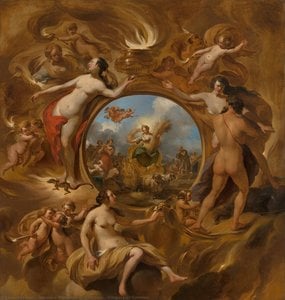
Zlatavé světlo pastoračních snů: Život a umění Nicolaese Pietersze Berchema
Nicolaes Pietersz Berchem, jméno, které v sobě nese ozvěnu idylických krajin nizozemského zlatého věku, nebyl jen prostým malířem; byl architektem atmosféry, tkadlem snů zahalených do zlatavého světla. Narodil se v Haarlemu v roce 1620 a jeho umělecká cesta se odvíjela v době pozoruhodné proměny Nizozemska – éře definované rozkvětem obchodu, vědeckou zvídavostí a hlubokým ctěním přírodního světa. Berchem krajiny neodváděl jen tak; vytvářel evokativní scény plné klasických aluzí, jemných příběhů a trvalého pocitu klidu, který oklamává diváky i staletí později. Jeho příběh je vyprávěním o uměleckém učení, italské inspiraci a nakonec i o nesmrtelném odkazu mistra pastoraální krásy. Základy jeho schopností byly položeny v rámci vlastní rodiny; jeho otec, Pieter Claesz, byl slavným malířem základek, jehož vliv nepochybně utvaril Nicolaesův raný smysl pro detail a kompozici. Mladý Nicolaes však hledal širší obzory a absolvoval apprentištní studia u po sobě jdoucí řady nizozemských mistrů: Jana van Goyena, známého svými jemnými tónálními krajinami; Petera de Grebbera, obdivovaného pro své dynamické kompozice; Jana Baptista Weenixe, se kterým později cestoval do Itálie; Jana Wilse a Claes Cornelise Moeyaerta. Tyto rozmanité vlivy poskytly Berchemovu všestrannému stylu pevný základ a vynesly mu sympatické přezdívku „Berghem“. Tato hravá variace jeho rodného jména pravděpodobně vznikla z anekdot v dílně Van Goyena – nebo možná souvisela s otcovým rodným městem Berchem poblíž Antverp – což přidané váženýmu umělci dodalo nádech milého neformálního šarmu.Italské probuzení
Zásadní moment v Berchemově umějším vývoji nastal mezi lety 1642 a 1645, kdy na společnou cestu do Itálie vyrazil s Janem Baptistem Weenixem. Nebyla to pouze geografická přesun, ale hluboká imerze do světa, který jeho estetickou vizi zásadně proměnil. Italská krajina s jejími vlnícími se kopci, antickými ruinami a sluncem zalívanými výhledy v Berchemovi zapálila vášeň. Svůj skicář naplňoval kresbami klasické architektury, pastoračních scén a života, který potkával, vstřebával romantického ducha Itálie a připravoval se, že jej po návratu do Nizozemska přenese na plátno. Tato zkušenost znamenala zlom, který jeho pozornost přesunul k tomu, co se později stalo známému jako styl „nizozemského italského realismu“ – žánru charakterizovaného idealizovanými zobrazeními italského venkova, protkanými severoevropským realismem a precizní péčí o detail. On jen nekopíroval; on internalizoval podstatu Itálie, její světlo, atmosféru a pocit nadčasové krásy, připraven ji přetvořit skrze svůj vlastní, jedinečný umělecký pohled.Produktivní mistr světla a atmosféry
Po návratu do Haarlemu se Berchem rychle ugruntnal jako přední postava tradice nizozemské italské krajiny. Vytvořil ohromující množství obrazů – odhady dosahují až 850 děl, i když mnohá díla byla časem nesprávně přisuzována jiným – což dokazuje jak jeho neuvěřitelnou produktivitu, tak trvalou popularitu. Jeho krajiny jsou okamžitě rozpoznatelné díky svému teplému, zlatavému světlu, které často zahaluje scény do měkkého zářivého svitu úsvitu nebo soumraku. Tato luminiscence není pouze technickým úspěchem; vnáší jeho malbě pocit klidu, nostalgie a nadčasového krásy. Berchem nemaloval jen to, co *viděl*; maloval to, jak se u toho, co viděl, *cítil*, čímž vytvářel emocionální rezonanci, která diváka vtahuje přímo do scény. Jeho kompozice jsou pečlivě vyvážené, často obsahují klasické ruiny jako evokativní připomínky minulosti, vedle postav zapřísněných v pastoračních činnostech – pasterců bdících nad svými stády, cestovatelů odpočívajících u potoka nebo mytologických scén rozprostřených v idylickém prostředí. Byl také vysoň vyhledávaným malířem *staffage*, který ke dílům jiných umělců, jako byli Allaert van Everdingen či Gerrit Dou, přidával půvabné lidské a zvířecí postavy, čímž jejich kompozicím dodával život a narativní detail. Mezi pozoruhodné příklady patří „Odpočívající lovci“, „Sedlec hrající na hurdy-gurdy ženě a dítěti“, „Krajina s nymphou a satyrem“ či „Brood“.Odkaz a trvalý vliv
Vliv Nicolaese Pietersze Berchema sahal daleko za hranice jeho vlastní plodné kariéry. Byl oddaným učitelem, který pečoval o talenty mnoha umělců, včetně Abrahama Begeyna, Johannese van der Benta, svého syna Nicolaese, Isaacka Croonenbergha, Simona Duboise, Karla du Jardina a možná i Jana Franse Soolmakera. Jeho umělecká vize rezonovala s následujícími generacemi, což výrazně ovlivnilo francouzského malíře rokoka Jean-Baptiste Piollmenta i nizozemské krajináře představitele „Cleveského romantismu“, jako byl Barend Cornelis Koekkoek. Zemřel v Amsterdamu v roce 1683 a zanechal po sobě odkaz, který i dnes osvětluje svět umění svým zlatavým světlem a pastoračními sny. Berchemův přínos spočívá v jeho mistrovském propojení severního realismu a jižního romantismu. Neimitoval pouze italské krajiny; reinterpretoval je skrze specificky nizozemskou optiku a vytvořil jedinečný styl, který oslavoval jak krásu přírody, tak lidské pouto k ní. Jeho malby jsou i nadále obdivovány pro svou technickou zručnost, evokativní atmosféru a nesmrtelnou přitažlivost – což je důkazem jeho statusu skutečného mistra nizozemského zlatého věku. Jeho dílo zůstává dojmovým připomínkou doby, kdy umění nehledalo pouze reprezentaci světa, ale jeho vznešení.Otázky a odpovědi
Pod jakými dalšími jmény nebo pseudony je Nicolaes Pietersz. Berchem známý/á?
Nicolaes Pietersz. Berchem je známý/á také pod jmény Nicolaes Pieterszoon Berchem, Claes Berchem, Claes Pietersz Berchem, Nicolaas Pietersz Berchem, Nicolaas Pietersz Berghem.
V jakém historickém období působil/a Nicolaes Pietersz. Berchem?
Nicolaes Pietersz. Berchem působil v období – Raná modernita. Toto období historicky vymezuje uměleckou činnost tohoto autora.
Mohu si prohlédnout díla umělce Nicolaes Pietersz. Berchem podle tématu?
Stránka Atlas témat umělce Nicolaes Pietersz. Berchem umožňuje prohlížet jeho díla podle jejich témat.