Nicolò Roccatagliata: A Sculptor of Venetian Renaissance Dynamism
Nicolò Roccatagliata (1593–1636) stands as a pivotal figure in the artistic landscape of Venice during the turbulent 17th century, renowned for his masterful bronze sculptures that embody the spirit of the Renaissance while showcasing remarkable technical skill and expressive dynamism. Born in Genoa, Italy, Roccatagliata’s formative years instilled within him an appreciation for classical ideals – a cornerstone of Venetian art at the time – which would profoundly shape his artistic vision. Despite limited biographical information surviving from his lifetime, scholars recognize him as a student of Jacopo Sansovino, inheriting Sansovino's dedication to anatomical accuracy and idealized beauty. This influence is palpable in Roccatagliata’s oeuvre, particularly evident in works like “Virgin and Child,” currently housed at The Metropolitan Museum of Art, where the sculpture’s serene composition contrasts beautifully with its intricate detailing—a testament to Roccatagliata’s meticulous craftsmanship.
Early Life and Artistic Training
Details surrounding Roccatagliata's early life remain scarce, primarily due to the challenges inherent in documenting artistic endeavors during the period. However, evidence suggests he honed his sculptural skills under Sansovino’s tutelage, absorbing the humanist principles that underpinned Venetian art. This training fostered a deep understanding of human anatomy and proportion—elements crucial for achieving realistic representation while simultaneously conveying emotional depth. Roccatagliata's commitment to classical ideals extended beyond mere stylistic imitation; it represented a philosophical engagement with the legacy of antiquity, reflecting the broader intellectual currents circulating throughout Europe during the Renaissance.
Notable Works and Artistic Style
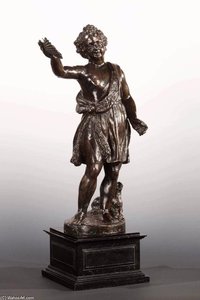
Roccatagliata’s artistic output primarily focused on bronze sculptures depicting mythological figures and biblical scenes—subjects favored by Venetian artists of his era. His most celebrated creations include “Tritons” – dynamic depictions of sea deities rendered in impressive detail, often mounted on octopus bases—and “Bacchus,” capturing the exuberance of Dionysiac ritual with captivating movement and expressive gestures. These sculptures exemplify Roccatagliata’s distinctive style: characterized by a harmonious blend of anatomical precision and artistic dynamism. He skillfully employed techniques honed through observation and experimentation to imbue his figures with palpable energy, conveying not merely physical form but also psychological nuance. The meticulous polishing and patination of his bronzes further enhanced their visual impact, creating surfaces that shimmered with subtle variations in color—a hallmark of Venetian bronze casting traditions.
Influence and Legacy
Roccatagliata’s contribution to Venetian sculpture solidified the city's reputation as a center for artistic innovation during the Renaissance. His works served as inspiration for subsequent generations of sculptors, demonstrating the enduring power of classical ideals combined with humanist sensibilities. Although Roccatagliata died prematurely at the age of 43, his legacy persists in the surviving sculptures that bear witness to his exceptional talent and unwavering devotion to artistic excellence. The rediscovery of “Virgin and Child” through Hans Weihrauch’s meticulous scholarship underscores the importance of ongoing research into Venetian art history—confirming Roccatagliata's rightful place among the foremost sculptors of his time. His enduring influence can be seen in the stylistic conventions adopted by artists who followed him, cementing his position as a pivotal figure in shaping Venetian artistic identity.
Recognition and Continued Study
Roccatagliata’s sculptures continue to captivate audiences worldwide, demonstrating the timeless appeal of classical mythology and humanist ideals. The Getty Research Institute's comprehensive ULAN record provides invaluable information about Roccatagliata’s artistic output and its place within the broader context of Venetian Renaissance art—facilitating scholarly dialogue and furthering our understanding of his creative achievements. Ongoing research into Roccatagliata’s life and work promises to illuminate new facets of his artistic journey, enriching our appreciation for this remarkable sculptor whose legacy endures through his enduring masterpieces.