A Shadow in the Golden Age: Unveiling Monogrammist JG
The early 17th century, a period brimming with artistic innovation and societal shifts, often holds secrets within its vast tapestry of creators. Among these enigmatic figures stands monogrammist jg – an artist whose very identity remains veiled in mystery, known only by the distinctive initials adorning their delicate works. Active around 1630 in Northern Europe, likely the Dutch Republic or a neighboring region, this artist specialized in miniatures, captivating scenes rendered with remarkable precision on vellum and canvas. While biographical details remain elusive, the surviving artworks offer compelling glimpses into a skilled hand deeply attuned to the currents of Commedia dell’Arte, portraiture, and the burgeoning interest in genre painting that characterized the era. The lack of concrete information only adds to the allure, transforming jg into a fascinating puzzle for art historians and enthusiasts alike.
The World Within Miniature: Style and Subject Matter
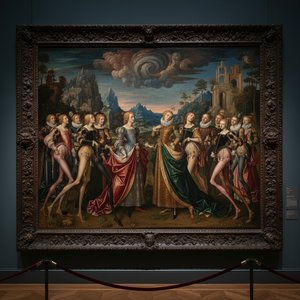
Monogrammist jg's oeuvre is defined by its intimacy and meticulous detail. Their miniatures are not grand statements but rather windows into private moments – lively gatherings, theatrical performances, and carefully posed portraits. A recurring theme is the *Commedia dell’Arte*, a popular form of improvisational theatre that swept across Europe during this period. jg's depictions capture the energy and wit of these performances, showcasing masked characters engaged in playful interactions and exaggerated gestures. These scenes weren’t merely copies of stage productions; they were often infused with subtle narratives and social commentary. Beyond theatrical subjects, jg also excelled at portraiture, creating refined likenesses that reveal a keen understanding of human expression and character. The artist's technique is characterized by delicate brushwork, vibrant colors (despite the small scale), and an exceptional ability to render textures – from the sheen of silk garments to the subtle flush of skin. The use of vellum as a support for many of these works suggests a clientele that valued precious materials and exquisite craftsmanship.
Influences and Artistic Context
Pinpointing direct influences on monogrammist jg is challenging given the limited biographical data. However, their work clearly reflects the artistic climate of the Dutch Golden Age. The rise of genre painting – scenes from everyday life – championed by artists like Pieter de Hooch and Jan Steen, likely played a role in shaping jg’s interest in depicting lively gatherings and domestic interiors. The influence of earlier miniature traditions, particularly those associated with illuminated manuscripts, is also evident in the artist's precise technique and attention to detail. Furthermore, the popularity of *Commedia dell’Arte* suggests exposure to Italian artistic trends circulating throughout Europe at the time. It’s plausible that jg was part of a network of artists who exchanged ideas and techniques, contributing to the vibrant cultural exchange of the 17th century. The artist's connection to Pieter Janson, as evidenced by a portrait attributed to jg, hints at possible patronage within Dutch officer circles.
Rediscovering a Forgotten Hand: Recent Scholarship
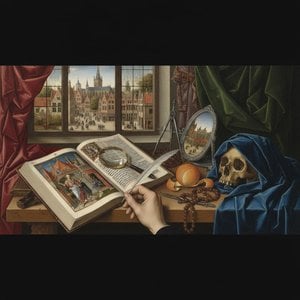
For many years, works attributed to monogrammist jg were often categorized simply as “manner of” or assigned to unknown artists. However, recent scholarship has begun to consolidate these disparate pieces, recognizing the consistency of style and subject matter that points to a single, identifiable hand. The discovery of signed artworks bearing the "jg" monogram has been crucial in establishing the artist's presence and building a more comprehensive understanding of their oeuvre. Analysis of pigments and vellum supports further confirms the authenticity of these attributions. While much remains unknown, ongoing research continues to shed light on this fascinating figure, revealing a skilled artist who deserves greater recognition within the canon of 17th-century art. The detailed study of works like “View of Heusden” and “Festive Gathering” demonstrates jg’s mastery of composition, color, and narrative detail.
Legacy and Historical Significance
Despite the anonymity surrounding their life, monogrammist jg left behind a body of work that offers valuable insights into the cultural and artistic landscape of the Dutch Golden Age. Their miniatures provide glimpses into the popular entertainment of the time – the vibrant world of *Commedia dell’Arte* – and reflect the growing interest in genre painting and portraiture. The artist's meticulous technique and refined style suggest a clientele that valued exquisite craftsmanship and intimate depictions of everyday life. While not a household name, monogrammist jg represents a significant voice within the broader artistic conversation of the 17th century—a testament to the enduring power of art to transcend anonymity and capture the spirit of an era. Their works serve as a reminder that even in the shadows of history, talent and artistry can leave an indelible mark.The ongoing rediscovery of jg’s oeuvre promises to further illuminate our understanding of this captivating artist and their place within the rich tapestry of Northern European art.
Explore the dramatic evolution of Northern Mannerism. Discover how masters like Bosch and Grünewald transitioned from Renaissance harmony to profound, elegant distortion through an expert analysis of symbolism, emotional intensity, and artistic innovation.
Discover the profound beauty of the Early Netherlandish Renaissance. Explore the revolutionary oil techniques, intricate symbolism, and masterful realism of Northern masters like Jan van Eyck in this expert-led guide for classical art enthusiasts.
Explore the intricate beauty of Northern Renaissance art. Discover the revolutionary oil techniques, profound symbolism, and microscopic realism of the Franco-Flemish masters in this expert guide for classical art enthusiasts.