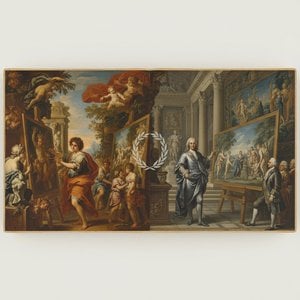
Lorenzo Ottoni: Sculptor of Papal Grandeur and Baroque Splendor
Lorenzo Ottoni (1658 – 1736) stands as a pivotal figure in the artistic landscape of Renaissance Italy, particularly during the fervent Baroque period. Born in Rome—a city pulsating with papal patronage and artistic ambition—Ottoni’s life was inextricably linked to the transformative cultural currents reshaping Europe. His legacy resides primarily in his monumental sculptures, commissioned by influential families like the Barberini and adorning iconic spaces such as St. Peter's Basilica, cementing his place among the foremost sculptors of his era.
Early Training and Artistic Influences
Ottoni’s formative years were spent under the tutelage of Antonio Giorgetti and Ercole Ferrata, establishing a foundation in classical sculpture techniques honed by the humanist ideals prevalent at the time. Ferrata's studio served as a crucible for artistic innovation, fostering collaboration and experimentation—a tradition Ottoni embraced wholeheartedly. This exposure to Ferrata’s workshop instilled within him a meticulous attention to detail and an understanding of sculptural anatomy that would characterize his subsequent works. Furthermore, Ottoni absorbed stylistic influences from Mannerism, recognizing its expressive distortions and psychological depth as crucial tools for conveying emotion and narrative complexity.
A Flourishing Career Amidst Papal Patronage
Ottoni’s artistic career ascended rapidly thanks to the generosity of papal patrons—most notably Cardinal Francesco Barberini and Pope Urban VIII—who recognized his talent and bestowed upon him commissions that propelled him to international acclaim. The Barberini family entrusted Ottoni with portraits of their patriarchs and nephew, capturing regal dignity and conveying familial bonds with remarkable precision. Simultaneously, Ottoni undertook ambitious projects at St. Peter’s Basilica, collaborating with architects and fellow artists to embellish the basilica's interior with breathtaking sculptures—a testament to his commitment to artistic excellence and papal grandeur. His contribution to the chapel of Sant’Ignazio exemplifies Baroque dynamism and theatricality, utilizing dramatic lighting effects to heighten the emotional impact of religious imagery.
Notable Achievements and Artistic Style
Ottoni’s sculptural output spanned a remarkable range of subjects—religious iconography, portraits, and monumental decorative ensembles—demonstrating his versatility as an artist. His depictions of saints and biblical figures are imbued with profound spiritual contemplation, reflecting the Counter Reformation's fervor for religious art. Ottoni skillfully employed marble and bronze to achieve textural richness and luminosity, capturing subtle nuances of expression and conveying a palpable sense of movement. The monument of Christina, Queen of Sweden—featuring two magnificent white marble putti—represents Ottoni’s mastery of sculptural form and his ability to imbue inanimate stone with ethereal beauty.
Legacy and Historical Significance
Lorenzo Ottoni's sculptures continue to inspire admiration for their technical virtuosity and expressive power. He was elected into the Accademia di San Luca and the Congregazione dei Virtuosi al Pantheon—Rome’s most prestigious artistic institutions—underscoring his recognition as a leading figure within the artistic community of his time. His work embodies the spirit of Baroque Rome, reflecting its ambition for grandeur, its preoccupation with emotion, and its unwavering devotion to religious faith. Ottoni's sculptures stand as enduring symbols of papal authority and artistic innovation, securing his place in art history as one of the most influential sculptors of the seventeenth century.