Linda Simpson: A Chronicle of Queer New York Through the Lens
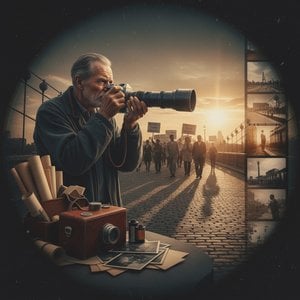
Linda Simpson isn’t merely a photographer; she's a living archive, a meticulous chronicler of a vibrant and often overlooked chapter in American cultural history. Born in New York City in 1960, her life has been inextricably linked to the city’s pulsating drag scene, particularly during its explosive growth in the 1980s and 1990s. Simpson's work transcends simple documentation; it’s a deeply personal exploration of identity, community, and the defiant joy found within queer subculture. Her career began almost serendipitously – armed with a point-and-shoot camera, she documented her own immersion into the East Village’s burgeoning drag world, capturing an era of unapologetic self-expression before it became mainstream.
Simpson's early years in New York City were formative. Drawn to the energy and diversity of the East Village, she found herself captivated by the thriving drag scene at iconic venues like the Pyramid Club. This wasn’t a detached observation; Simpson actively participated, becoming a fixture within the community, hosting shows, and forging deep connections with queens and performers. Her approach was remarkably intuitive – she didn't seek to stage or manipulate her subjects; instead, she simply observed and photographed, allowing the raw energy of the moment to translate onto film. This commitment to authenticity is evident in her extensive collection of over 5,000 photographs, a testament to her dedication and a vital record for future generations.
The Zine Era & The Drag Explosion
Before the digital age, zines were the lifeblood of underground communities. Linda Simpson was deeply involved in this vibrant scene, publishing *My Comrade*, a zine that celebrated the diversity and radical spirit of the East Village queer community. Unlike many mainstream publications, *My Comrade* aimed to represent all voices within the community—from drag queens and performers to activists and artists—avoiding hierarchical structures and embracing a truly inclusive perspective. This ethos extended to her photographic practice; she wasn’t interested in creating idealized portraits but rather capturing the gritty reality of life on the streets, the laughter in the clubs, and the fierce pride of those who dared to defy societal norms.
Her work culminated in *The Drag Explosion*, a meticulously curated collection of photographs that offers an unparalleled glimpse into New York City’s drag scene during its golden age. The book isn't simply a visual record; it’s a narrative tapestry woven from countless hours of observation and genuine connection. Simpson’s images capture the glamour, the humor, the vulnerability, and the sheer audacity of drag performance—a world where gender is fluid, identity is constructed, and self-expression reigns supreme. The book's success led to exhibitions at institutions like the Brooklyn Museum, solidifying her place as a significant figure in queer art history.
Influences & Artistic Approach
Simpson’s artistic approach is rooted in direct observation and a deep respect for her subjects. She eschewed formal training, relying instead on instinct and an intimate understanding of the community she documented. Her photographs are characterized by their immediacy and spontaneity—a sense that they were captured in the moment, without artifice or manipulation. The lighting is often natural, reflecting the atmosphere of the clubs and streets where she worked. She wasn’t interested in creating polished, idealized images; instead, she sought to capture the raw energy and emotional truth of her subjects.
Influences are difficult to pinpoint precisely, but it's clear that Simpson was deeply inspired by the documentary photography of Robert Frank and William Eggleston—artists who captured the essence of everyday life with a keen eye for detail and a willingness to embrace imperfection. Furthermore, she drew inspiration from the zine culture of the 1980s, which emphasized DIY aesthetics and a commitment to representing marginalized voices. Her work stands as a powerful testament to the enduring legacy of these artistic movements.
Legacy & Continuing Relevance
Linda Simpson’s contribution extends far beyond her photographic archive. She has become a respected historian of queer New York, sharing her knowledge and experiences through interviews, lectures, and exhibitions. Her work serves as a vital resource for understanding the evolution of drag culture—from its underground roots to its current prominence in mainstream entertainment. She continues to host drag bingo nights, maintaining an active presence within the community she helped shape.
In a world increasingly dominated by curated images and manufactured narratives, Simpson’s photographs offer a refreshing glimpse into a time when authenticity and self-expression were paramount. Her work is not just a record of the past; it's a celebration of resilience, creativity, and the enduring power of community—a reminder that even in the face of adversity, joy can always be found.