Lee Ki Wook: Bridging Tradition and Innovation in Korean Ceramics
Lee Ki Wook, born October 23rd, 1981, in Seoul, South Korea, stands as a compelling figure within the contemporary Korean art landscape. While perhaps not widely recognized internationally, his dedication to mastering the craft of ceramic sculpture has garnered considerable acclaim within Korea and increasingly attracts attention from collectors worldwide. His artistic journey began with formative influences rooted deeply in Korean cultural heritage, specifically the legacy of Lee Ungno, a celebrated master whose pioneering explorations into abstract expressionism continue to inspire Wook’s own distinctive style.
- Early Life & Artistic Beginnings:
- Military Service & Subsequent Creative Exploration:
- Formal Training & Development of Technique:
- Signature Style: Ceremonial Vessels and Beyond:
- Recognition & Continuing Contributions to Korean Art:
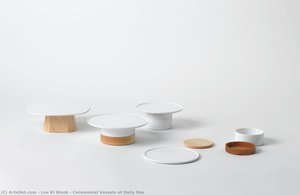
His artistic approach distinguishes itself through a masterful blend of traditional Korean ceramic techniques—particularly the meticulous crafting of *ceram*, or ceremonial vessels—with explorations into modern conceptual ideas. Unlike many artists who gravitate towards purely representational forms, Wook deliberately chooses to convey emotion and narrative through subtly textured surfaces and carefully considered compositions. This deliberate restraint is evident in pieces like “Ceremonial Vessels of Daily Use,” which showcase a profound understanding of materiality and its ability to communicate complex themes related to memory and ritual. The resulting sculptures possess an understated elegance that speaks volumes about Wook’s commitment to honoring tradition while simultaneously pushing artistic boundaries.
The Lee Ungno Museum in Daegu serves as a crucial point of reference for appreciating Wook's artistic sensibilities. Visiting this museum allows viewers to immerse themselves in the expansive oeuvre of Lee Ungno, whose groundbreaking Abstract Letter series and prison paintings profoundly impacted Korean art history. Observing these works alongside Wook’s own creations illuminates shared interests in confronting difficult subjects with sensitivity and conveying profound emotional resonance—a testament to the enduring influence of Korean artistic heritage on contemporary artists like Lee Ki Wook.
His commitment extends beyond artistic creation; he actively participates in initiatives aimed at supporting vulnerable communities, donating a portion of his television revenue to a dog shelter in November 2022. This philanthropic gesture underscores Wook’s belief that art should serve as a catalyst for positive social change and reinforces his position as not only a skilled ceramicist but also an artist deeply invested in ethical considerations.
Looking ahead, Lee Ki Wook continues to refine his craft and explore new avenues of artistic expression. His work embodies the spirit of Korean ceramics—a tradition steeped in symbolism and imbued with a deep connection to Korean history and culture—while simultaneously embracing the dynamism of contemporary art. As he pursues his creative endeavors, Lee Ki Wook undoubtedly contributes to preserving and elevating Korea’s artistic legacy for generations to come.