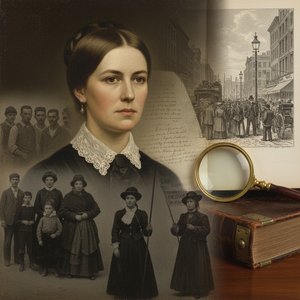
Joseph-Alexandre Boichard: A Parisian Portraitist Bridging Tradition and Innovation
Joseph-Alexandre Boichard (1833 – present) emerged from the artistic landscape of late 19th century France, a period characterized by both fervent Romantic idealism striving for sublime beauty and burgeoning Modernism questioning established conventions. Born in La Grande-Combe-des-Bois, Doubs, he possessed an uncommon blend of technical prowess—rooted in meticulous observation and disciplined craftsmanship—and humanist sensibility—a rare combination that would define his artistic vision and secure him a respected position amongst the leading portrait artists of his era. His creative journey intersected with pivotal social upheavals, notably the Communard uprising of 1871, demonstrating unwavering allegiance to republican ideals alongside an ardent pursuit of mastering the art of painting.
Boichard’s formative years were profoundly impacted by classical aesthetics and artistic precedent—influences undeniably visible in his exquisitely rendered portraits. Recognizing the importance of precision and detail within printmaking as well as painting, he diligently honed his skills under the tutelage of accomplished engravers—a decision that underscored his understanding of visual communication and its role in disseminating artistic ideas. This grounding in traditional techniques proved invaluable as he navigated the dynamic artistic climate of Paris during the Belle Époque, adapting to evolving tastes while upholding enduring standards of excellence. His employment by Maison Devambez, a celebrated printing firm recognized for its unparalleled craftsmanship and contribution to the dissemination of art and literature—a connection that fostered his appreciation for visual artistry—further solidified his position within Parisian intellectual circles.
His artistic output remained steadfastly focused on portraiture, particularly depictions of women—subjects he approached with remarkable sensitivity and psychological insight. Boichard’s canvases transcended mere likenesses; they conveyed nuanced expressions of emotion and captured subtle gestures that illuminated character—a hallmark of Romantic portraiture that distinguished him from many of his contemporaries. The Maison Devambez atelier's reputation for producing breathtaking reproductions ensured that Boichard’s works achieved considerable visibility throughout Parisian society and beyond, garnering acclaim from discerning critics and collectors alike. His paintings were honored with exhibitions at prestigious institutions such as the Frick Collection and Frick Art Reference Library in New York City—a testament to their enduring appeal and recognition by influential figures of the time.
- Notable Achievements:
- Numerous medals awarded for engraving excellence, reflecting his mastery of printmaking techniques.
- Recognition at the Frick Collection and Frick Art Reference Library, cementing his reputation as a respected artist within the international art community.
Boichard’s artistic legacy extends beyond individual artworks; he represents a crucial nexus between Romantic idealism—characterized by emotional fervor and imaginative grandeur—and Impressionistic experimentation—marked by fleeting moments of light and color. His meticulous attention to detail—a cornerstone of academic portraiture—combined with an empathetic understanding of human psychology distinguishes him from many artists of his time, demonstrating a profound engagement with the intellectual currents shaping the visual arts of the Belle Époque. He stands as an exemplar of artistic integrity, unwavering in his dedication to craft while simultaneously reflecting upon the broader philosophical questions confronting European culture during this transformative period—a figure whose work continues to inspire admiration and scholarly inquiry today.
Further Exploration: