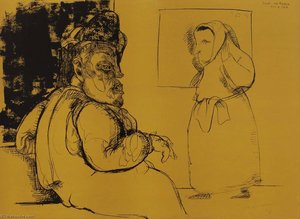
José Luis Cuevas, narozen v roce 1934 v Mexico City, se vyvinul v klíčovou postavu mexické dějin umění, která se odvážně postavila proti zřídlému dominování muralismu, jenž po celá desetiletí definoval uměleckou identitu národa. Jeho vzpoura nebyla zakořeněna pouze v pouhé stylistické odlišnosti, ale šlo o hluboké zpochyňování sociálních a politických narativů vžitých do těchto monumentálních děl. Cuevasovo rané dětství, prožitá uprostřed hučení rodinné papírnické a tužkové továrny, bylo poznamenáno jak tvůrčí stimulací, tak fyzickou křehkostí. Dětská nemoc ho donutila k dlouhým obdobím izolace, během nichž objevil nesmrtelnou vášeň pro kresbu a rytinu – dovednosti, které si zdokonalil pod vedením Lola Cueto na Mexico City College. Toto období osamění se ukázalo jako formativní, protože v něm vyrostla hluboce osobní umělecká vize, která by v budoucnu upřednostňovala introspekci před velkolepými prohlášeními. Krátce navštěvoval prestižní Escuela Nacional de Pintura, Escultura y Grabado „La Esmeralda“, ale zdravotní potíže ho nakonec vedly k vytvoření vlastní nezávislé cesty; již v čtrnácti letech si založil vlastní studio a učinil z samostudentství svůj hlavní způsob uměleckého rozvoje.
Rozchod s tradicí: Generación de la Ruptura
Cuevas se stal předním hlasem skupiny Generación de la Ruptura (Generace zlomu), společenství umělců, kteří odmítli otevřeně nacionalistický a sociálně didaktický přístup muralismu, reprezentovaný postavami jako Diego Rivera, José Clemente Orozco a David Alfaro Siqueiros. Zatímco tito mistři usilovali o zobrazení historie a bojů Mexika v monumentálním měřítku, Cuevas a jeho contemporary se obrátili dovnitř, aby prozkoumali témata odcizení, existenciální úzkosti a temných aspektů lidské zkušenosti. Jeho dílo je charakteristické zkreslenými postavami, fragmentovanými tvary a záměrně znepokojivou estetikou, která odráží hluboký zklamání z tehdejších převládajících ideologií. Nebyl zajat oslavováním kolektivní identity; místo toho se soustředil na psychologickou krajinu jednotlivce a často zobrazoval postavy trýzněné vnitřním neklidem nebo uvězněné v utlačujících okolnostech. Tento záměrný posun znamenal významný zlom v mexickém umění a otevřel cestu k větší experimentální tvorbě a osobnímu vyjádření. Jeho raná díla byla v roce 1953 vystavena v Galera Prisse v Mexico City a brzy poté začal získávat mezinárodní uznání.
Kontroverzní vizionář: Témata a techniky
Cuevasova umělecká tvorba je neuvěřitelně rozmanitace, zahrnuje malbu, kresbu, grafiku, sochařství i literaturu. Přesto se skrze celé jeho dílo prolíná jednotné téma: neúprosná explorace lidské existence v celé její komplexnosti a nedokonalosti. Často ztvárňoval scény násilí, rozkladu a morálního úpadku a vyzýval diváky, aby se postavili nepříjemným pravdám o nich samotných i o společnosti. Jeho autoportréty, jejichž počet činí stovky, jsou obzvláště odhalující; nabízejí syrový a často brutálně upřímný pohled na jeho vlastní úzkosti, zranitelnost a obsese. Ovládal širokou škálu technik a projevoval mistrovství v rytině, litografii i smíšených mediích. Byl znám svou precizní kresbou a schopností vytvořit silné obrazy s minimálními prostředky. Jeho styl se v čase vyvíjel a začal zahrnovat prvky expresionismu, surrealismu a abstraktního umění, ale vždy zůstal jasně osobní a rozpoznatelný. Nebál se hledat kontroverzi a často využíval šokující obrazovou řeč a provokativní výroky k napadání konvenčních norem a vyvolávání debat.
Odkaz a Museo José Luis Cuevas
Během celé své kariéry zůstal José Luis Cuevas neústupnou a výbušnou postavou, která se nebála kritizovat ty, které vnímala jako někoho, kdo obětuje svou uměleckou integritu pro politický či komerční zisk. Jeho nekompromisní postoj mu vynesl jak obdivovce, tak odpůrce a upevnil jeho pověst rebela v uměleckém světě. V roce 1982 zastupoval Mexiko na Benáveckém bienále, čímž dále posílil své mezinárodní postavení. Jeho nejtrvalejším odkazem je však pravděpodobně Museo José Luis Cuevas, založené v roce 1992 v historickém centru Mexico City. Muzeum hostí rozsáhlou sbírku jeho vlastního díla, stejně jako pozoruhodný soubor prekolumbijských artefaktů a evropských mistrovských děl, které během let zgumávil. Stojí jako svědectví o jeho eklektickém vkusu a neochvějné snaze o uměleckou dokonalost. Principem práce a vystavování pokračoval až do své smrti v roce 2017, zanechávaje po sobě rozsáhlé a vlivné dílo, které i dnes diváky inspiruje a provokuje. Jeho dopad na mexické umění je nezpochybnitelný; osvobodil generaci umělců od okovů tradice a povzbuzoval je k hledání vlastního unikátního hlasu, i když tento hlas byl nepříjemný či nepopulární. Zůstává mocným symbolem umělecké svobody a intelektuální nezávislosti.
Redakce WahooArt.com
Kvíz o umění
U každé otázky je pouze jedna správná odpověď.
Otázka 1:
José Luis Cuevas byl významným představitelem kterého uměleckého hnutí, které vyzvalo tradiční mexický muralismus?
Otázka 2:
Jaké zdravotní onemocnění přimělo Cuevase opustit své formální studium na Národní škole malířství a sochařství 'La Esmeralda'?
Otázka 3:
Kterým opakujícím se tématem v Cuevasově díle byly často odrazy jeho osobních úzkostí?
Otázka 4:
V jakém roce bylo v Mexico City otevřeno Muzeum José Luis Cuevas?
Otázka 5:
Podle René Avilés Fabila, do koho byl José Luis Cuevas nejvíce zamilovaný?
Explore the profound impact of Mexican Muralism, a visual revolution born from social struggle. Delve into the monumental works of Rivera, Orozco, and Siqueiros, uncovering how these powerful frescoes redefined identity and ignited a lasting legacy of resistance in art history.
Embark on a visual journey through the soul of Mexican art. Explore the profound legacy of muralism, folk traditions, and revolutionary masters like Rivera and Orozco in this deep cultural exploration of color, symbolism, and identity.