
1
Francis Jeffrey (1773–1850), Lord Jeffrey, Judge and Critic
Ručně malovaná olejná reprodukce od $181 29 × 35 cm

Obrazem, díky němuž se John Pairman stal slavným, je Francis Jeffrey (1773–1850), Lord Jeffrey, Judge and Critic (1823); visí v Scottish National Portrait Gallery v místě Edinburgh. Rachel Davidson (1838) a Bridge over River Almond (1843) následují v srdcích sběratelů i návštěvníků muzeí. Z 13 děl umělce John Pairman v našem katalogu je těchto 13 nejoblíbenějších, z nichž každé je uvedeno s datem vzniku, muzeem a unikátními rysy.
Seřazeno podle našeho skóre popularity, které kombinuje počet vyhledávání, návštěv a objednávek u každého díla. Aktualizováno listopad 2026. Každé dílo na této stránce lze objednat jako ručně malovanou olejovou reprodukci v muzeální kvalitě nebo jako umělecký tisk v požadovaném rozměru.




5 muzea, v nichž je umístěno nejvíce obrazů z této stránky.
| Muzeum | Město | Díla autora John Pairman | Obrazy z tohoto seznamu |
|---|---|---|---|
 Moat Park Heritage Centre |
Biggar | 5 | Mrs Brown, Female Study, John Lamb of Carmichael |
 Gladstone Court |
Biggar | 4 | Rachel Davidson, Bridge over River Almond, Symington |
 Scottish National Portrait Gallery |
Edinburgh | 2 | Francis Jeffrey (1773–1850), Lord Jeffrey, Judge and Critic, John Pairman (1788–1843), Artist, Self Portrait |
 The Hunterian Museum and Art Gallery |
Glasgow | 1 | A Cottage Interior |
 Holy Trinity Chapel |
Biggar | 1 | Family of Travellers Resting by a Donkey |


Francis Jeffrey (1773–1850), Lord Jeffrey, Judge and Critic (1823), Scottish National Portrait Gallery, Edinburgh. Následují Rachel Davidson (1838) a Bridge over River Almond (1843).
35 let: dílo Francis Jeffrey (1773–1850), Lord Jeffrey, Judge and Critic pochází z roku 1823 a John Pairman se narodil/a v roce 1788.
Francis Jeffrey (1773–1850), Lord Jeffrey, Judge and Critic, Rachel Davidson, Bridge over River Almond, Mrs Brown, Female Study, Symington, A Cottage Interior, Robert Pairman (1782 1784–1867), John Lamb of Carmichael a Janet (Jess) Brown, Wife of Dr David Smith. Výše uvedené pořadí uvádí rok a muzeum každého díla.
Náš katalog obsahuje 13 děl autora John Pairman z let 1823 až 1843.
Většina z nich se nachází v Moat Park Heritage Centre (Biggar), Gladstone Court (Biggar) a Scottish National Portrait Gallery (Edinburgh). V tabulce výše jsou jednotlivé muzea uvedeny postupně.
Nejstarší dílo na této stránce pochází z Francis Jeffrey (1773–1850), Lord Jeffrey, Judge and Critic (1823), nejnovější z Bridge over River Almond (1843).
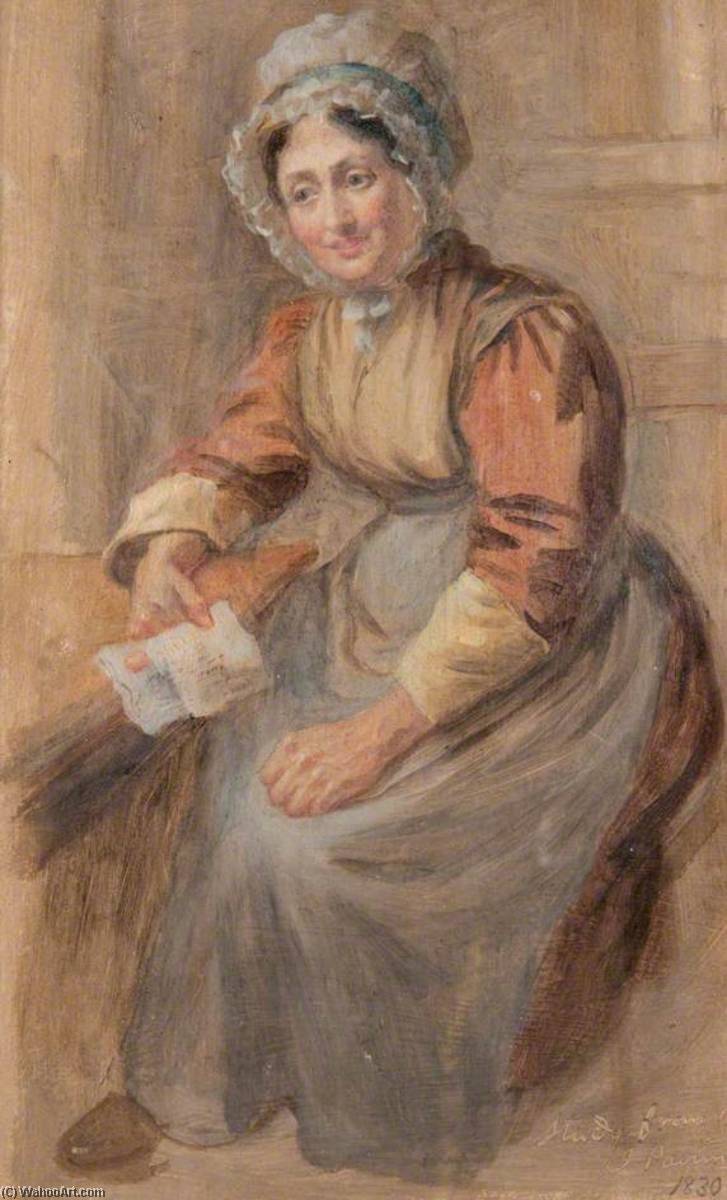
Mrs Brown, Female Study a John Lamb of Carmichael patří mezi 5 děl na této stránce, která má v zastarání Moat Park Heritage Centre, Biggar.
Ano. Každý obraz na této stránce lze objednat jako ručně malovanou olejovou reprodukci v muzeální kvalitě nebo jako umělecký tisk v požadovaném rozměru přímo z jeho vlastní stránky.
John Pairman (1788–1843) stands as a significant figure in the burgeoning landscape movement of early 19th-century Britain, yet his artistic legacy extends far beyond mere topographical representation. Born in Edinburgh, Scotland, Pairman’s formative years coincided with the rise of Romanticism—a cultural aesthetic prioritizing emotion and imagination over rational observation—influencing profoundly his artistic vision.
Pairman distinguished himself from his contemporaries through a remarkable dedication to landscape painting—a genre increasingly favored by artists seeking to express profound feelings and spiritual contemplation. Unlike many painters who adhered to strict academic conventions, Pairman embraced loose brushwork and vibrant color palettes, prioritizing atmospheric effects over precise detail.
Alongside his landscape paintings, Pairman produced a substantial body of portrait commissions—primarily depicting prominent figures from Scottish society. His portraits are notable for their sensitivity and psychological accuracy, capturing not only physical likeness but also the inner life of his subjects.
John Pairman’s contribution to Scottish art history is undeniable—he remains one of the foremost landscape painters of his era. His works continue to inspire admiration for their expressive power and technical virtuosity, securing his place as a pivotal figure in the Romantic movement.


