Johannes Luiken: A Dutch Poet of Martyrdom and Moral Reflection
Johannes Luiken, later known as Jan Luyken, stands as a compelling figure in 17th-century Dutch art and literature. Born in Amsterdam in 1649, his life was marked by a profound conversion to the Mennonite faith, an event that deeply shaped his artistic vision and fueled his prolific output of moralistic poetry and poignant engravings. Luiken’s work transcends mere illustration; it's a visual sermon, a testament to suffering, faith, and the enduring power of human spirit—a reflection of the turbulent religious landscape of his time. His legacy endures not just through his artistic skill but also as a sensitive chronicler of historical events and biblical narratives.
Early Life and Artistic Training
Luiken’s early life was steeped in the world of engraving, apprenticed to his father, Kaspar Luyken, a respected artist in his own right. This foundational training instilled within him a mastery of copper etching techniques—a skill he would later employ with remarkable precision and emotional depth. While details of his formal education remain scarce, it’s clear that Luiken possessed a prodigious talent from a young age, quickly surpassing his father's early instruction. His conversion to the Mennonite church in 1676 proved transformative, shifting his artistic focus towards themes of religious devotion, martyrdom, and moral guidance—subjects he would explore with unwavering sincerity throughout his career. This personal shift profoundly influenced his style, imbuing his work with a distinct sense of piety and compassion.
Illustrative Masterpieces: The Martyrs Mirror
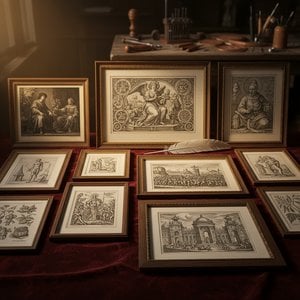
Luiken’s most celebrated achievement is undoubtedly his extensive series of engravings for the 1685 edition of the *Martyrs Mirror*, a compilation of accounts detailing the lives and deaths of Christian martyrs throughout history. This monumental project, comprising 104 copper etchings, showcases Luiken's technical prowess and artistic sensitivity. He didn’t simply reproduce historical events; he imbued each scene with profound emotional resonance. Consider his depiction of Polycarp’s burning in Smyrna – a harrowing image of unwavering faith confronting brutal persecution. The composition is meticulously detailed, capturing the terror and dignity of the condemned saint, while simultaneously conveying the horror of the act itself. These engravings weren't merely illustrations; they were carefully constructed narratives designed to inspire reflection on the virtues of sacrifice and steadfastness in the face of adversity.
Beyond Martyrdom: Portraits of Trades and Everyday Life
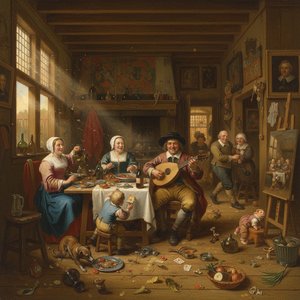
While Luiken is primarily remembered for his religious works, he also produced a significant body of work depicting scenes from everyday life, often framed within a moralistic context. His 1694 publication, *Het Menselyk Bedryf* (The Book of Trades), offered a series of engravings illustrating various professions – blacksmiths, carpenters, weavers, and more. Each image was accompanied by a brief moral commentary, subtly guiding the viewer towards virtuous conduct and responsible citizenship. This dual role as both artist and moralist reveals Luiken’s deep engagement with the social and ethical concerns of his era. Works like “Torture of Tharacus, Probus, and Adronicus” demonstrate his ability to portray historical events with dramatic intensity while simultaneously conveying a message about justice and suffering.
Legacy and Influence
Johannes Luiken’s work continues to resonate today, largely due to its emotional honesty and enduring relevance. His engravings offer a poignant glimpse into the religious beliefs and moral values of 17th-century Amsterdam. The artist's ability to capture both the physical details and the psychological complexities of his subjects has earned him recognition from various sources, including Joris-Karl Huysmans’ anti-hero Des Esseintes in *À rebours*, who admired Luiken’s “uncommon sincerity.” Luiken’s legacy extends beyond the art world; his moralistic poetry served as a source of inspiration and guidance for countless individuals during a period marked by religious upheaval and social change. His work stands as a powerful reminder of the enduring importance of faith, compassion, and the pursuit of virtue.