Ingen, 1592 – 1673

6 nejznámějších obrazů autora Ingen

Obrazem, díky němuž se Ingen stal slavným, je Calligraphy of the Character (1671); visí v Museum of Zen Buddhist Culture v místě Setagaya. Poem (1671) a Untitled (D2XAZQ) (701) následují v srdcích sběratelů i návštěvníků muzeí. Z 6 děl umělce Ingen v našem katalogu je těchto 6 nejoblíbenějších, z nichž každé je uvedeno s datem vzniku, muzeem a unikátními rysy.

Seřazeno podle našeho skóre popularity, které kombinuje počet vyhledávání, návštěv a objednávek u každého díla. Aktualizováno listopad 2026. Každé dílo na této stránce lze objednat jako ručně malovanou olejovou reprodukci v muzeální kvalitě nebo jako umělecký tisk v požadovaném rozměru.

Portrét Ingen
Ingen · 1592 – 1673
Narození · úmrtí
1592 – 1673, Fuqing
Díla v našem katalogu
6
Nejslavnější
Calligraphy of the Character (1671)
Nejvíce děl v muzeích
Museum of Zen Buddhist Culture

Ingen: deset mistrovských děl

Calligraphy of the Character (1671) od Ingen
1

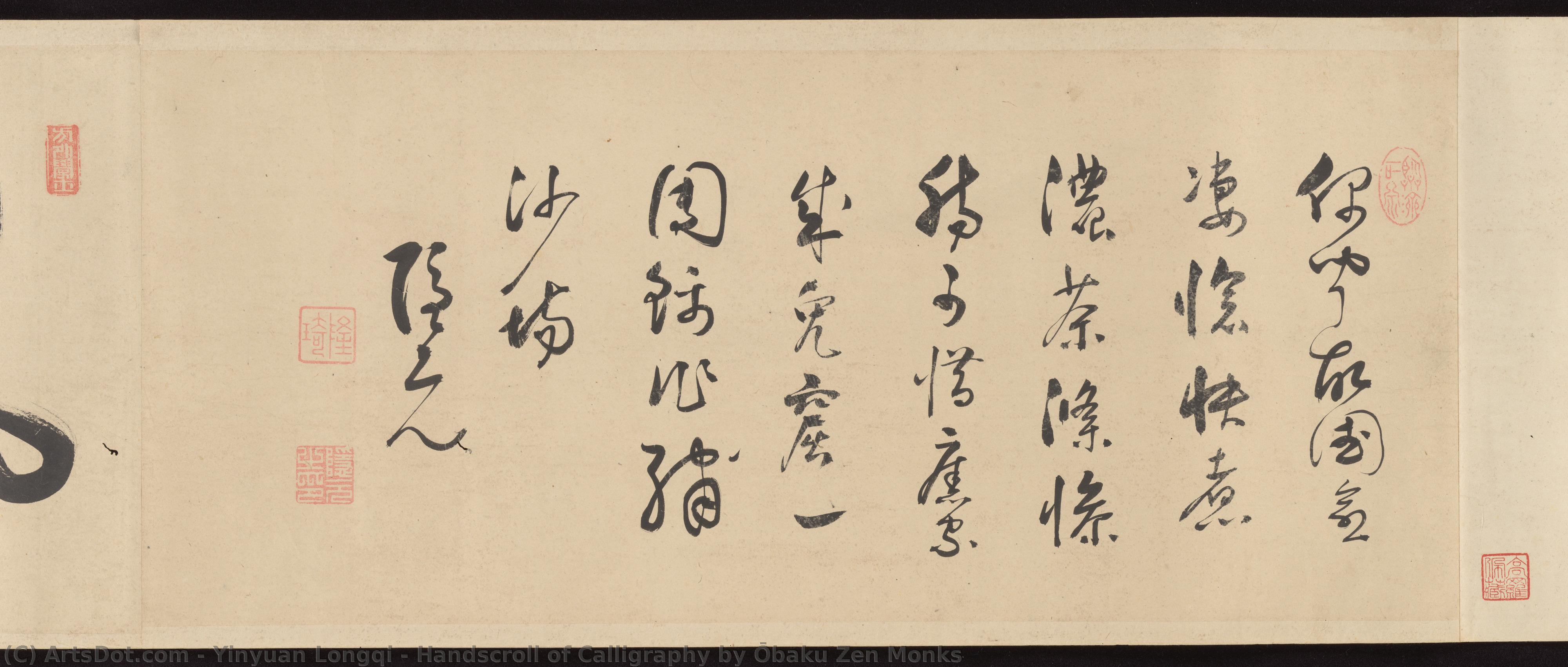
Calligraphy of the Character

1671 · Ink On Paper · Museum of Zen Buddhist Culture, Setagaya

In the delicate dance of black ink upon aged paper, one finds not merely writing, but a profound meditation on existence. Calligraphy of the Character, a masterpiece dating back to 1671, serves as a breathtaking window into the soul of the Ming Dynasty's spiritual legacy. Created by the venerable monk and poet Yinyuan Longqi, this work transcends the boundaries of mere text to become a visual symphony of rhythm and…

Ručně malovaná olejná reprodukce od $181 41 × 24 cm
Poem (1671) od Ingen
2

Poem

1671 · Ink On Paper · Museum of Zen Buddhist Culture, Setagaya

In the quiet intersection of spiritual devotion and artistic mastery lies the profound beauty of "Poem," a breathtaking work of calligraphy created in 1671 by the venerable monk Yinyuan Longqi. To gaze upon this piece is to step into a meditative trance, where every stroke of black ink serves as a rhythmic pulse of Zen philosophy. The artwork, currently preserved within the hallowed halls of the Museum of Zen Buddhist…

Ručně malovaná olejná reprodukce od $181 36 × 28 cm

Témata, která Ingen maloval nejčastěji

Čtyři témata, která se v těchto dílech objevují nejčastěji, spolu s nejlepším příkladem každého z nich.

Kde vidět obrazy autora Ingen

Muzeum s největším počtem obrazů na této stránce.

Muzeum Město Díla autora Ingen Obrazy z tohoto seznamu
Museum of Zen Buddhist Culture, SetagayaMuseum of Zen Buddhist Culture Setagaya 5 Calligraphy of the Character, Poem, Poem

Ingen, dekáda po dekádě: klíčové dílo každého období

  1. 1650s
    Poem (1656) od Ingen
    4 z 6

    Poem

    Věk 58 – 67 · Museum of Zen Buddhist Culture
  2. 1660s
  3. 1670s
    Calligraphy of the Character (1671) od Ingen
    Pořadí 1 z 6

    Calligraphy of the Character

    Věk 78 – 81 · Museum of Zen Buddhist Culture

    In the delicate dance of black ink upon aged paper, one finds not merely writing, but a profound meditation on existence. Calligraphy of the Character, a masterpiece dating…

Díla mistrovská umělce Ingen: otázky a odpovědi

Kterým obrazem je Ingen nejznámější?Zobrazit odpověď

Calligraphy of the Character (1671), Museum of Zen Buddhist Culture, Setagaya. Následují Poem (1671) a Untitled (D2XAZQ) (701).

Kolik let bylo Ingen, když maloval/a Calligraphy of the Character?Zobrazit odpověď

79 let: dílo Calligraphy of the Character pochází z roku 1671 a Ingen se narodil/a v roce 1592.

Kolik děl namaloval/a Ingen?Zobrazit odpověď

Náš katalog obsahuje 6 děl autora Ingen z let 1655 až 1671.

V kterých muzeích mohu vidět díla mistrovská umělce Ingen?Zobrazit odpověď

Většina z nich se nachází v Museum of Zen Buddhist Culture (Setagaya). V tabulce výše jsou jednotlivé muzea uvedeny postupně.

Kdy Ingen namaloval svá díla?Zobrazit odpověď

V období 1650s: 2 z 6 děl na této stránce pochází z tohoto období, z nich Poem.

Jaká jsou první a poslední slavná díla umělce Ingen?Zobrazit odpověď

Nejstarší dílo na této stránce pochází z Seven-character Quatrain (1655), nejnovější z Calligraphy of the Character (1671).

Kterou techniku Ingen upřednostňoval/a?Zobrazit odpověď

Ink On Paper: 3 z 6 děl na této stránce.

Která díla od Ingen jsou vystavena v Museum of Zen Buddhist Culture?Zobrazit odpověď

Calligraphy of the Character, Poem a Poem patří mezi 5 děl na této stránce, která má v zastarání Museum of Zen Buddhist Culture, Setagaya.

Mohu vlastnit reprodukci díla mistra Ingen?Zobrazit odpověď

Ano. Každý obraz na této stránce lze objednat jako ručně malovanou olejovou reprodukci v muzeální kvalitě nebo jako umělecký tisk v požadovaném rozměru přímo z jeho vlastní stránky.

Život umělce Ingen

biography of a visionary artist

yinyuan longqi, also known as ingen ryūki, was a prominent chinese poet, calligrapher, and monk of linji chan buddhism from china. born on december 7, 1592, in fuqing, fujian, during the ming dynasty, yinyuan's life was marked by his significant contributions to the world of art and zen buddhism.

early life and ordination

at the age of 20, while searching for his father, yinyuan arrived at mount putuo off zhejiang province, where he served tea to monks. this encounter sparked a spiritual journey that led him to be ordained as a monk at wanfu temple, mount huangbo, fujian, at the age of 28.

founding the ōbaku school of zen in japan

in 1654, yinyuan traveled to nagasaki, japan with around 30 monks and artisans, including his disciple muyan. he established the ōbaku head temple manpuku-ji at uji, kyoto in 1661, founding the ōbaku school of zen.

calligraphy and artistic legacy

yinyuan was a skilled calligrapher, introducing the ming style of calligraphy to japan. along with his disciples muyan and sokuhi nyoitsu, he was one of the ōbaku no sanpitsu ("three brushes of ōbaku"). his published writings encompass 35 works in 46 publications.

legacy and remembrance

yinyuan passed away on may 21, 1673 (enpō 1, 5th day of the 4th month), at mampuku-ji. his legacy as a master of poetry, calligraphy, and zen buddhism continues to inspire artists and scholars alike. important dates: * december 7, 1592: born in fuqing, fujian * 1633: received dharma transmission from feiyin tongrong * 1654: traveled to nagasaki, japan with around 30 monks and artisans * may 21, 1673: passed away at mampuku-ji