BEZPLATNÉ UMĚLECKÉ PORADENSTVÍ

x

Stručné informace

  • Nationality: Austrálie
  • Top-ranked work: The Hawthorn path
  • Top 3 works: The Hawthorn path
  • Works on APS: 1
  • Lifespan: 83 years
  • Více…
  • Art period: 19. století
  • Died: 1945
  • Born: 1862, Austrálie
  • Copyright status: Public domain

Kvíz o umění

U každé otázky je pouze jedna správná odpověď.

Otázka 1:
Kde se narodila Henrietta Maria Gulliverová?
Otázka 2:
Jaký druh umění Henrietta Maria Gulliverová nejvíce propagovala?
Otázka 3:
Henrietta Maria Gulliverová zemřelá v roce?
Otázka 4:
Můžete najít informace o Henrietta Mariině Gulliverové uměleckých působách?
Otázka 5:
Jaký obraz Henrietta Maria Gulliverová vytvořila, který lze nalést v kostele Santa Maria la Mayor?

Henrietta Maria Gulliver: A Landscape Painter Lost to Time

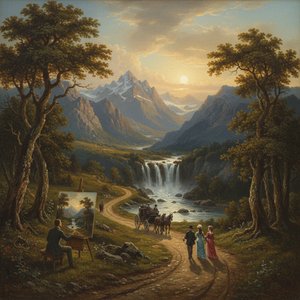
Henrietta Maria Gulliver (1866–?) remains a figure shrouded in artistic obscurity, an Australian painter whose evocative landscapes hold a quiet beauty that belies the paucity of biographical information. Despite limited documentation concerning her life and career, Gulliver’s work speaks for itself—primarily through “The Hawthorn Path,” a captivating depiction housed within the Church of Santa Maria la Mayor in Andujar, Spain. This single masterpiece offers invaluable insight into her artistic sensibilities and contributes to our understanding of Australian art during the late nineteenth century. Early Life & Artistic Training: Precise details about Gulliver’s upbringing are scarce. Records indicate she was born in Australia around 1862, though specifics regarding her family background and formal artistic education remain elusive. It is believed that she honed her skills independently, absorbing influences from the burgeoning Impressionist movement prevalent across Europe. Her dedication to capturing natural beauty suggests a profound connection with the Australian landscape—a fascination that would undoubtedly shape her artistic vision. The Hawthorn Path: A Study in Light & Texture: “The Hawthorn Path” exemplifies Gulliver’s distinctive approach to landscape painting. Executed with meticulous attention to detail and masterful use of color, the artwork captures a serene scene—likely a rural Australian vista—bathed in dappled sunlight. The artist skillfully employs textured brushstrokes to convey the rustling foliage and rough bark of hawthorn trees, creating an immersive experience for the viewer. This technique—characteristic of Impressionism—allowed Gulliver to translate the ephemeral qualities of light onto canvas, resulting in a piece that transcends mere representation and aspires to evoke emotion. Influences & Artistic Style: Gulliver’s style aligns closely with Impressionism, characterized by its emphasis on capturing fleeting moments of light and atmosphere. Like many artists of her era, she drew inspiration from plein air painting—working outdoors directly from nature—a technique championed by luminaries such as Claude Monet and Pierre-Auguste Renoir. This commitment to observing the natural world firsthand speaks volumes about Gulliver’s artistic philosophy and underscores her place within the broader context of European art history. Her canvases resonate with a palpable sense of immediacy, mirroring the spirit of Impressionist painters who sought to capture the essence of their surroundings. Notable Achievements & Legacy: While Gulliver’s oeuvre remains limited—primarily consisting of “The Hawthorn Path”—its inclusion in Santa Maria la Mayor serves as a testament to her artistic merit and ensures its preservation for future generations. Furthermore, her participation in the Twenty Melbourne Painters Society solidified her position as a prominent figure within the Australian art community. Her legacy resides not merely in her paintings themselves but also in their embodiment of the Impressionist ideal—a celebration of beauty found in everyday life and an unwavering devotion to capturing the fleeting brilliance of natural light. The enduring appeal of “The Hawthorn Path” continues to inspire admiration for Gulliver’s artistic vision and contribution to Australian art history. Further Exploration: Interested in delving deeper into the context of Australian landscape painting during Gulliver’s time? Explore Museo Santa Maria della Carità in Bologna, Italy – a testament to Renaissance art—and consider visiting Ospedale di Santa Maria Nuova in Florence for a glimpse into Bolognese Baroque artistry.