Zapomenutý mistr Belle Époque: Život a umění Giuseppa Amisaniho
Giuseppe Amisani, jméno, které bylo až do nedávné doby z velké části vynecháno z hlavních dějin umění, byl významnou postavou během živé italské éry Belle Époque. Narodil se 7. prosince 1881 v Medello di Lomellina poblíž Pavie v Lombardii a vyvinul se v oslavovaného portrétního malíře, jehož plátna zachytila eleganci a společenský status tehdejší špičky. Samotné město později vzdalo čest svému rodákovi přejmenováním Piazza Mercato na Piazza Giuseppe Amisani – což je důkaz úcty, kterou si za svého života těžil. Jeho cesta začala pokusem o technické studia v Pavii, ale neúspěšný kurz kreslení ho přesměroval k čistě uměleckým ambicím. Skutečné povolání našel v posvátných sálech milánské Accademia di Brera, kde si zdokonaloval své schopnosti pod vedením Cesara Talloneho a Vespasiana Bignamiho. Toto formální vzdělání položilo základy jeho kariéry, kterou definovala rafinovaná technika a bystré porozumění lidské povaze.Stoupající uznání a mezinárodní obzory
Amisaniho talent si rychle získal uznání, což byl potvrzen triumfem v roce 1908 se prestižní cenou Mylius za dílo *L'eroe* („Hrdina“). Tento raný úspěch byl o několik let později ještě upevněn – v roce 1911 či 1912 – kdy získal cenu Fumagalli za figurativní malbu díky svému působivému portrétu slavné herečky Lydy Borelli. Tyto pocty ho vystřihly do světla reflektorů a ugruntovaly jeho postavení vyhledávaného portrétisty milánské vysoké společnosti. Jeho styl v tomto období byl charakteristický svěžestí a elegancí, schopností zachytit nejen podobu, ale i samotnou podstatu svých subjektů. Amisaniovy ambice však sahaly daleko za hranice Itálie. Vydal se na rozsáhlé cesty, které hluboce ovlivnily jeho uměleckou vizi. Lata strávená v Argentině a Brazílii ho vystavila novým kulturám a krajinám, zatímco návštěvy Anglie, Francie, severní Afriky a Spojených států rozšířily jeho perspektivu a vnesly do jeho díla kosmopolitní cit. Tyto zkušenosti byly víc než jen pouhou pozorování; staly se nedílnou součástí jeho umělecké identity a ovlivnily jak téma, i techniku.Portrétista králů i prostých lidí
V Amisaniově díle dominuje portrétní malba, která odráží požadavky a vkus jeho klientely. Disponoval neuvěřitelnou schopností vykreslit jednotlivce ze všech vrstev – od významných průmyslníků jako Michele Bernocchi (193ること) a Davide Lanfranconi (1941), až po umělecké osobnosti, jako byla Lyda Borelli, jejíž portrét dnes zdobí Muzeum umění v São Paulu v Brazílii. Jeho mistrovské dílo *La Teletta* sídlí v Galerii moderního umění v Miláně a ukazuje jeho schopnost zachytit jak fyzický vzhled, tak psychickou hloubku. V roce 1924 obdržel královskou zakázku na zdobení Ras al-Tin, paláce Fuada I. egyptského, kde na plátno nesmrtelil mladého prince Faruka – což je svědectvím o jeho mezinárodní povědomí a umělecké zdatnosti. Kromě portrétů Amisani prozkumával také krajinní malbu inspirovanou svými cestami, vytvářel evokativní scény z italských Alp, Rodu či Tunisu. Jeho účast na výstavách, jako byla dvanáctá Mezinárodní výstava umění ve městě Benátky (Benálecký bienále) v roce 1920, spolu s výstavami v Londýně a Florencii, dále upevnila jeho postavení v evropském uměleckém světě.Objevování znovu a odkaz
Navzdory značnému úspěchu za svého života se Amisaniho dílo po jeho smrti 8. září 1941 v Portofinu dostalo do relativního zapomnění. Jeho jméno zmizelo z hlavních uměleckých referencí a jeho přínos byl po půl století z velké části zapomenut. Tento neglect lze snadno přisuzovat jeho záměrnému rozhodnutí zůstat v rámci tehdejších ustálených uměleckých konvencí a vyhnout se radikálnímu experimentování proudů jako futurismus či kubismus. Orientoval se podle preferencí svých patronů, upřednostňoval realismus a detailní reprezentaci před avantgardní inovací. Nicméně retrospektivní výstava v Castello Sforzesco ve Vigevanu v roce 2008 vyvolala obnovený zájem o jeho umění a po desetiletí zapomnění vrátila jeho obrazy do veřejného vědomí. Toto znovuobjevení odhalilo umělce hluboce zakořeněného v tradici italské renesance – ovlivněného mistry jako Michelangelo či Rafael svou pečlivou pozorností k detailu a realistickým zobrazením lidské formy – a přitom jedinečně naladěného na eleganci a bohatství Belle Époque. Příběh Giuseppa Amisaniho slouží jako dojmové připomínání, že umělecká hodnota může být někdy zastíněna proměnlivým vkusem a historickými proudy, ale skutečný talent nakonec přetrvá.Umělecké charakteristiky
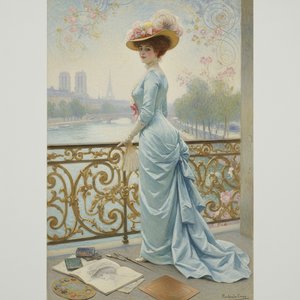
Amisaniho malba je charakteristická svou technickou brilancí a rafinovanou estetickou citlivostí. Jeho portréty nejsou pouhou reprezentací fyzické podoby; jsou to hluboké studie charakteru a společenského postavení. Používal světlistou paletu a mistrovské tahy štětcem, aby zachytil textury látek, nuance tónů pleti a jemné výrazy, které odhalují vnitřní život jeho subjektů. Přestože uznával umělecké proudy své doby, Amisanci zůstal věrný tradičním technikám, upřednostňující realismus a detailní pozorování.- Jeho krajiny, byť méně početné než portréty, vykazují podobnou pozornost k detailu a atmosférické perspektivě.
- Mistrovsky propojoval prvky impresionismu s klasickou citlivostí a vytvářel díla, která jsou vizuálně i intelektuálně poutavá.
- Amisaniovo umění odráží hodnoty a aspirace Belle Époque – období charakterizované optimismem, prosperitou a oslavou krásy.
Otázky a odpovědi
Jak se umění umělce Giuseppe Amisani v čase vyvíjelo?
Chronologický přehled tvorby umělce Giuseppe Amisani naleznete na jeho stránce Kronika umělce, kde jsou díla uspořádána podle jejich vzniku v jednotlivých kapitolách.
Je k dispozici 3D virtuální prohlídka děl umělce Giuseppe Amisani?
Díla umělce Giuseppe Amisani si můžete prohlédnout v 3D galerii na jeho stránce 3D galerie.
Existuje kompletní seznam děl umělce Giuseppe Amisani?
Veškerá díla umělce Giuseppe Amisani na tato webová stránka si můžete prohlédnout na jeho stránce Všechná umělecká díla.