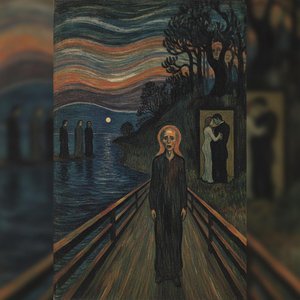
Gerhard Peter Frantz Munthe: Vizionář norského folklóru a secese
Gerhard Peter Frantz Munthe (1849–1929), jméno, které je synonymem pro evokativní krásu Norska, byl víc než jen malířem; byl kronikářem duše svého národa. Narodil se v Elverumu v Hedmarku, v rodině lékaře a kulturní matky hluboce zasazené do literární tradice, jehož život se odvíjel jako harmonická směs umělecké vášně, rodinného dědictví a hlubokého spojení s krajinou i legendami jeho vlasti. Jeho dílo, charakterizované bohatým symbolismem, zemitými tóny a mistrovským ztvárněním norského folklóru, ho pevně ugruntovalo jako jednoho z nejvýznamnějších norských umělců pozdního 19. a počátku 20. století a i dnes rezonuje s sběrateli prostřednictvím ručně malovaných reprodukcí od WahooArt.Raný život a umělecké vzdělání
Umělecká cesta Gerharda Muntheho začala v roce 1870 pod vedením Johana Fredrika Eckersberga v Christianii (dnešní Oslo). Toto počáteční vzdělání položilo základy v oblasti klasického realismu, avšak skutečné povolání Muntheho spočívalo v zachycení samotného ducha Norska. Do roku 1874 pokračoval ve svých studiích u Mortena Müllera a Knuda Bergsliena, než se v letech 1874 až 1876 vydal na období intenzivního studia v Düsseldorfu pod vedením Andrease Achenbacha a svého bratrance Ludviga Muntheho. Tento kontakt s německými uměleckými tradicemi rozšířil jeho technické dovednosti a zároveň posílil jeho touhu vykreslit jedinečný charakter Norska. Klíčovým aspektem této rané výchovy bylo vštípení hlubokého porozumění pro naturalismus – závazek k přesnému zobrazení světa takového, jak ho viděl, zejména jeho drsné krásy a hluboké spirituality norské krajiny.Muntheho odlišný styl: Folklór, symbolismus a secese
Umělecký styl Gerharda Muntheho se během jeho kariéry zásadně vyvíjel a odrážel jak jeho osobní zkušenosti, tak tehdejší převládající trendy. Počátečně ovlivněn naturalismem, postupně začal přijímat prvky secese, která je charakteristická plynulými liniemi, organickými tvary a dekorační intenzitou. V srdci jeho tvorby však zůstávala hluboká vazba na norský folklór a mytologii. On nepopisoval pouze scény; on překládal legendy do vizuálních narativů a obaloval je emocionální hloubkou a symbolickým rezonancí. Díla jako „Åsmund a princezna cestující domů“ (1904) tento přístup dokonale ilustrují – jde o dramatické dílo inspirované iluminovanými rukopisy, které prolíná hrdinskou bitvu s dojmovým vyprávěním, bohatým na detaily a zemitými tóny. Tapiserie „Pátý síní“ dále demonstruje jeho schopnost vtáknout komplexní příběhy do vizuálně ohromujících kompozic.Ilustrace pro Snorriho Sturlasona a mnohem více
Zlomovým okamžikem v Muntheho kariéře byla jeho spolupráce s Erikem Werenskioldem na ilustracích k dílu *Prose Edda* od Snorriho Sturlasona. Tento ambiciózní projekt, realizovaný v letech 1896 až 1899, upevnil jeho pověst mistra vizuálního vyprávění a dokázal jeho schopnost zachytit epický rozsah i hluboký symbolismus severské mytologie. Tyto ilustrace nebyly pouhými reprodukcemi; šlo o hluboké reinterpretace, prostoupené Muntheho vlastní uměleckou vizí a hluboce zakořeněné v jeho porozumění norské kultuře. Jeho precizní pozornost k detailu, v połąčení s mistrovským využitím barvy a kompozice, proměnila tyto prastaré legendy v živá a přístupná díla umění.
Odkaz a uznání
Umělecký přínos Gerharda Muntheho se rozprostíral daleko za rámec plátna. Byl ctěným členem prestižní výstavy Høstutstillingen (Podzimní expozice), která sloužila jako klíčová platforma pro tehdejší norskité umělce, kde působil ve výběrové komisi od roku 1882 až do roku 1905. Jeho angažovanost v kultuře se projevovala i skrze významné funkce v Národní galerii Norska a v organizaci Den norske Husflidsforening, čímž vykazoval hluboké oddání podpoře uměleckého rozvoje své vlasti. Dnes je jeho dílo uznáváno jako nezbytná součást národního dědictví a jeho významné práce jsou trvale uloženy v kolekcích Národní galerie Norska. Navíc je vliv Gerharda Muntheho patrný i v oblasti dekorativního umění, zejména díky jeho zásadní roli při vytváření monumentálních tapiserií, které zdobily veřejné prostory i soukromá sídla. Jeho odkaz tedy žije nejen skrze jeho malby, ale především díky nesmrtelné schopnosti zachytit ducha a samotnou duši Norska – což je dokonalý výkon, který je krásně uchopen a věrně reprodukován na WahooArt.com.
Otázky a odpovědi
Jaké barvy používal/a Gerhard Munthe nejčastěji?
Stránka Genom palety umělce Gerhard Munthe představuje barevný profil celkového díla tohoto tvůrce.
Jak mohu si prohlédnout všechna umělecká díla umělce Gerhard Munthe?
Veškerá díla umělce Gerhard Munthe na tato webová stránka si můžete prohlédnout na jeho stránce Všechná umělecká díla.
Mohu si prohlédnout díla umělce Gerhard Munthe podle uměleckých směrů?
Stránka Všechna umělecká hnutí seskupuje díla umělce Gerhard Munthe podle jednotlivých uměleckých směrů.