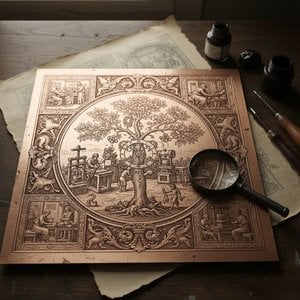
a pioneer in etching and painting
george cuitt the younger, a prominent figure in british art, left an indelible mark on the world of etching and painting. born in 1779 at richmond, yorkshire, he was the only son of
george cuitt the elder, a painter by profession. this lineage not only influenced his career choice but also paved the way for his future success.
early life and training
cuitt's artistic journey began with following in his father's footsteps, learning the intricacies of painting from a young age. however, he took it a step further by mastering the art of etching, inspired by
piranesi's 'roman antiquities'. this careful study not only honed his skills but also led to significant success in his chosen field.
notable works and contributions
- **teaching and publication**: cuitt's tenure as a drawing teacher in chester marked the beginning of his publishing career, with the release of
six etchings of saxon and other buildings remaining at chester,
six etchings of old buildings in chester, and
six etchings of picturesque buildings in chester between 1810 and 1811. his work on a history of chester in 1815 further solidified his reputation. - **later life and collected works**: after realizing a certain competence, cuitt retired from active duties around 1820, building a house at masham, near richmond. here, he published
yorkshire abbeys and later, in 1848, his collected works under the title
wanderings and pencillings amongst the ruins of olden times.
legacy and impact
cuitt's etchings are characterized by their talent, verve, originality, and truth. his death in 1854 at masham marked the end of an era but left behind a legacy that continues to inspire artists.
- key takeaways: - a pioneer in etching and painting. - influenced by piranesi's 'roman antiquities'. - published numerous works, including 'wanderings and pencillings amongst the ruins of olden times'.
- relevant links: - george cuitt the younger on WahooArt. - wikipedia for more on british artists.
- notable mentions: - george cuitt the elder, his father and a painter. - piranesi's 'roman antiquities', an influence on his work.
conclusion
george cuitt the younger's life is a testament to the power of dedication and innovation in art. his legacy, though rooted in the past, continues to inspire and educate artists and art enthusiasts alike, making him a timeless figure in british artistic history.