Gennaro Greco: Architect of Illusion and Baroque Vision
Gennaro Greco (1663 – 1714) stands as a singular figure within the vibrant tapestry of Italian Baroque art, primarily recognized for his breathtaking Architectural Capriccios—a genre that elevated landscape painting to new heights of expressive artistry. Born in Naples, Greco’s formative years coincided with the flourishing artistic fervor of the Bourbon dynasty, shaping his aesthetic sensibilities and propelling him towards a distinguished career as a painter and architect. While overshadowed by contemporaries like Caravaggio and Rembrandt, Greco's distinctive style—characterized by meticulous detail, atmospheric perspective, and an almost hallucinatory blend of reality and fantasy—continues to captivate audiences today.
- Early Life & Training: Greco’s artistic inclinations were nurtured under the tutelage of Giuseppe Cesaro, a prominent Neapolitan painter who instilled in him a foundational understanding of classical principles and humanist ideals. This grounding proved invaluable as Greco embarked on his artistic journey, honing his skills through commissions for ecclesiastical patrons and developing an unwavering devotion to capturing the sublime beauty of the Italian countryside.
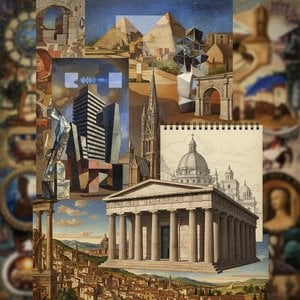
- Architectural Capriccio: A Revolutionary Genre Greco’s contribution to art history rests principally upon his pioneering exploration of Architectural Capriccio—a genre that emerged in Naples during the mid-17th century. Unlike traditional landscape paintings focused on accurate representation, Capriccios deliberately distorted spatial relationships and incorporated architectural elements—often ruins or fantastical structures—to evoke a profound sense of drama and contemplation. These canvases weren’t merely depictions of places; they were meticulously crafted illusions designed to transport viewers into realms beyond the tangible world.
- Notable Works & Artistic Style: Greco's oeuvre boasts an impressive collection of Capriccios, including “The Ruins of Pompeii,” “The Villa at Tivoli” and “The Temple of Jupiter Fulgurinum.” His technique—marked by painstaking brushwork, subtle tonal gradations, and masterful use of atmospheric perspective—created a palpable illusion of depth and luminosity. Greco’s compositions frequently employed pyramidal structures to convey grandeur and stability amidst the chaotic beauty of nature, reflecting the Baroque fascination with dynamism and emotional intensity.
- Influences & Artistic Legacy: Greco's artistic vision drew inspiration from Correggio and Andrea Pozzo—masters of illusionistic painting who championed the theatrical presentation of religious narratives. These influences underscored Greco’s commitment to elevating art beyond mere visual pleasure, aiming instead for a transformative experience that stirred the soul. Though his output was relatively modest compared to other Baroque artists, Greco's Architectural Capriccios remain among the most celebrated achievements of the genre—a testament to his artistic genius and enduring influence on subsequent generations of painters.
- Recognition & Historical Significance: Greco’s work gained considerable acclaim during his lifetime, securing him positions as architect of several churches in Naples and Salerno. His architectural endeavors further solidified his reputation as a visionary artist who seamlessly blended artistic creativity with structural innovation. Today, Greco's paintings are housed in museums across Europe—including the Museo di Napoli Nazionale—where they continue to inspire admiration for their breathtaking beauty and profound psychological depth. He is remembered not merely as a painter but as an architect of illusion—a craftsman who transformed landscapes into immersive narratives that encapsulate the spirit of the Baroque era.
WahooArt’s commitment to preserving artistic heritage ensures that Greco's legacy endures.