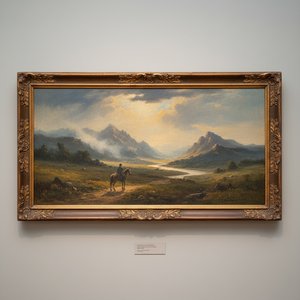
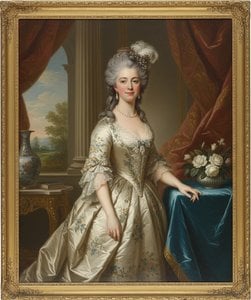
Dramatická vize Francise Haymana
V živobném a neustále se měnícím světě britského umění eighteenth století обладаovalo jen málo postav tak všestranným brilantním talentem jako Francis Hayman. Narodil se v Exeteru v roce 1708 a Hayman svou éru kulturní evoluce pouze nesledoval; on aktivně utvářel její vizuální jazyk. Jeho cesta začala daleko od vytříbených londýnských galerií, kořeny však byly hluboko v pomíjivém a vzrušujícím světě divadelní scenografie. Tato raná imerze do dramatických umění mu poskytla jedinečnou výhodu a vštíplila mu hluboké porozumění kompozici, světlu a narativnímu napětí, které později definovalo jeho mistrovství v rokokovém stylu. Když se transformoval z malíře kulis na nezávislého umělce v ulici St Martin's Lane, přinesl si s sebou duši vyprávěče, schopnou proměnit statické plátno v okno do okamžiku divadelního představení.
Estetická podstata Haymanovy tvorby je hluboce protkaná s hnutím rococo, érou charakterizovanou grácií, ornamentem a určitou lehkou elegancí. Čerpaje inspiraci z bohatých francouzských mistrů, jako byl François Boucher, Hayman přijal paletu jemných pastelových barev a plynulých, rytmických tahů štětcem. Jeho dílo však nikdy nebylo čistě dekorativní; disponovalo strukturální integritou vycházející z klasických ideálů. Díky svému spojení s rostoucími intelektuálními kruhy Londýna dokázal integrovat smysl pro proporce a formu, což umožnilo jeho portrétům překročit pouhou podobnost a zachytit samotnou podstatu charakteru a společenského postavení.
Odkaz Královské akademie a mistrovství vyprávění
Historický význam Haymana je ukotven v jeho zakladatelské roli při vzniku Královské akademie. Jako jeden z jejích zakladatelů a první knihovník této instituce pomohl položit základy profesionálních uměleckých standardů v Británii. Tato pozice vlivu mu umožnila překlenout propast mezi populární, často hlučnou zábavou davů a vznešenými ambicemi akademické elity. Jeho schopnost pohybovat se těmito odlišnými světy je nejlépe patrná v jeho rozmanité tvorbě, která sahá od monumentálních děl až po ty nejintimnější.
Jeho umělecký repertoár byl neuvěřitelně rozsáhlý a projevoval talent, který dokázal s naprostou lehkostí přecházet mezi různými žánry:
- Divadelní a literární scény: Hayman disponoval vzácnou schopností vdechnout literatuře život, vytvářel evokativní zobrazení Shakespearova dramatu a živé scény z Don Quijota, jako je nadšený okamžik, kdy hostinský pasuje rytíře.
- Portrétní malba: Stal se vyhledávaným kronikářem své doby, zachycujícím charizmu legendárních herců, jako byl David Garrick, i aristokratickou eleganci postav jako Dr. Charles Chauncey, MD.
- Dekorativní zakázky: Jeho práce pro zahradu Vauxhall Pleasure Gardens demonstrovala jeho schopnost velkéhoformního vyprávění, kde využíval umění k posílení smyslového zážitku veřejnosti z relaxace a radosti.
- Biblická a mytologická témata: Skrze díla jako Dobrý Samaritán využil Hayman svou rokokovou citlivost k prozkoumávání hlubokých témat soucitu, charity a božské interakce.
V konečném důsledku byl život Francise Haymana svědectvím o síle vizuálního vyprávění. Propojením divadnosti scény s vytříbenou elegancí rokokového stylu vytvořil dílo, které zůstává živým oknem do éry osvícenství. Jeho odkaz přetrvává nejen v plátnech, která nesou jeho jméno, ale i v samotné struktuře britské dějin umění, čímž si svou pozici zajistil jako skutečný průkopník, který pomohl pozvednout status malíře z pouhého řemeslníka na akademického mistra.
Otázky a odpovědi
Jak najdu díla umělce Francúz Hayman na konkrétní téma?
Chcete-li najít díla umělce Francúz Hayman na konkrétní téma, navštivte jeho stránku Podle klíčových slov, kde jsou umělecká díla seskupena podle klíčových slov.
Která umělecká díla umělce Francúz Hayman mají nejvyšší počet zhlédnutí?
Statistiky o dílech umělce Francúz Hayman naleznete na jeho profilové stránce Statistiky.
Je k dispozici 3D virtuální prohlídka děl umělce Francúz Hayman?
Možná je i virtuální prohlídka: na stránce 3D galerie umělce Francúz Hayman můžete obdivovat jeho díla v trojrozměrné galerii.