Život zakořeněný v řemesle: Raná léta Edwarda Birda
V roce 1772, v průmyslovém srdci Wolverhamptonu, se začala psát umělecká cesta Edwarda Birda, která však nevznikla mezi plátny a oleji, nýbrž v praktickém světě truhlářské dílny svého otce. Toto zakořenění v řemeslné práci se ukázalo jako nečekaně formativní. Jako mladý učeň v technice japanningu – dekorativního lakování – si mladý Edward zdokonaloval své schopnosti při malování vzorných motivů na čajové podnosy, což byl minuciosní proces vyžadující preciznost a cit pro detail. Právě tato raná disciplína, tak vzdálená velkolepým historickým narativům, které později přijal, položila základy jeho umělecké budoucnosti. V roce 1794, v snaze o širší obzory, se Bird přestěhoval do Bristolu, tehdejšího rozkvétajícího přístavního města s pulzujícím kulturním životem. Zde se oženil s Marthou Dodrell a rozpocal svou dráhu nezávislého umělce, přijímající zakázky od intimních portrétů až po ilustrační práce pro knihy a dekorativní malby pro místní kostely. Toto období bylo obdobím upevňování si postavení, kdy zdokonaloval svou techniku a začal se prosazovat v umělecké komunitě.Bristolská škola a umělecký rozkvět
Bristol se ukázal jako mnohem víc než jen místo obživy; stal se intelektuálním i tvůrčím krüziblem. Bird se rychle ocitl v samotném srdci toho, co se později mělo stát známé jako „Bristolská škola“ – neformálního kolektivu umělců, včetně Edwarda Villiersa Rippingille a Nathana Coopera Branwhite, spojených společným duchem experimentování a vzájemné podpory. Nebyla to formálně strukturovaná akademie, ale dynamická síť, kde se nápady volně šířily a umělecké hranice se jemně posouvaly. Klíčovým vztahem pro Birda bylo jeho přátelství s Georgem Cumberlandem, sběratelem umění a znalcem, jehož rozsáhlá knihovna a sbírka poskytly nepostradatelný přístup k bohatým uměleckým inspiracím. Cumberlandova patronáž otevřela dveře ke studiu děl starých mistrů, což formovalo Birdovy estetické smysly. Bristolská škola prosazovala naturalistický styl, upřednostňující svěží barevné palety a bystré pozorování každodenního života – vlastnosti, které se staly ochrannými znaky Birdovy tvorby a hluboce ovlivnily umělce jako Rippingille a později i Francise Danbyho. Pravidelné večerní skicování a exkurze do okolní krajiny podporovaly jak technické dovednosti, tak společnou uměleckou vizi.Uznání v Londýně a zvrat k historickým tématům
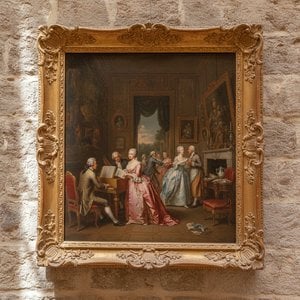
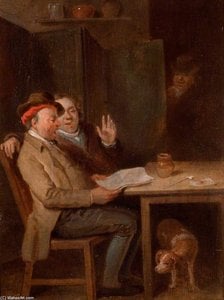
Rok 1809 znamenal v Birdově kariéře zlomový okamžik. Jeho dílo předložené Královské akademii, Dobrá novina, si okamžitě získalo pozornost; jeho poutavý příběh a mistrovská exekuce rezonovaly jak u kritiků, tak u patronů. Tento úspěch přinesl královské uznání, neboť Princ regent získal jeho obraz Venkovští zpěváčci a objednal si dílo Schovávaná s panenkou. Tyto zakázky nejen upevnily Birdovu pověst, ale poskytly mu i finanční stabilitu, která mu umožnila věnovat se ambicióznějším projektům. Začal přecházet k malbě historické, specializující se na dramatické bitevní scény – žánr, který vyžadoval jak technickou maestrii, tak silný smysl pro vyprávění. Díla jako Pole Chevy Chase a Den po bitvě demonstrovala jeho rostoucí schopnost zachytit intenzitu a emocionální váhu historických událostí. Tento vzestupující úspěch vyvrcholil významnými odměnami: zvolením za člena Královské akademie v roce 1812, jmenováním historickým malířem princezny Charlotte v roce 1813 a plnohodnotným členstvím v Královské akademii v roce 1815.Pozdní léta, odkaz a umělecký styl
Navzdory dosažení značného uznání byly Birdova pozdní léta stínena klesajícím zdravím a uměleckými výzvami. Jeho pokusy o velkoformátové historické malby se ukázaly být náročnějšími, než předpokládal, a snažil se udržet tempo svých dřívějších úspěchů. Zemřel 2. listopadu 1819 a zanechal po sobě rozmanitou tvorbu, která byla krátce po jeho smrti oslavena na retrospektivní výstavě v Bristolu. Edward Bird je připomínán jako klíčová postava britské dějin umění, zejména pro svůj přínos k rozvoji Bristolské školy a svou jedinečným schopnost spojit žánrovou malbu s historickými tématy. Jeho vliv přesáhl jeho bezprostřední kruh a inspiroval pozdější generace umělců, kteří přijali naturalismus a usilovali o zachycení autenticity každodenního života. Vlivy a umělecký styl:- Rané vlivy: Preciznost a dekorativní dovednosti zdokonalené technikami japanningu.
- Sbírka Georgese Cumberlanda: Kontakt s širokou škálou uměleckých stylů a mistrů, což rozšířilo jeho estetické obzory.
- Sir David Wilkie: Bird se původně snažil o konkurenci Wilkieově dominanci v žánrové malbě, přestože jejich vztah se vyvinul v komplexní rivalitu a vzájemný respekt.
- Umělecký styl: Charakterizovaný naturalismem, svěžími barvami a detailním zobrazením každodenního života i významných historických událostí. Mistrně kombinoval prvky žánrové a historické malby a vytvářel díla, která byla emocionálně působivá i technicky dokonalá.
Otázky a odpovědi
Mohu si prohlédnout díla umělce Edward Bird podle barevné palety?
Díla umělce Edward Bird si můžete prohlédnout podle barevné palety na jeho stránce Podle barevné palety.
Mohu si prohlédnout díla umělce Edward Bird podle klíčových slov?
Stránka Podle klíčových slov umělce Edward Bird seskupuje díla tohoto umělce podle jejich klíčových slov.
Kde mohu vidět barevný profil děl umělce Edward Bird?
Barevný profil děl umělce Edward Bird je zobrazen na stránce Genom palety.