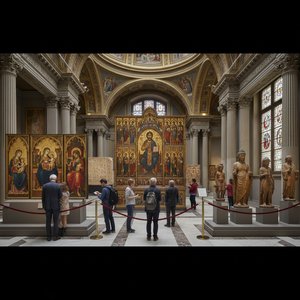
Edilberto Mérida Rodríguez (1927 – 2009): The Sculptor of Protest
Edilberto Mérida Rodríguez, born in San Cristóbal, Cusco, Peru, in 1927, stands as one of the most distinctive figures in Peruvian art history. His unique artistic vision—characterized by a masterful manipulation of clay and an unflinching portrayal of indigenous Andean life—earned him international acclaim and cemented his legacy as “El escultor del barro de protesta,” or “The Sculptor of Protest.” This moniker encapsulates not merely his medium but also the profound social commentary woven into every piece he created.
Early Life and Artistic Beginnings
Mérida’s formative years were steeped in Cusco’s artisanal traditions. His father, Vicente Mérida, was a tailor, instilling in him a dedication to craftsmanship from an early age. Susana Rodríguez, his mother, practiced the art of weaving—skills that would profoundly influence Mérida's artistic sensibilities and techniques. Despite lacking formal academic training, Mérida honed his skills through self-education and practical experience, primarily as a carpenter before dedicating himself fully to sculpting clay figures in 1961. This pivotal decision marked the genesis of his distinctive style and propelled him onto the international art stage.
A Singular Artistic Style: Clay Figures and Andean Symbolism
Mérida’s artistic approach was revolutionary for its time, rejecting conventional representations of religious iconography. Instead, he opted for a visceral depiction of Christ—often portrayed with the weathered face of an indigenous farmer—complete with oversized, gnarled fingers and toes. This stylistic choice wasn't simply aesthetic; it served as a deliberate provocation, challenging viewers to confront uncomfortable truths about poverty, hunger, and social injustice prevalent in Andean society. His sculptures weren’t merely objects of beauty but powerful statements advocating for marginalized communities. Notable works like “Mother Hunger,” depicting a gaunt woman pushing out her starving children through the prison of her rib cage, exemplify this commitment to portraying human suffering with unflinching honesty.
Recognition and Influence
Mérida's work gained considerable recognition within Peru’s artistic circles. He was featured prominently on the covers of books by theologians Leonardo Boff and Gustavo Gutiérrez, reflecting a shared concern for theological reflection alongside social activism. His sculptures were exhibited in prestigious museums across Peru and internationally, including the Hastings Museum and Art Gallery in England. Furthermore, his influence extended beyond Peruvian art; he inspired subsequent generations of artists to explore similar themes of vulnerability and resilience. The Museo de Arte Contemporáneo de Cusco proudly houses several of Mérida’s masterpieces, ensuring that his artistic vision continues to resonate with audiences worldwide.
Legacy and Continuing Relevance
Edilberto Mérida Rodríguez passed away in 2009, leaving behind an indelible mark on Peruvian art history. His sculptures remain a poignant reminder of the human condition—a testament to the transformative power of art as a vehicle for social critique and spiritual contemplation. He is remembered not only for his innovative technique but also for his unwavering dedication to portraying the dignity and suffering of ordinary Andean people, securing his place as one of Peru’s most enduring artistic voices.