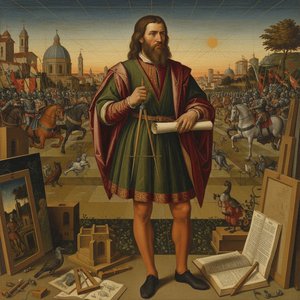
Domenico Veneziano (1410-1461): A Florentine Pioneer of Light and Color
Domenico Veneziano, born around 1410 in Venice, remains a figure shrouded in mystery—a testament to the challenges faced by historians reconstructing the lives of artists during the Renaissance. Despite scarce biographical details, his impact on Early Renaissance art is undeniable, primarily due to his groundbreaking approach to fresco painting and his masterful depiction of luminous color palettes.
- Early Life & Training: Little is known about Veneziano’s formative years beyond his Venetian origins. He apprenticed under Gentile da Fabriano in Florence around 1422–23, absorbing the stylistic innovations championed by Fabriano and Piero della Francesca—a foundation that would profoundly shape his artistic vision.
- Roman Influences & Collaborations: Veneziano’s brief stint in Rome between 1423–1430 exposed him to the vibrant artistic milieu of Fra Angelico and Pisanello, fostering collaborations that honed his skills and broadened his stylistic horizons.
- Umbrian Mastery & Patronage: He established himself in Perugia, where he flourished as a painter for wealthy patrons like Benedetto Bonfigli and Benozzo Gozzoli—artists whose frescoes championed the expressive power of color and perspective. His association with the Medici family is documented through correspondence expressing gratitude for commissions and highlighting their enduring support.
- Notable Works: Veneziano’s oeuvre includes masterpieces such as “The Madonna and Child with Saints” (c. 1445–1447), housed in the Uffizi Gallery, where his audacious use of oil paint—a controversial decision at the time—challenged conventional artistic practices. The St. Lucy Altarpiece is another remarkable achievement, demonstrating his ability to convey spiritual emotion through subtle tonal gradations and atmospheric effects.
- Legacy & Influence: Domenico Veneziano’s influence extended beyond his own contemporaries; Andrea Mantegna recognized his pioneering spirit and adopted many of his techniques. His innovative approach to fresco painting continues to inspire artists today, cementing his place as a pivotal figure in the development of Renaissance art.
- Key Achievements: Veneziano’s contribution to Umbrian frescoes is unparalleled, particularly his work on the Portinari Chapel in Florence—a testament to his dedication and artistic prowess.
- Collaborations: He worked alongside talented assistants like Piero della Francesca and Bicci di Lorenzo, furthering the collective artistic spirit of Perugia during his time.
- Florence Connections: Veneziano’s involvement with the Medici family underscores the importance of patronage in fostering artistic creativity and preserving cultural heritage.