
1
The Parrot Addresses Khujasta at the Beginning of the Sixth Night, from a Tuti-nama (Tales of a Parrot)
Ručně malovaná olejná reprodukce od $181 26 × 39 cm

The Parrot Addresses Khujasta at the Beginning of the Sixth Night, from a Tuti-nama (Tales of a Parrot) (1560) je nejslavnější obraz autora Daswanth, který se nachází v muzeu Clevelandské muzeum umění ve městě Cleveland. The wounded monkey bites the hand of the prince, his chessmate, in the presence of guests, from a Tuti-nama (Tales of a Parrot): Fifth Night (1560) a The parrot mother cautions her young on the danger of playing with foxes, from a Tuti-nama (Tales of a Parrot): Fifth Night (1560) jsou dalšími dvěma díly, která svět zná nejlépe. Z 4 děl umělce Daswanth v našem katalogu uvádíme 4 těch, na které se kolektéři a návštěvníci muzeí nejčastěji dívají, včetně roku vzniku, názvu muzea a příběhu každého díla.
Seřazeno podle našeho skóre popularity, které kombinuje počet vyhledávání, návštěv a objednávek u každého díla. Aktualizováno listopad 2026. Každé dílo na této stránce lze objednat jako ručně malovanou olejovou reprodukci v muzeální kvalitě nebo jako umělecký tisk v požadovaném rozměru.


2 muzea, v nichž je umístěno nejvíce obrazů z této stránky.
| Muzeum | Město | Díla autora Daswanth | Obrazy z tohoto seznamu |
|---|---|---|---|
 Clevelandské muzeum umění |
Cleveland | 3 | The Parrot Addresses Khujasta at the Beginning of the Sixth Night, from a Tuti-nama (Tales of a Parrot), The wounded monkey bites the hand of the prince, his chessmate, in the presence of guests, from a Tuti-nama (Tales of a Parrot): Fifth Night, The parrot mother cautions her young on the danger of playing with foxes, from a Tuti-nama (Tales of a Parrot): Fifth Night |
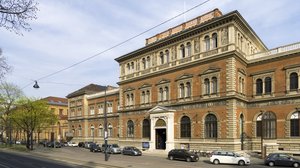 MAK – Muzeum aplikované umělecké tvorby |
Vídeň | 1 | Umar Defeats a Dragon |
Daswanth tvořil po dobu 18 let, od 1560 do 1577: zde je přehled této dlouhé kariéry rok po roce prostřednictvím jeho nejznámějších obrazů.


The Parrot Addresses Khujasta at the Beginning of the Sixth Night, from a Tuti-nama (Tales of a Parrot) (1560), Clevelandské muzeum umění, Cleveland. Následují The wounded monkey bites the hand of the prince, his chessmate, in the presence of guests, from a Tuti-nama (Tales of a Parrot): Fifth Night (1560) a The parrot mother cautions her young on the danger of playing with foxes, from a Tuti-nama (Tales of a Parrot): Fifth Night (1560).
60 let: dílo The Parrot Addresses Khujasta at the Beginning of the Sixth Night, from a Tuti-nama (Tales of a Parrot) pochází z roku 1560 a Daswanth se narodil/a v roce 1500.
Náš katalog obsahuje 4 děl autora Daswanth z let 1560 až 1577.
Většina z nich se nachází v Clevelandské muzeum umění (Cleveland) a MAK – Muzeum aplikované umělecké tvorby (Vídeň). V tabulce výše jsou jednotlivé muzea uvedeny postupně.
V období 1560: 3 z 4 děl na této stránce pochází z tohoto období, z nich The Parrot Addresses Khujasta at the Beginning of the Sixth Night, from a Tuti-nama (Tales of a Parrot).
Nejstarší dílo na této stránce pochází z The Parrot Addresses Khujasta at the Beginning of the Sixth Night, from a Tuti-nama (Tales of a Parrot) (1560), nejnovější z Umar Defeats a Dragon (1577).
The Parrot Addresses Khujasta at the Beginning of the Sixth Night, from a Tuti-nama (Tales of a Parrot), The wounded monkey bites the hand of the prince, his chessmate, in the presence of guests, from a Tuti-nama (Tales of a Parrot): Fifth Night a The parrot mother cautions her young on the danger of playing with foxes, from a Tuti-nama (Tales of a Parrot): Fifth Night patří mezi 3 děl na této stránce, která má v zastarání Clevelandské muzeum umění, Cleveland.
Ano. Každý obraz na této stránce lze objednat jako ručně malovanou olejovou reprodukci v muzeální kvalitě nebo jako umělecký tisk v požadovaném rozměru přímo z jeho vlastní stránky.
Daswanth was a Mughal-era painter serving under the emperor Akbar. Born the son of a palanquin-bearer, he was a Hindu who demonstrated a natural talent for painting and drawing on walls. This talent led him to be taught by the Persian master painter Khwāja 'Abd al-Samad. While 'Abd al-Samad's work was traditional and conservative, Daswanth's own works were noted for being imaginative and original. He was recognized in the Ain-i-Akbari as one of the three most important artists of his period, and the Akbarnama also credited him with great artistic talent.
His artistic style was characterized by a chaotic and creative energy that distinguished him from his contemporaries. His illustrations often appeared otherworldly, sometimes described as scary, with figures that were proportionally inconsistent and weightless. He possessed a unique technique involving the free application of wet pigment and a beautiful understanding of perspective through the use of character size, architectural details, and backgrounds. His work often focused on storytelling, depicting gods, demigods, courtly figures, and warriors, frequently portraying scenes of battle and gory violence.
Daswanth contributed significantly to several major works, including the Hamzanama and the Tarikh e Khandan e Timuriyah. He is also associated with the Razmnama, a Persian translation of the Hindu epic the Mahabharata, where he drew as many as 31 full-page miniatures. His work in this collection included diverse compositions, such as:
His repertoire also included illustrations for the Tūtīnāma, such as The Wounded Monkey Bites the Hand of the Prince. His style occasionally incorporated elements from other traditions, such as Chinese-style clouds or Western techniques and idioms. His life ended in 1584 after he wounded himself with a dagger.