Cornelis van Dalen (1602 – 1665): A Master of Allegory and Biblical Narrative
Cornelis van Dalen, born in Amsterdam around 1602, stands as a pivotal figure within the Dutch Golden Age artistic landscape—a period characterized by unprecedented prosperity and intellectual ferment. While overshadowed by contemporaries like Rembrandt and Vermeer in terms of fame during his lifetime, Van Dalen’s meticulous craftsmanship and profound understanding of visual storytelling cemented his legacy as one of the most accomplished engravers and painters of his era. His output reflects not only technical brilliance but also a deep engagement with humanist ideals and religious fervor, shaping the artistic sensibilities of his time.
- Early Life and Training: Little is known definitively about Van Dalen’s formative years. He apprenticed under Cornelis Claesz van Asselijn, a prominent Amsterdam printmaker, absorbing invaluable skills in etching and engraving—techniques that would become central to his artistic practice.
- Amsterdam Workshop and Artistic Development: By the mid-1630s, Van Dalen established his own workshop in Amsterdam, attracting talented assistants and fostering an environment conducive to experimentation. This period witnessed a prolific output of engravings depicting mythological subjects, portraits of nobility, and scenes from biblical narratives—demonstrating a masterful command of chiaroscuro (light and shadow) and compositional balance.
Engraving: The Medium of Choice
Van Dalen’s artistic genius resided primarily in engraving. Unlike painting, which demanded considerable time and resources, engraving offered a relatively rapid method for producing multiple copies of images—a crucial advantage during the burgeoning print culture of the seventeenth century. His engravings possessed an unparalleled level of detail and tonal subtlety, achieved through painstaking labor and innovative techniques. He skillfully utilized mezzotint, a process that allowed for nuanced gradations of tone unattainable with etching alone, resulting in prints imbued with atmospheric depth and expressive power. Consider “The Incredulity of St Thomas,” executed around 1626-1630—a monumental work showcasing Van Dalen’s mastery of perspective and dramatic lighting, capturing the pivotal moment of doubt within Christ's apostles’ ranks.
- Notable Engravings: Among his most celebrated prints are portraits of prominent figures like Johan Rippertsz. van Groenendijck (1635), James II, Duke of York (1633), and Henry, Duke of Gloucester (1629). These images exemplify Van Dalen’s meticulous attention to anatomical accuracy and psychological realism—characteristics that distinguished him from many of his peers.
- Collaborations and Artistic Influences: Van Dalen frequently collaborated with fellow artists such as Gerard van Honthorst and François Perrier, enriching the visual vocabulary of the period. His work absorbed influences from Mannerism and Italian Renaissance art, particularly evident in the stylized poses and dramatic compositions of his engravings.
Biblical Narratives and Allegorical Symbolism
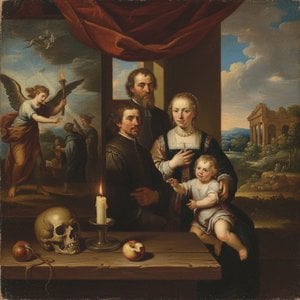
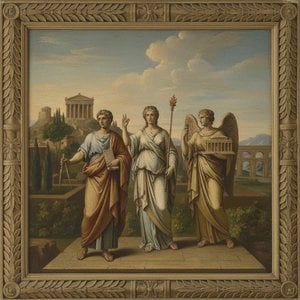
Van Dalen’s artistic vision was profoundly shaped by religious conviction—a hallmark of Dutch culture during the Golden Age. He produced numerous engravings depicting scenes from the Bible, interpreting biblical narratives through allegorical symbolism to convey moral lessons and spiritual truths. “Allegory of the Birth of Prince Wilhelm Heinrich von Brandenburg,” created around 1638-1642, exemplifies this approach—presenting a complex visual tapestry replete with symbolic figures representing virtue, intellect, and divine providence.
- Legacy and Influence: Cornelis van Dalen’s enduring influence can be discerned in the works of subsequent generations of engravers and painters. His meticulous technique and expressive style served as a model for artists striving to achieve visual grandeur and intellectual depth—solidifying his position as one of the foremost masters of engraving and contributing significantly to the artistic heritage of Holland.
Concluding Remarks
Though often overlooked in discussions of Dutch art history, Cornelis van Dalen deserves recognition as a visionary artist who skillfully navigated the stylistic currents of his time. His unwavering dedication to craftsmanship combined with an astute understanding of humanist ideals and religious symbolism ensured that his engravings—particularly “The Incredulity of St Thomas”—continue to captivate audiences today—a testament to the enduring power of visual storytelling and the brilliance of a truly exceptional artist.