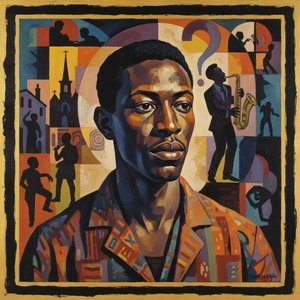
William H. Foege: A Life Dedicated to Global Health
William H. Foege (born 1932) is an American epidemiologist whose groundbreaking work led to the successful eradication of smallpox, one of history’s most devastating diseases. His career exemplifies a commitment to public health and global well-being.
Early Life and Education
Born in Columbia, Missouri, Foege pursued his medical education at the University of Kansas School of Medicine, graduating in 1957. He furthered his training with a Master's degree in Public Health from Harvard University in 1965. These formative years laid the foundation for his future contributions to epidemiology and disease control.
Career at the Centers for Disease Control (CDC)
Foege joined the Centers for Disease Control and Prevention (CDC) in 1962, dedicating himself to combating infectious diseases. He rose through the ranks, eventually serving as Director of the CDC from 1977 to 1983. This period marked a turning point in global health history.
The Eradication of Smallpox
Foege’s most significant achievement was his leadership in the global smallpox eradication campaign during the 1970s. He championed a strategy of mass vaccination and surveillance, adapting to local conditions and overcoming logistical challenges. His innovative approach, including the concept of “ring vaccination” – vaccinating only contacts of confirmed cases – proved crucial to containing outbreaks.
The World Health Organization (WHO) officially declared smallpox eradicated in 1980, a monumental victory for public health and a testament to Foege’s dedication. This accomplishment stands as one of the greatest achievements in medical history.
Post-CDC Work & The Carter Center
After leaving the CDC, Foege continued his commitment to global health initiatives. In 1984, he co-founded the Task Force for Child Survival and Development, now known as The Task Force for Global Health. This organization focuses on improving child health in developing countries.
In 1986, Foege joined The Carter Center as a senior fellow and later became a member of its Board of Trustees. He has worked alongside former President Jimmy Carter to address critical global issues, including disease eradication and conflict resolution.
Influences & Legacy
Foege’s work was influenced by the principles of epidemiology and public health pioneers who emphasized prevention and community-based interventions. His legacy extends beyond smallpox eradication; he has inspired generations of public health professionals to tackle global challenges with innovation and determination.
Major Achievements & Recognition
- Led the successful global campaign to eradicate smallpox.
- Served as Director of the Centers for Disease Control and Prevention (CDC).
- Co-founded The Task Force for Global Health.
- Played a key role at The Carter Center in addressing global health issues.
Foege has received numerous awards and honors, including the Presidential Medal of Freedom in 2012, recognizing his extraordinary contributions to public health. He currently holds the position of Emeritus Presidential Distinguished Professor of International Health at Emory University.
Historical Significance
Dr. William Foege’s work represents a pivotal moment in global health history. His leadership in eradicating smallpox demonstrated the power of international collaboration, scientific innovation, and unwavering commitment to improving human well-being. He remains an influential figure in public health, inspiring ongoing efforts to combat infectious diseases and promote global health equity.
Otázky a odpovědi
Jak je kariéra umělce Cdc / Dr. William Foege rozdělena do období?
Kronika umělce Cdc / Dr. William Foege je časová osa ovládaná skrolováním, která představuje díla umělce v chronologickém pořadí, rozdělená do kapitol podle období jeho kariéry.
Existuje kompletní seznam děl umělce Cdc / Dr. William Foege?
Veškerá díla umělce Cdc / Dr. William Foege na tento web lze prohlédnout na jeho stránce Všechna umělecká díla.
Jak mohu sledovat tvorbu umělce Cdc / Dr. William Foege rok po roce?
Stránka Časová osa děl představuje díla umělce Cdc / Dr. William Foege seřazená chronologicky, rok po roce.