A Life Intertwined with the Avant-Garde
Carl Van Vechten, a name resonating through the annals of early 20th-century American culture, was far more than simply a writer or photographer. He was a cultural catalyst, a passionate patron, and an astute observer who navigated the vibrant currents of modernism with remarkable energy. Born in Cedar Rapids, Iowa, in 1880, into a family that valued both intellectual pursuits and artistic expression—his mother founded the local library and possessed musical talent—Van Vechten’s early life laid the foundation for his multifaceted career. His initial passions leaned towards music and theatre, but it was through writing that he first found his voice, initially as “The Chaperone,” a columnist known for its semi-autobiographical gossip and sharp criticism in Chicago. This marked the beginning of a lifelong engagement with public discourse and artistic commentary. A move to New York City in 1906 solidified his position within the burgeoning cultural landscape, leading to a role as an assistant music critic at *The New York Times*.From Literary Critic to Champion of Modernity
Van Vechten’s intellectual curiosity propelled him beyond traditional criticism. He embarked on journeys to Europe, immersing himself in the world of opera and forging connections that would shape his artistic sensibilities. It was during this period he met Mabel Dodge Luhan, a pivotal figure who introduced him to the heart of the avant-garde movement. This introduction led to a profound friendship with Gertrude Stein, a relationship that would profoundly influence Van Vechten’s own work and ultimately lead to his role as her literary executor. He became a devoted advocate for Stein's experimental writing, even penning “How to Read Gertrude Stein” in an attempt to demystify her often challenging prose. His involvement with figures like Isadora Duncan, Anna Pavlova, and Loie Fuller further cemented his position as a champion of modern dance and performance art—a realm where he recognized the urgent need for artistic innovation and a rejection of established conventions. He wasn’t merely observing these movements; he was actively participating in their evolution, fostering dialogue and providing crucial support to artists pushing boundaries. This period witnessed him transforming from solely critiquing the arts into becoming an integral part of its creation and dissemination—a testament to his unwavering belief in artistic progress.Photography and the Harlem Renaissance
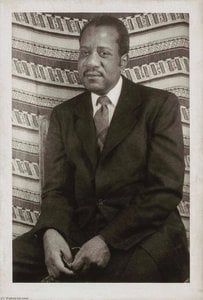
The 1930s marked a significant turning point in Van Vechten’s artistic trajectory with his embrace of photography, specifically utilizing a Leica camera. This new medium allowed him to capture portraits of his extensive network of friends and acquaintances—artists, writers, performers—with an intimacy and immediacy that resonated deeply. However, it was his engagement with the Harlem Renaissance that truly defined this phase of his career. Van Vechten became a dedicated patron and documentarian of African American artistic expression, employing his considerable influence to elevate the voices of emerging talents. His photographs offer invaluable glimpses into the lives and creative energies of figures like Langston Hughes, Zora Neale Hurston, and Bessie Smith—artists who bravely confronted racial prejudice and sought to redefine American identity. He meticulously documented their performances, studios, and daily routines, capturing not just likenesses but also essence—the spirit of a movement striving for recognition and artistic liberation. Through his lens, he presented a nuanced portrayal of Harlem’s vibrant cultural landscape, challenging stereotypes and fostering understanding across racial divides.Notable Works & Legacy
Van Vechten's oeuvre encompasses both literary endeavors and photographic masterpieces. His novel *Nigger Heaven* (1926), remains controversial due to its provocative title—a deliberate provocation aimed at confronting societal prejudices surrounding race and sexuality—yet it served as a catalyst for critical discussions about representation and artistic responsibility. Beyond this singular work, his extensive photographic archive constitutes an unparalleled visual record of the era’s artistic milieu. Images like “Margaret Walker Portrait” and “Ralph Bunche Portrait” exemplify his masterful technique in capturing subjects with sensitivity and nuance, revealing not only their physical appearance but also their inner character. His photographs are housed in prominent museums across America, ensuring that Van Vechten's vision continues to inspire future generations of artists and scholars alike. He stands as a symbol of artistic courage—a man who dared to challenge norms and explore uncomfortable truths—leaving an indelible mark on the history of American art and culture.- Literary Contributions: “How to Read Gertrude Stein” – A seminal work demonstrating his dedication to interpreting Stein’s experimental prose.
- Photographic Achievements: Extensive portraiture documenting Harlem Renaissance artists, showcasing exceptional technical skill and artistic insight.
- Cultural Patronage: Active supporter of Mabel Dodge Luhan and Gertrude Stein, fostering connections within the avant-garde movement.
Otázky a odpovědi
Mohu si prohlédnout díla umělce Carl Van Vechten podle klíčových slov?
Chcete-li najít díla umělce Carl Van Vechten na konkrétní téma, navštivte jeho stránku Podle klíčových slov, kde jsou umělecká díla seskupena podle klíčových slov.
Kde mohu vidět díla umělce Carl Van Vechten v 3D galerii?
Možná je i virtuální prohlídka: na stránce 3D galerie umělce Carl Van Vechten můžete obdivovat jeho díla v trojrozměrné galerii.
Kolik děl umělce Carl Van Vechten je možné si prohlédnout?
Na stránce Všechná umělecká díla si můžete prohlédnout 41 uměleckých děl děl autora Carl Van Vechten.