Biagio Bellotti: A Lombard Baroque Polymath
Biagio Giuseppe Maria Bellotti (Busto Arsizio, 26 February 1714 – Busto Arsizio, 5 August 1789) was an Italian painter, architect, sculptor, musician and canon—a true Renaissance man of his time. Born into a prominent Bourgeois family in Busto Arsizio, Lombardy, Bellotti’s artistic talent blossomed under the tutelage of Padre Paolo Gallazzi and his own paternal lineage, inheriting skills from his grandfather Biagio Bellotti (1656–1713) and uncles Matteo and Paolo Bellotti—all accomplished painters themselves. This familial legacy instilled in him a profound appreciation for visual artistry and shaped his lifelong pursuits.
- Early Artistic Training:
Bellotti’s formative years were marked by rigorous artistic instruction, focusing on mastering the techniques of painting, sculpture, and architecture—skills that would serve as the bedrock of his prolific career.
Bellotti quickly established himself as a respected artist in Lombardy. His oeuvre encompasses a remarkable breadth of styles and subjects, reflecting the diverse intellectual currents of the Baroque era. He excelled particularly in religious painting, producing emotionally resonant depictions of biblical narratives that captivated audiences and cemented his reputation for conveying spiritual depth. The Pietà, housed in St. Mary’s Cathedral of Busto Arsizio, stands as a testament to his masterful draughtsmanship and compositional prowess—a poignant portrayal of sorrow and compassion executed with meticulous detail.
- Notable Paintings:
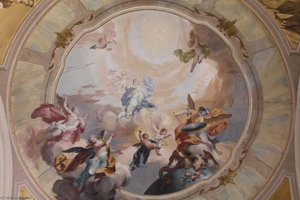
Among Bellotti's celebrated works are numerous frescoes adorning churches throughout Lombardy, showcasing his ability to transform architectural spaces into immersive canvases of faith.
Beyond painting, Bellotti demonstrated considerable versatility as an architect. He designed several buildings in Busto Arsizio and surrounding areas, incorporating classical elements alongside Baroque ornamentation—a harmonious blend that exemplifies the artistic sensibilities of the period. His sculptural endeavors further enriched Lombardy’s cultural landscape, producing statues commemorating prominent figures and embellishing public spaces.
- Architectural Achievements:
His architectural designs reflect a sophisticated understanding of aesthetics and structural principles, contributing significantly to the visual identity of Busto Arsizio.
Furthermore, Bellotti possessed musical talent—he served as organist at St. Mary’s Cathedral and composed liturgical music that resonated with devotion and beauty. This multifaceted artistic persona underscores his commitment to cultivating intellectual pursuits alongside creative expression—a rare combination in the eighteenth century.
- Musical Contributions:
Bellotti's musical compositions exemplify the Baroque tradition, characterized by elaborate ornamentation and expressive melodies.
Biagio Bellotti’s legacy extends beyond his individual artistic achievements. He played a crucial role in fostering artistic patronage and promoting cultural enrichment within Lombardy—a testament to his dedication as a humanist and a citizen of his time. His work continues to inspire admiration for its technical brilliance and emotional impact, securing his place among the most significant artists of the Baroque period.