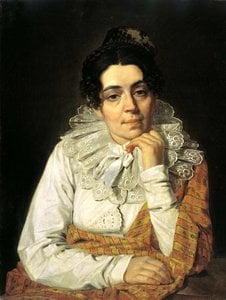
Alexej Gavrilovič Venetsianov (1780–1847): Průkopník zobrazení ruského venkovského života v malířství
- Narozen: Moskva, Rusko, 1780
Alexej Gavrilovič Venetsianov představuje klíčovou postavu v dějinách ruského umění, oslavovanou pro své průlomové zachycení vesnického života a každodenních zkušeností prostého lidu. Narodil se v Moskvě do obchodnické rodiny řeckého původu a jeho umělecká cesta byla poznamenána jak osobními zápasy, tak významným přínosem k rozvoji jasně ruského národního stylu.
Raný život a umělecký rozvoj
Venetsianovův počáteční životní směr vedl skrze státní službu, než se rozhodl plně zasvětit umění. Po přestěhování do Petrohradu začal svou cestu studiem skrze pečlivé kopírování děl z kolekce Ermitáže a tréninkem portrétní tvorby. Klíčovým obdobím jeho rozvoje byla éra učení pod vedením Vladimíra Borovikovského, významného ruského portrétisty tehdejší doby. Život v Borovikovském domě mu poskytl nepostradatelnou výchovu a kontakt s ugruntovanými uměleckými postupy.
Navzdory projevovanému talentu však Venetsianov čelil obtížím při získávání zakázek jako svobodný portrétista, což poukazovalo na výzvy, kterým čelili umělci mimo oficiální akademické instituce. V roce 1811 však dosáhl uznání Hudební akademie, když mu bylo za jeho autoportrét a portrét K. I. Golovachevského spolu s mladšími žáky uděleno titule akademika, což znamenalo zásadní krok v jeho profesním životě.
Příchod k venkovským scénám a založení vlastní školy
V roce 1819 se Venetsianov rozhodně plně zasvětil umění, opustil státní službu a zakoupil vesnici Safonkovo, kde se usadil. Tento moment představoval zlom v jeho uměleckém zaměření. Život v Safonkově mu umožnil přímý přístup k venkovské krajině a komunitám, které se staly centrálními tématy jeho díla. S precizností pozoroval a maloval scény z přírody a každodenního života, čímž zachytil samotnou podstatu Ruska 19. století.
Venetsianov je široce uznáván jako první ruský umělec, který systematicky vykresloval vesnický život s takovou autenticitou a citlivostí. Jeho díla se vymykala romantizovaným či idealizovaným představám a nabízela realistický pohled do světa lidu. Od 20. let 19. století začal Venetsianov přitahovat mladé lidi z chudých vrstev, včetně nevolníků jako Grigory Soroka, aby je učil malování. To vedlo ke vzniku jeho vlastní neformální malířské školy, což je důkazem jeho oddanosti kultivaci talentu a snahy o dostupnost uměleckého vzdělání. Jeho přínos k národním uměleckým trendům uznal i car Nikolaj I., který ho jmenoval dvorským malířem a poskytl tak jeho škole zásadní finanční podporu.
Hlavní díla a umělecký styl
Venetsianovovo dílo zahrnuje řadu významných děl, jako jsou „Portrét venkovské dívky“, „Žateň v mlátení“, „Dívka s chabrky“, „Jaro na orné půdě“, „Léto – žně“, „Zakharka“, „Dívka v kostkované šáli“, „Dívka s teletem“, „Věštění“, „Dítě chudého rolníka s mlékem“ či „Násazenka s dítětem“. Jeho styl je charakteristický realismem, důrazem na detail a naturalistickým ztvárněním světla a stínu. Využíval metodu přímého pozorování, díky které zachytil textury oděvů, výrazy tváří i nuance venkovské krajiny. Přestože je známý především pro realistické zobrazení, v jeho díle lze nalézt i vlivy baroka, zejména v používání dramatického osvětlení a bohatého impasta, což je patrné například v obrazu „Hlava starého rolníka“.
Odkaz a historický význam
Venetsianovův průkopnický zaměření na vesnický život položilo základy pro rozvoj ruského realismu v umění. Jeho práce připravila cestu pozdějším generacím umělců, kteří usilovali o zobrazení sociální reality s upřímností a empatií. Portrétováním životů a údělu obyčejných Rusů přispěl k formování jasné národní identity v ruském malířství. Jeho život však byl tragicky ukončen v roce 1847 při nehodě, kdy se převrhl jeho kočár. Navzdory relatively krátké kariéře zůstává jeho dopad na ruské umění hluboký a nesmazatelný.
Otázky a odpovědi
Odkud pochází Alexej Venetsianov?
Alexej Venetsianov se narodil(a) v zemi Россия.
Kde si mohu prohlédnout díla umělce Alexej Venetsianov uspořádaná podle atmosféry?
Díla umělce Alexej Venetsianov si můžete prohlédnout podle nálady na jeho stránce Pokoj nálad, kde jsou umělecká díla uspořádána podle jejich vyvolané nálady.
Kde a kdy se narodil/a Alexej Venetsianov?
Alexej Venetsianov se narodil(a) ve městě Москва v roce 1780.
Kde mohu vidět díla umělce Alexej Venetsianov v 3D galerii?
3D muzeum umělce Alexej Venetsianov je stránka, která v rámci virtuální trojrozměrné galerie prezentuje umělecká díla tohoto tvůrce.
V jakém městě a z jaké země pochází Alexej Venetsianov?
Alexej Venetsianov se narodil(a) ve městě Москва v zemi Россия.
Kde najdu díla umělce Alexej Venetsianov seskupená podle barevné palety?
Stránka Podle barevné palety seskupuje díla umělce Alexej Venetsianov podle jejich barevných palet.
Existuje chronologický přehled tvorby umělce Alexej Venetsianov?
Kariéra umělce Alexej Venetsianov se na stránce Kronika odvíjí období po období: jako horizontální časová osa děl uspořádaných do kapitol podle tvůrčích etap.