
BEZPLATNÉ UMĚLECKÉ PORADENSTVÍ


x

 Objednat reprodukci Koupit digitální obrázek
 Sdílet
 Podrobnosti
 Přidat do oblíbených
 Stáhnout
 Podobné položky
 Rentgenové snímky
 Slideshow
 701
701 108.0cm x 28.0cm
Giclée nebo plátěný tisk muzeální kvality s rychlou výrobou a flexibilními možnostmi povrchové úpravy.
Vyberte si z našich přednastavených velikostí, které odpovídají původním proporcím díla.

Můžete zadat vlastní rozměry tak, aby výtvor odpovídal konkrétnímu rámu nebo prostoru. Pokud zvolená velikost nebude odpovídat poměru stran původního obrazu, dílo buď ořížeme, nebo obraz rozšíříme pomocí zrcadlového efektu či jednobarevného okraje. Před zahájením výroby vám bude zaslán digitální náhled k schválení.
Mějte prosím na paměti, že náhled na obrazovce neodráží skutečné oříznutí nebo rozšíření. Pouze digitální náhled přesně zobrazí finální kompozici.
Ačkoliv jsou k dispozici i vlastní rozměry, pro zachování původních proporcí doporučujeme vybrat si rozměr z předdefinovaného seznamu.
Celosvětové doručení () do 2 týdnů namísto standardních 4/5 týdnů. (7 červenec)


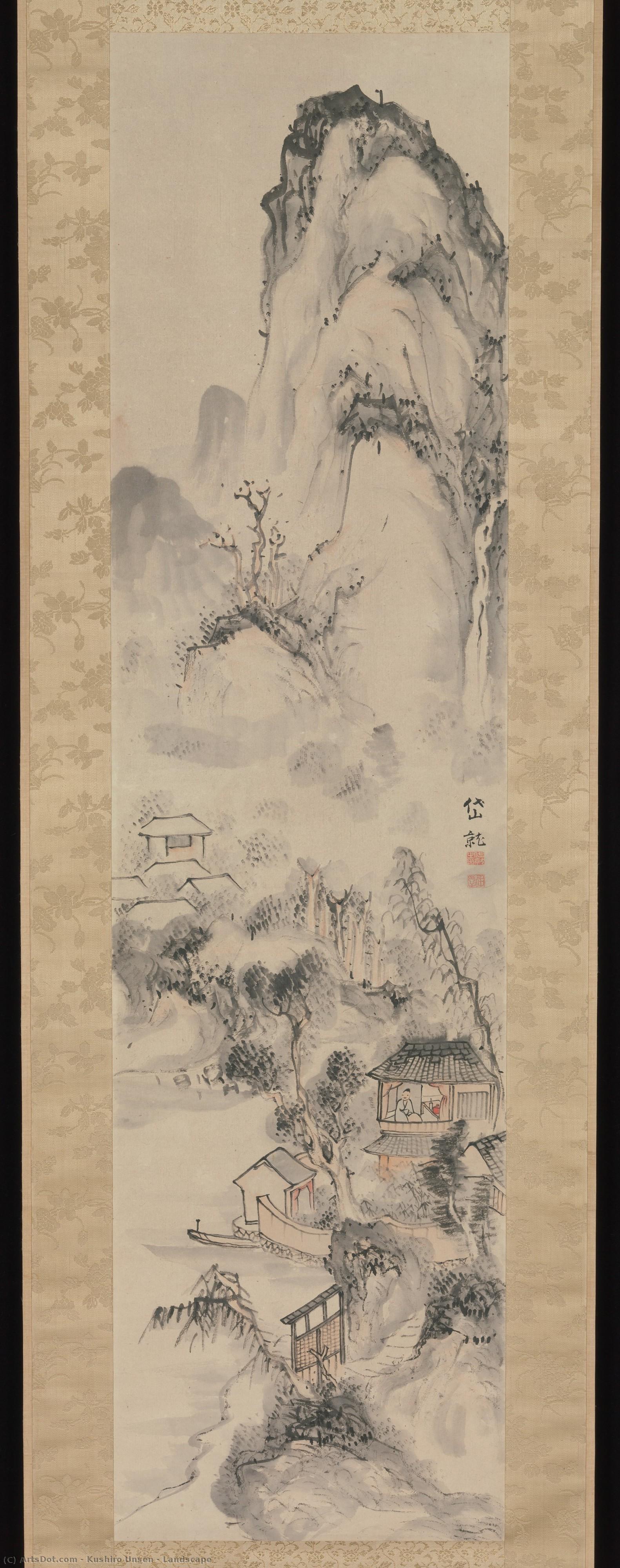
Landscape
Rozměry reprodukce


Kushiro Unsen (釧雲泉, 1759 – 1811) stands as a singular figure in Japanese landscape painting, embodying the aesthetic ideals of Edo-period Japan—a period marked by social stratification, political intrigue, and burgeoning commercial activity. Unlike many artists of his era who sought patronage from powerful clans or focused on grand historical narratives, Unsen cultivated a deeply personal style rooted in Zen Buddhism and characterized by an unparalleled sensitivity to atmospheric conditions.
Born in Nagasaki, Unsen’s early life remains shrouded in some mystery. He apprenticed under Chinese painters, absorbing techniques that emphasized subtle tonal gradations and meticulous brushwork—a hallmark of Ming Dynasty landscape art. However, he swiftly rejected the conventions of formal portraiture and historical painting, opting instead for a contemplative approach to capturing the beauty of the natural world.
Unsen’s prolific output spanned several decades, producing approximately 300 paintings—a remarkable feat considering the constraints of his time. He primarily focused on depicting mountainous regions surrounding Nagasaki Prefecture, capturing scenes of misty valleys, snow-capped peaks, and tranquil lakes. Recurring motifs included pine trees, plum blossoms, and cranes—symbols laden with Buddhist significance representing longevity and aspiration.
Unsen’s artistic legacy resides not only in his stunning paintings but also in his contribution to the philosophical underpinning of Japanese art. He championed a vision of nature as a source of spiritual enlightenment—a perspective that resonates powerfully with contemporary concerns about environmental stewardship and mindfulness. Kushiro Unsen remains an enduring testament to the transformative power of art and its capacity to elevate our understanding of the world around us.

1759 - 1811 , Japan


Buďte na tahu s nejnovějšími novinkami ze světa umění, exkluzivními nabídkami a inspirativními nápady na dekoraci.
Sdělte nám více o svém projektu a naši odborníci na umění vám připraví 3 personalizované návrhy uměleckých děl.
Nechť pro vás vybereme 3 možnosti – zdarma!
 Sdílet

 Zobrazit více




































 Skleněná varianta je dostupná pouze u rozměrů menších než 110 cm


