
BEZPLATNÉ UMĚLECKÉ PORADENSTVÍ


x

 Koupit tisk Koupit digitální obrázek
 Sdílet
 Podrobnosti
 Přidat do oblíbených
 Stáhnout
 Podobné položky
 Rentgenové snímky
 Slideshow
Ručně malovaná olejná barva na plátně ve vašem zvoleném rozměru i s rámem, vyrobená našimi umělci na zakázku.





























Vyberte si z našich přednastavených velikostí, které odpovídají původním proporcím díla.

Můžete zadat vlastní rozměry pro konkrétní rám nebo prostor. Pokud se vámi vybraná velikost neshoduje s proporcemi původního obrazu, dílo buď ořízneme, nebo jej doplníme ručně malovanými prvky. Před zahájením výroby vám bude zaslán digitální náhled ke schválení.
Upozorňujeme, že náhled na obrazovce neodpovídá skutečnému ořezu ani rozšíření. Pouze digitální náhled přesně zobrazí finální kompozici.
Ačkoliv je možné zvolit vlastní velikost, pro zachování původních proporcí doporučujeme vybrat rozměr z předdefinovaného seznamu.
Celosvětová doprava () za 3–4 týdny namísto standardních 5 týdnů. (7 červenec). Bez kompromisů v kvalitě.


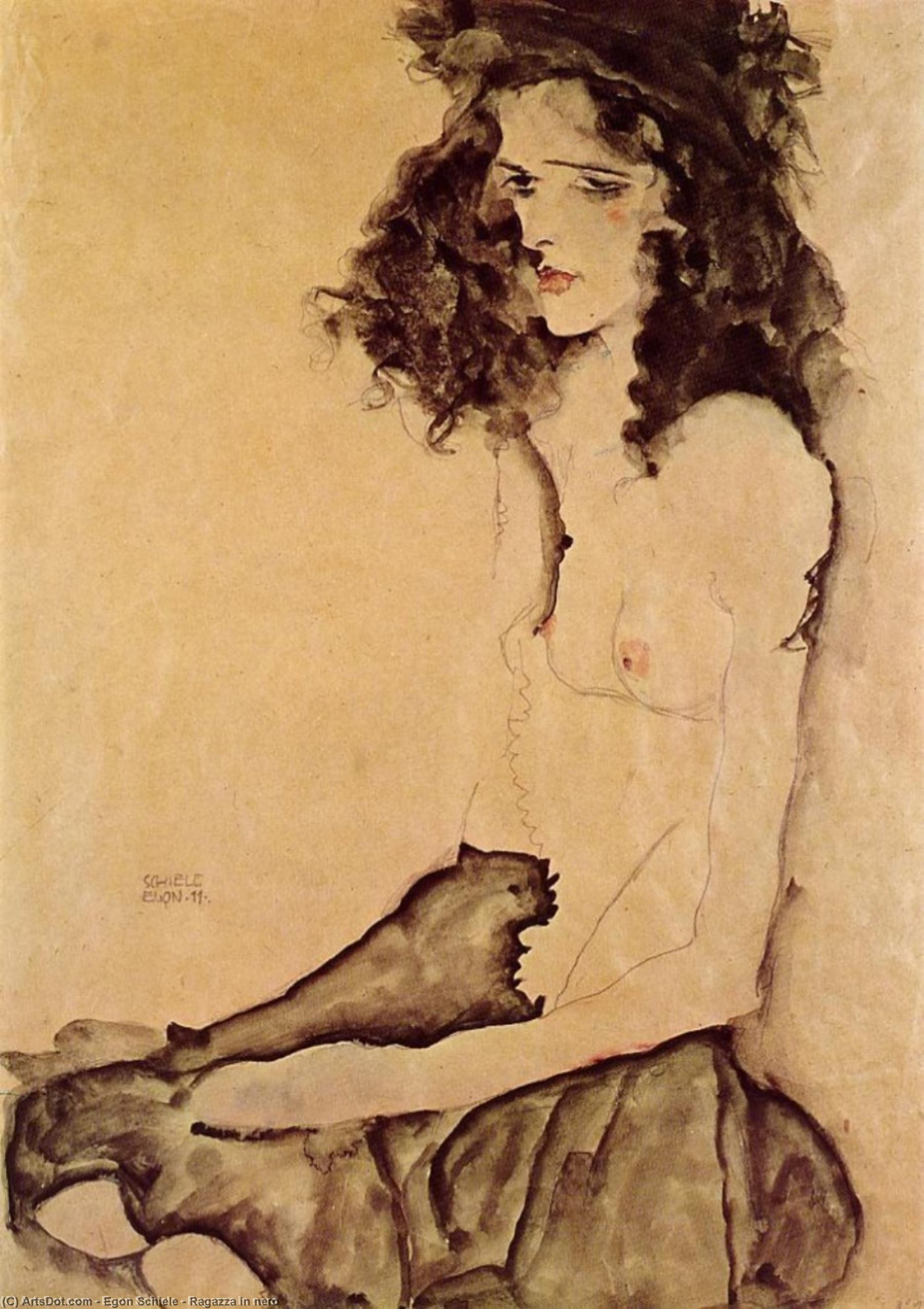
Ragazza in nero
Rozměry reprodukce
Egon Schiele’s “Ragazza in nero,” painted circa 1908-1909, stands as a haunting testament to the artist's masterful grasp of Expressionist aesthetics and his profound engagement with psychological exploration. This striking portrait captures a young woman seated on the ground, her gaze averted downwards while cradling a cat—a gesture laden with symbolic significance that speaks volumes about Schiele’s artistic vision.
Style & Technique: The painting embodies the core tenets of Expressionism, rejecting academic conventions in favor of raw emotion and subjective experience. Schiele employs bold, angular brushstrokes – characteristic of his distinctive style – to convey a palpable sense of unease and tension. Thick impasto creates textural surfaces that amplify the visual impact, mirroring the artist’s internal turmoil. The muted palette dominated by shades of black, grey, and ochre contributes to the melancholic atmosphere, emphasizing the subject's isolation.
Historical Context: Schiele emerged during Vienna’s artistic ferment at the turn of the century, a period marked by intellectual currents grappling with anxieties surrounding modernity and mortality. Influenced by artists like Edvard Munch and Gustav Klimt, Schiele sought to depict human emotion with uncompromising honesty—often confronting themes of sexuality, illness, and death. “Ragazza in nero” reflects this preoccupation with psychological depth, mirroring the broader artistic movement’s fascination with inner landscapes.
Symbolism & Emotion: The woman's downward gaze is interpreted as a reflection of introspection and vulnerability—a deliberate choice by Schiele to portray her emotional state rather than simply presenting a likeness. The cat nestled in her lap serves as a potent symbol of comfort, protection, and perhaps even maternal instinct, juxtaposed against the woman’s apparent sadness. These elements coalesce into an emotionally resonant image that captures the artist's preoccupation with themes of fragility and existential dread.
Interior Design Inspiration: “Ragazza in nero”’s subdued color palette and textural surface lend themselves beautifully to contemporary interior design schemes. Consider incorporating similar tones—deep greys, earthy browns—into living spaces to create a mood of contemplative serenity. Alternatively, reproductions of this artwork can serve as focal points within an artistic composition, adding depth and intrigue.


1890 - 1918 , Rakousko

Prozkoumejte top 25 děl Egona Schieleho – mistra expresionismu. Obdivujte portréty, akvarely a kresby plné emocí a psychologické hloubky. Reprodukce obrazů s WahooArt pro váš interiér. Discover all masterpieces on WahooArt.com
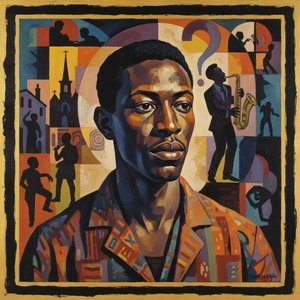
Explore the powerful life & art of William H. Johnson – a pivotal American painter who captured African American experiences with bold expressionism and folk art style. Discover his legacy at WahooArt.

Prozkoumejte 10 ikonických děl umění s odvážnou atmosférou! Obrazy Van Gogha, Picassa a dalších mistrů. Historie, techniky a inspirace pro váš interiér. Reprodukce obrazů nejvyšší kvality na WahooArt.com – objevte sílu barev a emocí!

Explore the captivating world of introspective art! Discover how artists across eras – from Rembrandt to Kahlo – used self-portraiture to reveal their inner worlds and emotional depths. A journey through art history & psychology.

Objevte 10 legendárních akrylových maleb na papíře, které změnily svět umění! Prozkoumejte příběhy slavných malířů a ikonické obrazy moderního a současného umění. Reprodukce obrazů pro váš interiér – WahooArt.cz


Buďte na tahu s nejnovějšími novinkami ze světa umění, exkluzivními nabídkami a inspirativními nápady na dekoraci.
Sdělte nám více o svém projektu a naši odborníci na umění vám připraví 3 personalizované návrhy uměleckých děl.
Nechť pro vás vybereme 3 možnosti – zdarma!
 Sdílet


 Zobrazit více







 Skleněná varianta je dostupná pouze u rozměrů menších než 110 cm


