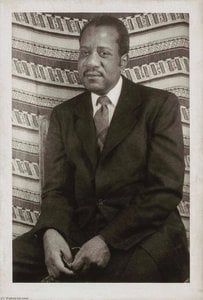
Carl Van Vechten (1880-1964): A Life Intertwined with the Avant-Garde
Carl Van Vechten, a name resonating through the annals of early 20th-century American culture, was far more than simply a writer or photographer. He was a cultural catalyst, a passionate patron, and an astute observer who navigated the vibrant currents of modernism with remarkable energy. Born in Cedar Rapids, Iowa, in 1880, into a family that valued both intellectual pursuits and artistic expression—his mother founded the local library and possessed musical talent—Van Vechten’s early life laid the foundation for his multifaceted career. His initial passions leaned towards music and theatre, but it was through writing that he first found his voice, initially as “The Chaperone,” a columnist known for its semi-autobiographical gossip and sharp criticism in Chicago. This marked the beginning of a lifelong engagement with public discourse and artistic commentary. A move to New York City in 1906 solidified his position within the burgeoning cultural landscape, leading to a role as an assistant music critic at *The New York Times*.
Early Influences and Literary Beginnings
Van Vechten’s formative years were steeped in intellectual ferment—a direct consequence of his parents' dedication to education and artistic appreciation. Growing up amidst a family that championed both literary pursuits and musical performance instilled in him an early fascination with the arts, shaping his worldview and fueling his ambition. He honed his skills as a pianist and composer during his adolescence, demonstrating a natural talent for musical expression—a characteristic that would continue to inform his creative endeavors throughout his life. Simultaneously, he immersed himself in theatrical productions, gaining invaluable experience in performance and storytelling. This dual engagement with music and theatre cultivated a keen understanding of dramatic form and narrative technique—skills that would prove crucial to his subsequent literary career. His debut as “The Chaperone” established him as a voice within Chicago’s social circles, utilizing his column to dissect societal trends and challenge conventional norms with wit and intelligence. This early journalistic foray honed his observational abilities and solidified his commitment to articulating complex ideas in accessible prose—a stylistic hallmark that would define his writing style for decades to come.
From Literary Critic to Champion of Modernity
Van Vechten’s intellectual curiosity propelled him beyond traditional criticism. He embarked on journeys to Europe, immersing himself in the world of opera and forging connections that would shape his artistic sensibilities. It was during this period he met Mabel Dodge Luhan, a pivotal figure who introduced him to the heart of the avant-garde movement. This introduction led to a profound friendship with Gertrude Stein, a relationship that would profoundly influence Van Vechten’s own work and ultimately lead to his role as her literary executor. He became a devoted advocate for Stein's experimental writing, even penning “How to Read Gertrude Stein” in an attempt to demystify her often challenging prose. His involvement with figures like Isadora Duncan, Anna Pavlova, and Loie Fuller further cemented his position as a champion of modern dance and performance art—recognizing the transformative potential of artistic innovation and pushing boundaries of convention. He wasn’t merely documenting these movements; he was actively participating in their evolution, fostering dialogue and providing crucial support to artists experimenting with new forms of expression. This period witnessed him transitioning from solely critiquing the arts to becoming an integral part of its creation and dissemination—a testament to his versatility and intellectual dynamism.
Photography: Capturing the Essence of Modernism
The 1930s marked a decisive turning point in Van Vechten’s artistic trajectory with his embrace of photography, specifically utilizing a Leica camera. This new medium allowed him to capture portraits of his extensive network of friends and acquaintances—artists, writers, performers—with an intimacy and immediacy that resonated deeply. He meticulously crafted each image, employing lighting techniques and compositional strategies that reflected the aesthetic principles of modernism—emphasizing geometric forms, stark contrasts, and a deliberate rejection of traditional conventions. His photographs weren’t simply representations of his subjects; they were explorations of identity and perception—attempts to distill complex emotions and experiences into visual form. He sought to convey not just likeness but also character—revealing the inner lives of those he portrayed with sensitivity and insight. This dedication to photographic artistry solidified his reputation as a visionary artist who understood how to harness the power of image-making to communicate profound ideas about human experience.
Legacy and Influence
Van Vechten’s enduring legacy rests on his remarkable ability to bridge different worlds—literature, art, music, photography—and his unwavering commitment to fostering creativity and challenging societal boundaries. He remains a pivotal figure in understanding the cultural landscape of early 20th-century America, a man whose life was inextricably intertwined with the avant-garde movements that shaped our modern world. His photographs are held in esteemed collections like the Philadelphia Museum of Art, serving as enduring testaments to his vision and artistry—a testament to his contribution to preserving artistic heritage for future generations. He championed African American artists during the Harlem Renaissance, fostering dialogue and promoting diverse voices within the cultural sphere. His influence continues to inspire artists today who strive to push boundaries and explore new forms of expression—a lasting reminder of Carl Van Vechten’s transformative impact on American art and culture.