Донатело, 1386 – 1466

100-те най-известни картини на Донатело

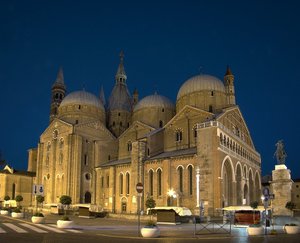
Картината, която донесе слава на Донатело, е Madonna and Child between St Francis and St Anthony (1448); тя се намира в Базилика ди Сант’Антонио, Падуа. Cantoria (1439) и Entombment (1447) следват след тях в сърцата на колекционери и музейни посетители. От 148 произведения на Донатело в нашия каталог, тези 100 са най-обожавани – всяко от тях е представено с дата, музей и описание на това, което го прави уникално.

Класирани според нашия коефициент за популярност, който съчетава търсенията, посещенията и поръчките за всяко произведение. Обновено Октомври 2026. Всяко шедьовър на тази страница може да бъде поръчано като маслено репродукция на ръка с музейно качество или като художествен принт, в избран от Вас размер.

Портрет на Донатело
Донатело · 1386 – 1466
Роден · починал
1386 – 1466, Флоренция
Движение
Ранен ренесанс
Работи в нашия каталог
148
Най-известни
Madonna and Child between St Francis and St Anthony (1448)
Най-много творби в
Музеят на Операта на Дуомо

Донатело: десетте шедьовъра

Madonna and Child between St Francis and St Anthony (1448) на Донатело
1

Madonna and Child between St Francis and St Anthony

In the heart of the Italian Renaissance, where the shadows of antiquity met the burgeoning light of humanism, Donatello breathed life into metal with his masterpiece, Madonna and Child between St Francis and St Anthony. Created around 1448, this profound bronze sculpture serves as a window into a period of unparalleled spiritual and artistic transformation. The composition is a masterclass in symmetrical grace; at its center, the Virgin Mary cradles…

Cantoria (1439) на Донатело
2

Cantoria

1439 · Marble · Музеят на Операта на Дуомо, Флоренция

To stand before Donatello’s Cantoria is to witness the very moment the Renaissance found its pulse. Completed around 1439 for the Cathedral of Santa Maria del Fiore in Florence, this monumental marble relief is far more than a functional singers' gallery; it is a breathtaking explosion of movement and spiritual ecstasy. While much of the era’s sculpture remained tethered to the static, formal traditions of the Byzantine style, Donatello broke…

Entombment (1447) на Донатело
3

Entombment

1447 · Oil On Canvas · Базилика ди Сант’Антонио, Падуа

To stand before Donatello's depiction of the Entombment is to be enveloped in an atmosphere so thick with grief, it feels almost palpable. This scene transcends mere narrative illustration; it is a profound meditation on loss, sacrifice, and the solemn weight of human devotion. The composition draws the viewer into the immediate aftermath of unimaginable tragedy. Jesus Christ lies within the tomb, not merely as a subject, but as the…

Miracle of the Repentant Son (1447) на Донатело
4

Miracle of the Repentant Son

Donatello’s bronze sculpture, "Miracle of the Repentant Son," transcends mere representation; it's a profound meditation on faith, remorse, and divine grace. Created in 1447 during the apex of his artistic maturity, this work embodies the burgeoning humanism and emotional depth that defined the Early Renaissance in Florence. More than just a depiction of a biblical miracle – the restoration of a severed limb by St. Anthony – it’s a study…

Crucifix (1412) на Донатело
5

Crucifix

1412 · Acrylic On Canvas · Базилика Санта Кроче, Флоренция

Donatello's 1412 Crucifix, housed within the Basilica of Santa Croce in Florence, isn’t merely a depiction of Christ on the cross; it’s a visceral experience. This early Renaissance masterpiece transcends simple representation, plunging the viewer into the heart of Christian theology and embodying the profound tension between suffering and redemption. Crafted from richly-toned pearwood, the sculpture immediately commands attention with its remarkably realistic portrayal of the human form – a…

Annunciation (1435) на Донатело
6

Annunciation

1435 · Acrylic On Canvas · Базилика Санта Кроче, Флоренция

Donatello’s 1435 Annunciation, housed within the Basilica di Santa Croce in Florence, isn’t merely a depiction of a biblical moment; it’s a profound meditation on grace, humility, and the transformative power of faith. Commissioned during a pivotal period of artistic innovation – bridging the Gothic and Renaissance eras – this sculpture embodies Donatello's revolutionary approach to humanism and his masterful command of classical forms. The scene unfolds with an arresting…

St George (detail) (1416) на Донатело
7

St George (detail)

1416 · Marble · Museo Nazionale del Bargello, Флоренция

The marble figure of St. George, sculpted by Donatello around 1416, stands as more than just a depiction of a saint; it's a pivotal moment in the evolution of Renaissance sculpture – a testament to the artist’s innovative spirit and his profound understanding of human form and narrative. Originally gracing the north wall of Orsanmichele, Florence’s imposing guildhall, this statue immediately captivated viewers with its dynamic energy and strikingly realistic…

Herod's Banquet (1427) на Донатело
8

Herod's Banquet

1427 · Bronze · Баптистерий, Сиена

Donatello's Herod’s Banquet, crafted around 1427 for the baptismal font of Siena’s San Giovanni Baptistery, isn’t merely a depiction of a biblical episode; it’s a profound meditation on power, betrayal, and the chilling consequences of unchecked ambition. Commissioned amidst the competitive fervor of Renaissance Florence and Siena, this bronze relief stands as a testament to Donatello's burgeoning mastery – a pivotal work that showcases his innovative approach to sculpture and…

Bearded Prophet (1418) на Донатело
9

Bearded Prophet

1418 · Bronze · Музеят на Операта на Дуомо, Флоренция

In the heart of the Florentine Renaissance, where the shadows of antiquity began to dance with the light of new humanism, Donatello breathed life into bronze with his Bearded Prophet. Created around 1418, this monumental figure is far more than a mere sculpture; it is a profound meditation on the weight of divine knowledge and the solemnity of faith. As one gazes upon the weathered surface of the bronze, there…

St. John the Evangelist (1415) на Донатело
10

St. John the Evangelist

1415 · Marble

St. John the Evangelist is a marble sculpture created by the artist Donatello. Dated 1410, this work depicts one of the twelve apostles of Jesus. The subject is rendered as an elderly man, presented with a face etched with lines and a gaze that suggests a state of contemplation and wisdom. This choice of representation presents the figure as a philosopher-like individual.

Още шедьоври от Донатело, от 11 до 100

St Mark (1411) на Донатело
#11

St Mark

1411 · Orsanmichele

Within the echoing halls of Orsanmichele in Florence, stands Donatello's sculpture of St. Mark – more than just a depiction of a biblical figure; it is a profound…

Prophet with Scroll (detail) (1418) на Донатело
#12

Prophet with Scroll (detail)

1418 · Музеят на Операта на Дуомо

To stand before this detail of a prophet is to encounter a moment suspended in time—a profound echo from the heart of the Italian Renaissance. The marble itself,…

St John on Patmos (1428) на Донатело
#13

St John on Patmos

1428

The St John on Patmos painting, created by the renowned artist Donatello in 1428, is a stunning example of Renaissance art. This masterpiece is a testament to Donatello's…

David (detail) (1409) на Донатело
#14

David (detail)

1409 · Museo Nazionale del Bargello

To stand before this detail of Donatello's David is to encounter not merely a sculpture, but a profound meditation on nascent heroism. The marble seems to breathe with…

Pietà (1447) на Донатело
#15

Pietà

1447 · Базилика ди Сант’Антонио

In the quiet sanctity of the Basilica di Sant’Antonio in Padua, there exists a moment frozen in bronze, a profound intersection of divine tragedy and human vulnerability. Donatello’s…

Pulpit (on the right) (1465) на Донатело
#16

Pulpit (on the right)

1465 · Базилика Сан Лоренцо

In the hallowed, sun-drenched silence of the Basilica of San Lorenzo in Florence, there exists a sculptural marvel that captures the very essence of a soul nearing its…

Prophet Jeremiah (1423) на Донатело
#17

Prophet Jeremiah

1423 · Музеят на Операта на Дуомо

To stand before Donatello’s Prophet Jeremiah is to encounter not merely carved stone, but the very weight of human contemplation. This marble masterpiece transports us into a moment…

Prophet Habakkuk (1427) на Донатело
#18

Prophet Habakkuk

1427 · Музеят на Операта на Дуомо

In the heart of Florence, within the hallowed halls of the Museo dell'Opera del Duomo, stands a figure that seems to breathe with the weight of centuries. Donatello’s…

Pulpit (1438) на Донатело
#19

Pulpit

1438 · Museum of the Cathedral

The Pulpit by Donatello emerged from the stone and the shared vision of a workshop. In 1438, the artist completed this marble structure, working alongside collaborators Michelozzo and…

Miracle of the New-born Child (detail) (1447) на Донатело
#20

Miracle of the New-born Child (detail)

1447 · Базилика ди Сант’Антонио

This bronze detail captures an aged figure rendered with profound realism. The sculpture focuses on the upper torso and head, where deep wrinkles and facial contours convey experience…

Miracle of the Ass (1447) на Донатело
#21

Miracle of the Ass

1447 · Базилика ди Сант’Антонио

In the heart of the Italian Renaissance, amidst the burgeoning humanism of Florence, Donatello breathed life into metal with his 1447 masterpiece, The Miracle of the Ass. This…

Cantoria (detail) (1439) на Донатело
#22

Cantoria (detail)

1439 · Музеят на Операта на Дуомо

The “Cantoria,” or Singing Gallery, crafted by the towering figure of Donatello between 1439 and 1440, isn't merely a decorative element within Florence’s Duomo; it’s an immersive experience,…

Pulpit (detail) (1438) на Донатело
#24

Pulpit (detail)

1438 · Museo dell'Opera del Duomo

To look closely at this detail from the pulpit is to witness a quiet revolution in stone. The marble figures emerge from their setting with a sense of…

Christ before Pilate and Caiaphas (1460) на Донатело
#25

Christ before Pilate and Caiaphas

1460 · Базилика Сан Лоренцо

Donatello's 1460 bronze sculpture, “Christ Before Pilate and Caiaphas,” stands as a monumental achievement within the burgeoning artistic landscape of the Italian Renaissance. Housed in the San Lorenzo…

David (1409) на Донатело
#26

David

1409 · Museo Nazionale del Bargello

To stand before Donatello’s David is not merely to observe a sculpture; it is to witness a suspended moment of profound human potential. Carved from luminous marble, this…

St George and the Dragon (1416) на Донатело
#27

St George and the Dragon

1416 · Museo Nazionale del Bargello

Gazing upon this marble bust is to confront a moment frozen in time—a powerful confluence of classical revivalism and raw human emotion. The subject, rendered with breathtaking verisimilitude,…

Saint George (1417) на Донатело
#28

Saint George

1417 · Museo Nazionale del Bargello

In the heart of Florence, where the echoes of the Quattrocento still resonate through the cobblestone streets, stands a figure of unparalleled poise and quiet strength. Donatello’s Saint…

St John the Evangelist (detail) (1410) на Донатело
#29

St John the Evangelist (detail)

1410 · Музеят на Операта на Дуомо

Donatello's “St John the Evangelist (detail),” a remarkably preserved marble sculpture created around 1410-1411, stands as a pivotal work in the transition from the late Gothic to the…

St John the Evangelist (1410) на Донатело
#30

St John the Evangelist

1410 · Музеят на Операта на Дуомо

St John the Evangelist is a marble sculpture created by the artist Donatello. The work is dated 1410. It depicts one of the twelve apostles of Jesus, specifically…

North pulpit (1460) на Донатело
#33

North pulpit

1460 · Базилика Сан Лоренцо

To stand before the North Pulpit is to witness a profound moment in the evolution of Western art, where the rigid structures of the Middle Ages began to…

Miracle of the Avaricious Man's Heart (1447) на Донатело
#37

Miracle of the Avaricious Man's Heart

1447 · Базилика ди Сант’Антонио

Within the hallowed, sun-drenched walls of the Basilica di Sant’Antonio in Padua, there exists a moment frozen in time, a bronze whisper of the divine captured by the…

Allegoric Figure of a Boy (Atys), rear view (1430) на Донатело
#38

Allegoric Figure of a Boy (Atys), rear view

1430 · Museo Nazionale del Bargello

To stand before an image evoking this bronze figure is to feel the very breath of the Renaissance wind against one's skin. This depiction, titled Allegoric Figure of…

St George (detail) (1416) на Донатело
#39

St George (detail)

1416 · Museo Nazionale del Bargello

In the heart of Florence, within the hallowed halls of the Museo Nazionale del Bargello, resides a fragment of eternal courage. Donatello’s St. George, specifically captured in this…

Cantoria (detail) (1439) на Донатело
#40

Cantoria (detail)

1439 · Музеят на Операта на Дуомо

In the heart of Florence, within the hallowed halls of the Museo dell’Opera del Duomo, lies a fragment of divine ecstasy known as the Cantoria. Created by the…

Египетският статут на Гатамелато (1447) на Донатело
#41

Египетският статут на Гатамелато

1447 · Piazza del Santo

Екзарсистичната статуя на Гатамелато е едно от най-значимите произведения на ренесансовата скулптура и свидетелство за гения на Донятело и неговото умение да пренесе древните традиции в съвременността. Изваяна…

Поръчайте репродукция →
Marzocco (1419) на Донатело
#43

Marzocco

1419 · Museo Nazionale del Bargello

In the heart of the Renaissance, amidst the political tremors and cultural rebirth of 15th-century Florence, Donatello breathed life into stone to create one of the city's most…

Cantoria (detail) (1439) на Донатело
#45

Cantoria (detail)

1439 · Музеят на Операта на Дуомо

Donatello's "Cantoria," a breathtaking detail from the larger marble relief adorning the south sacristy doors of the Duomo in Florence, isn’t merely a sculpture; it’s a vibrant snapshot…

Поръчайте репродукция →
Herod's Banquet (detail) (1427) на Донатело
#46

Herod's Banquet (detail)

1427 · Баптистерий

In the hallowed, quiet corridors of the Siena Baptistery, there exists a moment frozen in time, captured not in paint, but in the enduring strength of bronze. Donatello’s…

Miracle of the Avaricious Man's Heart (detail) (1447) на Донатело
#47

Miracle of the Avaricious Man's Heart (detail)

1447 · Базилика ди Сант’Антонио

The Miracle of the Avaricious Man's Heart is a remarkable bronze relief created by the renowned Italian artist Donatello in 1447. This stunning work of art is located…

Bearded Prophet (detail) (1418) на Донатело
#48

Bearded Prophet (detail)

1418 · Музеят на Операта на Дуомо

Donatello's "Bearded Prophet" – often referred to as “Pensieroso,” meaning “the Thinker” – stands not merely as a sculpture, but as a profound meditation on humanity’s relationship with…

Prophet Jeremiah (1423) на Донатело
#50

Prophet Jeremiah

1423 · Музеят на Операта на Дуомо

Prophet Jeremiah is a marble sculpture created by the artist Donatello. Dated 1423, the work represents a significant religious subject through the depiction of the biblical prophet. The…

Deposition (1465) на Донатело
#52

Deposition

1465 · Базилика Сан Лоренцо

Donatello's Deposition, completed in 1465, isn’t merely a sculpture; it’s a profound meditation on loss, faith, and the raw vulnerability of humanity. Carved from rich, burnished bronze –…

St George (1416) на Донатело
#53

St George

1416 · Museo Nazionale del Bargello

Donatello’s “St. George,” sculpted in 1416 for the Museo Nazionale del Bargello in Florence, isn’t merely a depiction of a biblical hero; it’s a potent distillation of Renaissance…

Cantoria (1439) на Донатело
#54

Cantoria

1439 · Музеят на Операта на Дуомо

Within the hallowed halls of the Museo dell'Opera del Duomo in Florence resides a sculpture that transcends mere stone and marble – it is an embodiment of Renaissance…

Faith (1427) на Донатело
#55

Faith

1427 · Баптистерий

Donatello's "Faith," crafted in bronze around 1427-1429 for the baptismal font within Siena Cathedral, stands as a pivotal work bridging the late Gothic and burgeoning Early Renaissance styles.…

Old Sacristy (1428) на Донатело
#56

Old Sacristy

1428 · Базилика Сан Лоренцо

To step into the Old Sacristy within the Basilica of San Lorenzo is to leave the chaotic bustle of Florence behind and enter a realm of profound mathematical…

Annunciation (detail) (1435) на Донатело
#57

Annunciation (detail)

1435 · Базилика Санта Кроче

Donatello's "Annunciation," specifically this exquisite detail from the relief adorning the Cavalcanti Chapel in Santa Croce, Florence, stands as a pivotal moment in the burgeoning Renaissance. Crafted around…

Поръчайте репродукция →
Prophet with Scroll (1418) на Донатело
#59

Prophet with Scroll

1418 · Музеят на Операта на Дуомо

Donatello’s “Prophet with Scroll,” crafted between 1415 and 1418, stands as a pivotal work in the burgeoning Early Renaissance of Florence. More than simply a depiction of biblical…

Prophet Habakkuk (1427) на Донатело
#61

Prophet Habakkuk

1427 · Музеят на Операта на Дуомо

In the hallowed, sun-drenched halls of the Museo dell'Opera del Duomo in Florence, there exists a figure that seems to breathe with the heavy weight of centuries. Donatello’s…

Entombment (1465) на Донатело
#62

Entombment

1465 · Базилика Сан Лоренцо

Donatello's “Entombment,” completed around 1465 in Florence, stands as a monumental achievement within the Early Renaissance—a sculpture that transcends mere representation to embody profound human emotion and theological…

Cantoria (9) (1439) на Донатело
#63

Cantoria (9)

1439 · Музеят на Операта на Дуомо

Donatello's "Cantoria," completed in 1439 for the Duomo of Florence, isn’t merely a decorative element; it’s a vibrant embodiment of Renaissance ideals – a testament to human ingenuity,…

Купете го за дома си →
Lamentation over the Dead Christ на Донатело
#64

Lamentation over the Dead Christ

Музей Виктория и Алберт

Donatello, one of the most influential artists of the Italian Renaissance, created the Lamentation Over The Dead Christ around 1455-1460. This remarkable bronze relief is currently housed in…

St George (1416) на Донатело
#65

St George

1416 · Museo Nazionale del Bargello

Donatello's *Saint George*, sculpted in 1416 during the nascent Renaissance, is more than just a marble statue; it’s a potent distillation of classical ideals interwoven with burgeoning humanist…

St John the Baptist (1438) на Донатело
#66

St John the Baptist

1438 · Базилика Санта Мария Глориоза деи Фрари

Donatello’s “St. John the Baptist,” sculpted around 1438 in Carrara marble and now residing within the serene Chapel of St. John the Baptist at Santa Maria Gloriosa dei…

Поръчайте репродукция →
Chellini Madonna, verso на Донатело
#68

Chellini Madonna, verso

Музей Виктория и Алберт

Donatello's "Chellini Madonna," a bronze relief cast in the mid-15th century, stands as a remarkably intimate and profoundly moving work within the artist’s oeuvre. More than simply a…

St Cosmas and St Damian (1428) на Донатело
#69

St Cosmas and St Damian

1428

Two figures emerge from an ornate stone backdrop, their presence defined by a quiet, shared intensity. These men, identified as the twin saints Cosmas and Damian, are positioned…

St Mary Magdalen (1457) на Донатело
#70

St Mary Magdalen

1457 · Музеят на Операта на Дуомо

St Mary Magdalen is a sculptural work created by the Italian Renaissance sculptor Donatello. This figure is slightly larger than life size and was originally made for the…

Bust of Niccolo da Uzzano (1430) на Донатело
#71

Bust of Niccolo da Uzzano

1430 · Museo Nazionale del Bargello

Donatello's 1430s marble bust of Niccolò da Uzzano is more than just a sculpted likeness; it’s a profound meditation on leadership, duty, and the quiet strength required to…

Crucifixion (1465) на Донатело
#72

Crucifixion

1465 · Museo Nazionale del Bargello

A Moment Frozen in Time: Donatello’s Crucifixion The bronze sculpture “Crucifixion” by Donatello stands as an enduring testament to the artistic fervor of the Florentine Renaissance, capturing not…

Prophet Habbakuk (1426) на Донатело
#74

Prophet Habbakuk

1426

To stand before this marble figure is to encounter a man caught in a moment of profound spiritual tension. Created between 1423 and 1426, this sculpture of the…

The Feast of Herod (1427) на Донатело
#75

The Feast of Herod

1427

The air in the room feels heavy, thick with the tension of a moment that refuses to pass. Around a central banquet table, figures are caught in a…

St Stephen and St Lawrence (1428) на Донатело
#76

St Stephen and St Lawrence

1428

The artwork presents two figures positioned within a recessed, arched niche. These figures are rendered in a relief sculpture technique, where the forms emerge from a flat plane…

Evangelist Mark (1428) на Донатело
#77

Evangelist Mark

1428

This high-relief marble sculpture captures a moment of quiet scholarly devotion. Within an oval frame, the figure of the Evangelist is seated at a writing desk, his attention…

Herod's Banquet (1435) на Донатело
#78

Herod's Banquet

1435 · Palais des Beaux-Arts de Lille

This high-relief marble sculpture depicts a crowded, dramatic biblical scene. The composition is densely packed with figures arranged across multiple planes to create a sense of depth and…

Funeral Monument to John XXIII (detail) (1435) на Донатело
#81

Funeral Monument to John XXIII (detail)

1435 · Баптистерия на Сан Джовани

The Funeral Monument to John XXIII (detail) is a work by the sculptor Donatello. This specific fragment captures a moment of stillness within a larger funerary structure. It…

Chellini Madonna, recto на Донатело
#82

Chellini Madonna, recto

Музей Виктория и Алберт

To gaze upon the Chellini Madonna is to step into the very heart of the Florentine Renaissance, where the divine and the human intersect through the masterful hands…

Hope (1427) на Донатело
#83

Hope

1427 · Баптистерий

Within the quiet, hallowed space of the Baptistery of San Giovanni in the Siena Cathedral, a figure emerges from the shadows of a shallow marble niche. This is…

St Mark (1411) на Донатело
#84

St Mark

1411 · Orsanmichele

In the Orsanmichele of Florence, a marble figure of St Mark emerges from its Gothic niche, marking a departure from the rigid traditions of the Middle Ages. Created…

St Rossore (1425) на Донатело
#86

St Rossore

1425 · Museo Nazionale di San Matteo

In the quiet presence of Donatello’s St Rossore, one does not merely observe a sculpture; one encounters a profound dialogue between the earthly and the divine. Created around…

Musician Angels (1447) на Донатело
#90

Musician Angels

1447 · Базилика ди Сант’Антонио

In the hallowed stillness of the Basilica of Saint Anthony in Padua, there exists a moment where time seems to suspend itself, captured forever in the shimmering bronze…

Картини на Донатело по периоди

Обичаните сюжети на Донатело

Четирите най-често срещани сюжета сред тези шедьоври, с най-добрия пример за всеки от тях.

Къде могат да се видят картините на Донатело

8 музея, които притежават най-голям брой от картините на тази страница.

Музеи Град Творения на Донатело Картини от този списък
Музеят на Операта на Дуомо, ФлоренцияМузеят на Операта на Дуомо Флоренция 22 Cantoria, Bearded Prophet, Prophet with Scroll (detail)
Museo Nazionale del Bargello, ФлоренцияMuseo Nazionale del Bargello Флоренция 13 St George (detail), David (detail), David
Базилика ди Сант’Антонио, ПадуаБазилика ди Сант’Антонио Падуа 12 Madonna and Child between St Francis and St Anthony, Entombment, Miracle of the Repentant Son
Базилика Сан Лоренцо, ФлоренцияБазилика Сан Лоренцо Флоренция 12 Pulpit (on the right), Christ before Pilate and Caiaphas, Deposition (detail)
Piazza del Santo, ПадуяPiazza del Santo Падуя 6 Equestrian Statue of Gattamelata (8), Египетският статут на Гатамелато, Equestrian Statue of Gattamelata
Баптистерий, СиенаБаптистерий Сиена 4 Herod's Banquet, Herod's Banquet (detail), Faith
Баптистерия на Сан Джовани, ФлоренцияБаптистерия на Сан Джовани Флоренция 4 Funeral Monument to John XXIII (detail), Funeral Monument to John XXIII (detail), Funeral Monument to John XXIII (detail)
Базилика Санта Кроче, ФлоренцияБазилика Санта Кроче Флоренция 3 Crucifix, Annunciation, Annunciation (detail)

Донатело, десетилетие по десетилетие: най-значимата картина за всяко от тях

  1. 1400s
    David (detail) (1409) на Донатело
    Место 14 от 100

    David (detail)

    Възраст 14 – 23 · Museo Nazionale del Bargello

    To stand before this detail of Donatello's David is to encounter not merely a sculpture, but a profound meditation on nascent heroism. The marble seems to breathe with…

  2. 1410s
    Crucifix (1412) на Донатело
    № 5 от 100

    Crucifix

    Възраст 24 – 33 · Базилика Санта Кроче

    Donatello's 1412 Crucifix, housed within the Basilica of Santa Croce in Florence, isn’t merely a depiction of Christ on the cross; it’s a visceral experience. This early Renaissance…

  3. 1420s
    Herod's Banquet (1427) на Донатело
    Место 8 от 100

    Herod's Banquet

    Възраст 34 – 43 · Баптистерий

    Donatello's Herod’s Banquet, crafted around 1427 for the baptismal font of Siena’s San Giovanni Baptistery, isn’t merely a depiction of a biblical episode; it’s a profound meditation on…

  4. 1430s
    Cantoria (1439) на Донатело
    № 2 от 100

    Cantoria

    Възраст 44 – 53 · Музеят на Операта на Дуомо

    To stand before Donatello’s Cantoria is to witness the very moment the Renaissance found its pulse. Completed around 1439 for the Cathedral of Santa Maria del Fiore in…

  5. 1440s
    Madonna and Child between St Francis and St Anthony (1448) на Донатело
    Место 1 от 100

    Madonna and Child between St Francis and St Anthony

    Възраст 54 – 63 · Базилика ди Сант’Антонио

    In the heart of the Italian Renaissance, where the shadows of antiquity met the burgeoning light of humanism, Donatello breathed life into metal with his masterpiece, Madonna and…

  6. 1450s
    St Mary Magdalen (1457) на Донатело
    Место 70 от 100

    St Mary Magdalen

    Възраст 64 – 73 · Музеят на Операта на Дуомо

    St Mary Magdalen is a sculptural work created by the Italian Renaissance sculptor Donatello. This figure is slightly larger than life size and was originally made for the…

  7. 1460s
    Pulpit (on the right) (1465) на Донатело
    Место 16 от 100

    Pulpit (on the right)

    Възраст 74 – 80 · Базилика Сан Лоренцо

    In the hallowed, sun-drenched silence of the Basilica of San Lorenzo in Florence, there exists a sculptural marvel that captures the very essence of a soul nearing its…

Шедьоври на Донатело: въпроси и отговори

С коя картина е най-известен Донатело?Покажи отговора

Madonna and Child between St Francis and St Anthony (1448), Базилика ди Сант’Антонио, Падуа. Следват Cantoria (1439) и Entombment (1447).

На колко години е бил Донатело, когато е създавал Madonna and Child between St Francis and St Anthony?Покажи отговора

62 години: Madonna and Child between St Francis and St Anthony е от 1448 г., а Донатело е роден/а в 1386.

Кои са десетте най-велики картини на Донатело?Покажи отговора

Madonna and Child between St Francis and St Anthony, Cantoria, Entombment, Miracle of the Repentant Son, Crucifix, Annunciation, St George (detail), Herod's Banquet, Bearded Prophet и St. John the Evangelist. Класацията по-горе посочва годината и музея на всяко от тях.

Колко произведения е нарисувал Донатело?Покажи отговора

В нашия каталог са изброени 148 произведения на Донатело, датирани от 1406 до 1465.

В кои музеи мога да видя шедьоврите на Донатело?Покажи отговора

Повечето от тях се намират в Музеят на Операта на Дуомо (Флоренция), Museo Nazionale del Bargello (Флоренция) и Базилика ди Сант’Антонио (Падуа). В горната таблица музеите са изброени един по един.

Кога Донатело е създала своите шедьоври?Покажи отговора

В 1430s: 22 от 100 произведенията на тази страница са от този период, като сред тях са Cantoria.

Кои са първата и последната известни картини на Донатело?Покажи отговора

Най-старата творба на тази страница е от Prophet (left of the Porta della Mandorla) (1406), а най-новата е от Pulpit (on the right) (1465).

Кои бяха любимите теми на Донатело?Покажи отговора

Renaissance (46), Donatello (36) и Sculpture (35), сред 100 произведения на тази страница.

Коя техника е предпочитала Донатело?Покажи отговора

Marble: 31 от общо 100 произведения на тази страница.

Към кое художествено направление принадлежи Донатело?Покажи отговора

Ранен ренесанс, както показват картините на тази страница.

Кои шедьоври на Донатело се съхраняват в Музеят на Операта на Дуомо?Покажи отговора

Cantoria, Bearded Prophet и Prophet with Scroll (detail) са сред 21-те произведения на тази страница, съхранявани в Музеят на Операта на Дуомо, Флоренция.

Мога ли да притежавам репродукция от шедьовър на Донатело?Покажи отговора

Да. Всяка картина на тази страница може да бъде поръчана като ръчно рисувано маслено репродукция музейно качество или като художествен принт в избран от Вас размер, директно от страницата на съответната картина.

Животът на Донатело

Животът и идентичността на Донатело

Роден като Донато ди Николо ди Бето Барди, човекът, познат на историята като Донатело, прекарва целия си живот в рамките на Флоренция, Италия. Той се явява в този свят около 1386 г. – в епоха, в която градът започва да преосмисля собствения си образ чрез камък и бронз. Присъствието му в флорентинския пейзаж е постоянно, белязано от уверена ръка и фокус върху физическата реалност на неговите обекти. Той е италиански ренесансов скулптор, който разбира тежестта на материалите, с които работи – от твърдостта на мрамора до пластичността на восъка.

Творчеството му не е било самотно преследване на съвършенството, а по-скоро поредица от отговори на нуждите на неговото време. Той се движи през улиците на Флоренция, работейки с различни медии и оставяйки след себе си следа от фигури, които улавят специфично, човешко присъствие. Въпреки че е бил известен като приятен човек и обичан от околните, той се бори с практическите аспекти на управлението на бизнес. Често е поемал повече работа, отколкото ръцете му са могли да завършат навреме, понякога оставяйки финалните щрихове на другите или предавайки произведения по-късно, отколкото се очаква. Тази склонност към прекалено ангажиране подсказва за човек, по-загрижен за самия акт на творене, отколкото за управлението на работилница.

Донатело умира във Флоренция на 13 декември 1466 г. Той оставя след себе си богато творческо наследство, което променя начина, по който скулптурите подхождат към човешката форма, отдалечавайки се от скованите традиции на миналото към нещо по-заземено и експресивно. Неговият живот е неразривно свързан с града, а неговата идентичност остава неразделима от флорентинската почва, където е живял и е творил.

Ранен живот и художествено обучение

Роден във Флоренция, Италия, Донатело израства в град, който служи за основен епицентър на разцъфващия Ренесанс. Тази среда предоставя съществената културна енергия за неговото развитие. Той прекарва ранните си години, погълнат от местната атмосфера, в която преходът от скованите средновековни традиции вече започва да се налага. Неговата връзка с флорентинския пейзаж е дълбока, тъй като еволюиращите ценности на града оформат неговия ранен подход към формата и фигурата.

Неговото обучение включва тясно изучаване на класическата скулптура. Този фокус върху античността му помага да се насочи към нов стил, който приоритизира реализма и хуманизма. Преди да открие собствения си глас, той изучава международния готически стил от Lorenzo Ghiberti. Този период на учене му позволява да овладее техническите умения на своето занаятчийство, преди да започне да се отклонява от тези утвърдени традиции. Той работи с различни материали, включително камък, бронз, дърво, глина, стуко и восък, като често използва стъкло по изобретателен начин, за да постигне специфични ефекти.

Патрони, работилница и поръчки

Ръцете на Донатело често бяха заети с безкрайни творчески процеси. Той имаше навика да приема повече поръчки, отколкото графикът му можеше да побере – наклонност, която понякога означаваше, че проектите се завършвали със закъснение или се предаваха на други, за да бъдат завършени. Това огромно натоварване изискваше постоянно присъствие в неговата работилница, където той сътрудничеше с няколко помощници. Група от четирима души беше типичен брой за неговото студио, помагайки му да се справи с физическите изисквания при работа с камък, бронз и глина.

Семейство Медичи осигуряваше стабилна подкрепа, предлагайки покровителство от такъв вид, който му позволяваше да преминава през различните етапи на своя творчески път. Обхватът на неговото влияние се простираше далеч от улиците на Флоренция; той пътува, за да изпълнява поръчки в Рим, Падуя и Сиена. Това постоянно движение между градовете означаваше, че неговата практика никога не е била ограничена до едно място, тъй като той пренасяше своите методи и своите помощници в различни центрове на културна активност.

Иновативни техники и артистичен стил

Подходът на Донатело към скулптурата представлява смел отход от скованите традиции на международната готика. Той изгражда уникален стил на Ранното Ренесанс, който поставя основите на един нов, пробивничък реализъм. Този нов естетика се постига чрез дълбокото му разбиране на човешката анатомия и изкуството на играта на светлината върху повърхността. Донатело не се ограничава от един единствен материал; той превръща в своя инструмент камък, бронз, дърво, глина, стуко и восък, а понякога използва дори стъкло по иновативни начини, за да добави изключителен детайл към своите фигури.

Едно от неговите най-значими технически постижения е разработването на rilievo stiacciato – изключително плитка техника на барелеф. При нея релефът е толкова фин и едва забележим, че чрез прецизни промени в дебелината се създава магическа илюзия за дълбочина. Чрез този метод той успява да внуши перспектива и разстояние върху почти плоска повърхност, превръщайки камъка в пространство. Творчеството му често разкрива напрежение между физическата тежест на материала и експресивното движение на субекта; той придава на мрамора мекотата на човешката кожа, а на бронза – усещане за мощна, мускулна енергия.

  • Давид (бронз)
  • Конният паметник на Гатамелата
  • Свети Георги (мрамор)

Ключови скулптурни шедьоври

През 1416 г. той завършва Свети Георги – мраморна фигура, която улавя усещането за непоколебимо кураж. Скулптурата изобразява рицаря в броня, балансиращ на предната част на стъпалата си, вместо да стои в традиционното положение на контрапост. В нея се усеща почти физическо присъствие на мускулното тяло, работещо под повърхността на камъка. Това произведение е едно от многото възпитани от флорентинските гилдии, предназначени да украсят външните ниши на църквата Орсанмикеле.

Неговият бронзов Давид остава значима веха в историята на скулптурата. Това е първата свободностояща скулптура на гол мъж, създадена от античността насам. Фигурата е представена с енигматична усмивка, стояща с крак върху обезглавената глава на Голиат. Докато мраморната версия на този сюжет е ранно поръчка, бронзовата версия се отличава със своето деликатно, андрогинно тело и начина, по който използва наголуеността на юнака, за да създаде контраст с тежкия меч в ръката му.

В по-късните етапи от кариерата си той се насочва към различни материали и мащаби. Конният паметник на Гатамелата, създаден през 1453 г., е масивно бронзово произведение, разположено в Падуя. Около 1440 г. той създава Покаяната Мария Магдалина – дървена скулптура, изваяна от бял топол. Тази фигура е изсветлена и изгубена, далеч от типичните изображения на красива млада жена. Резьба е сурова и изключително детайлна, разкривайки съвсем различна грандиозност на неговото техническо майсторство.

  • Свети Георги, 1416
  • Давид (бронз), ок. 1440
  • Покаяната Мария Магдалина, ок. 1440
  • Конният паметник на Гатамелата, 1453

Наследство и художествено влияние

Подходът на Донатело към формата не намери незабавно приемане в неговото съвремение. Творчеството му премина през отчетливи етапи, започвайки с фокус върху класическата монументалност и постепенно развивайки нарастващо чувство за експресивност. С напредването на кариерата му този стил придобива огромна популярност, като в крайна сметка се превърне в най-широко разпространеният художествен език в региона. Влиянието му обаче не спря до границите на Флоренция; то се разпространи далеч от нея, достигайки до другите италиански дворове и променяйки съзнанието на художници в цяла Европа.

Мастерството му при работа с материалите му позволи да постигне невероятна дълбочина на емоциите. Той премина от тежкото, солидно присъствие на ранните си мраморни фигури към по-сурови, дори брутални произведения в по-късните си години. Тази трансформация разкри дълбоката му готовност да изследва човешкото съществуване чрез разнообразни текстури – от гладките, полирани повърхности на камъка до изразената, почти болезнено изтъняла текстура на дървото в неговите по-късни религиозни скулптури. Способността му да улавя усещането за движение и психологическо тежест коренно промени начина, по който скулпторите подхождат към човешката фигура.

  • Давид (бронз)
  • Конният паметник на Гатамелата
  • Свети Георги
  • Каещата Мария Магдалина

Всички 148 произведения на Донатело →