A Pioneer of Cubist Sculpture: The Life and Art of Alexander Archipenko
Alexander Porfyrovych Archipenko, born in Kyiv, Ukraine, on May 30, 1887, stands as a monumental figure in the evolution of modern sculpture. His journey, marked by a restless spirit and an unwavering pursuit of artistic innovation, fundamentally reshaped our understanding of three-dimensional form and space. From his early training in Kyiv to his eventual embrace of American art, Archipenko’s life was a testament to his dedication to pushing the boundaries of creative expression. He passed away on February 25, 1964, leaving behind a legacy that continues to inspire artists and scholars alike.
- Early Years and Artistic Foundations: Archipenko's formative years in Kyiv instilled within him a deep appreciation for both Western artistic traditions and the rich visual heritage of his native Ukraine. He initially studied painting and sculpture, absorbing influences from classical forms and Byzantine iconography. This early exposure laid the groundwork for his later experimentation with abstraction and geometric principles.
- Parisian Awakening: A pivotal moment in Archipenko’s career arrived in 1908 when he relocated to Paris, a city teeming with artistic ferment. He quickly immersed himself in the avant-garde circles of La Ruche, encountering artists like Fernand Léger and Vladimir Baranoff-Rossiné – figures who shared his desire to challenge conventional artistic norms. This environment proved crucial in shaping his Cubist sensibilities.
Deconstructing Form: The Birth of a New Sculptural Language
Archipenko’s artistic vision was profoundly shaped by the burgeoning Cubist movement, yet he wasn't content merely to translate painting’s fractured perspectives into three dimensions. He sought to fundamentally redefine sculpture itself. Where traditional sculptors focused on solid mass and volume, Archipenko began exploring the power of *negative space* – voids that became integral components of his compositions. This daring approach challenged the very definition of form, suggesting that a sculpture could be defined as much by what wasn’t there as by what was. He masterfully manipulated convex and concave surfaces, creating dynamic interplay of light and shadow, imbuing his works with an unprecedented sense of movement and energy. This innovative spirit led to the creation of “sculpto-paintings,” where he boldly incorporated painted color onto intersecting planes, blurring the lines between sculpture and painting. Inspired by Cubist collage techniques, Archipenko further expanded his material palette, incorporating glass, wood, and metal into his sculptures – most notably in his captivating “Medrano” series depicting circus performers. These works weren’t simply representations of figures; they were investigations into the very essence of sculptural possibility.
Key Innovations:
- Negative Space: Archipenko's radical use of voids redefined sculpture, shifting the focus from solid mass to the interplay of positive and negative forms.
- Sculpto-Paintings: The integration of painted color onto intersecting planes blurred the boundaries between sculpture and painting, creating a dynamic visual experience.
- Geometric Abstraction: Archipenko’s work embraced geometric abstraction, reflecting the principles of Cubism while forging its own unique aesthetic language.
Major Works and Artistic Innovations
Throughout the 1910s, Archipenko produced a series of seminal works that cemented his reputation as a leading figure in modern sculpture.
Family Life (1912), an early example of his Cubist approach to the human form, showcases fragmented planes and abstracted figures, capturing a sense of domestic intimacy through geometric deconstruction.
Walking Woman (1912) exemplifies his innovative use of voids, creating a dynamic impression of movement as if the figure is perpetually in motion.
Boxing Match (1913), with its abstract cubic and ovoid forms, powerfully conveys the energy and brutality of the sport. The “Medrano” series, inspired by the vibrant world of the circus, stands out for its unconventional use of materials – glass, metal, and painted wood – creating a collage-like effect that further blurred the boundaries between sculpture and other art forms. Later in his career, Archipenko undertook monumental projects like the
King Solomon Statue (University of Pennsylvania), demonstrating his continued exploration of abstract forms and geometric principles on a grand scale. These works weren’t merely aesthetic statements; they were intellectual explorations into the nature of perception and representation.
Legacy and Influence: A Lasting Impact on Modern Art
Alexander Archipenko's impact on the trajectory of modern art is undeniable. He stands as one of the first artists to successfully translate the principles of Cubism into three-dimensional form, effectively revolutionizing sculpture. His innovative use of voids, unconventional materials, and “sculpto-paintings” dramatically expanded the possibilities of the medium, inspiring generations of artists to challenge traditional conventions. After emigrating to the United States in 1923 and becoming a citizen in 1928, Archipenko continued to create and teach, introducing Cubist ideas and experimental techniques to a wider audience. He held teaching positions at various institutions, including the New Bauhaus, further disseminating his artistic philosophy. His election to the American Academy of Arts and Letters in 1962 served as a formal recognition of his significant contribution to art history.
Archipenko’s legacy extends beyond specific artworks; it lies in his unwavering commitment to innovation and his willingness to question fundamental assumptions about what sculpture could be. He left behind not just a body of work, but a new language for artistic expression – one that continues to resonate with artists and audiences today.




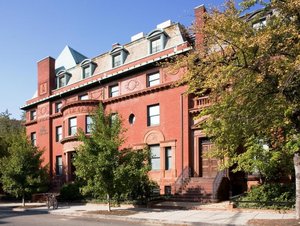 The Phillips Collection
 Art Gallery of Hamilton
 Oldenburg State Museum for Art and Cultural History


