Top 3 works: Badge of the Order of Saint Bishop Platon
Born: 1895, Tallinn, Estonia
Roman Tavast: Life and Legacy
Early Life and Education
Born: May 11, 1895, in Tallinn, Estonia.
Family Background: Roman Tavast came from a humble fisherman’s family, shaping his early understanding of craftsmanship and resilience.
Education: He began his formal education at Niklasen's 4-year private school. Subsequently, he pursued specialized training in engraving and goldsmithing at E. Treder's workshop.
Further honing his skills, Tavast worked under the esteemed goldsmith Julius Lossman, mastering the art of gilding. He also attended an art school to broaden his artistic foundation and completed evening high school for a general education.
Artistic Development & Career
Independent Beginnings: Following the Estonian War of Independence, Tavast embarked on his independent career. In 1920, he equipped himself with a goldsmith’s workbench and, by 1921, added a wire rolling machine to his workshop.
VMT Roman Tavast: In 1923, at the age of 28, he established VMT Roman Tavast – an independent company specializing in the production of badges, medals, and various honors and awards. This marked a significant milestone in his career.
Artistic Style: Tavast’s work is often associated with the Art Deco movement, characterized by its elegant geometry, streamlined forms, and sophisticated ornamentation. His designs reflected both Estonian national identity and contemporary artistic trends.
Major Achievements & Notable Works
Production of Honors: Tavast’s company became renowned for creating high-quality badges, medals, and awards for various Estonian organizations and institutions. These pieces served as symbols of national pride and recognition.
Badge of the Order of Saint Bishop Platon: One notable example of his work is the Badge of the Order of Saint Bishop Platon, showcasing his meticulous craftsmanship and artistic skill.
Business Acumen: Tavast demonstrated exceptional entrepreneurial skills in building and managing a successful jewelry factory during a period of economic and political change.
Historical Significance & Tragic Fate
Soviet Occupation (1940): The occupation of Estonia by the Soviet Union in 1940 dramatically altered Tavast’s life and work. His factory and residential building were nationalized, and Karl Johanson was appointed as the new director.
Deportation & Execution: Despite continuing to work as a technical manager at his former factory until June 1941, Tavast was deported to the Vorkuta camp system in the Russian North. Tragically, he was sentenced to death and executed in Sosva, Sverdlovsk Oblast, Soviet Union, on August 3, 1942.
Legacy: Roman Tavast’s story serves as a poignant reminder of the impact of political upheaval on artistic expression and individual lives. His work remains a testament to Estonian craftsmanship and national identity, even amidst adversity.
От редакционния екип на WahooArt.com
Квиз за изкуство
За всеки въпрос има само един верен отговор.
Въпрос 1:
Roman Tavast primarily worked as both an artist and a…?
Въпрос 2:
In what year did Roman Tavast establish his own company, VMT Roman Tavast?
Въпрос 3:
What ultimately happened to Roman Tavast during the Soviet occupation of Estonia?
Въпрос 4:
Before establishing his own company, where did Roman Tavast receive training in goldsmithing?
Въпрос 5:
What type of items did VMT Roman Tavast primarily produce?
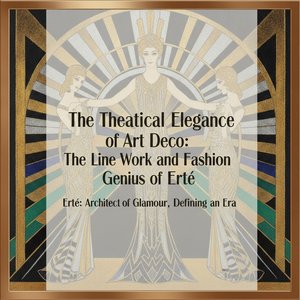
Discover the unparalleled elegance of Art Deco through the lens of Erté. Explore a masterclass in linear precision, theatrical costume design, and high-fashion illustration that continues to define modern luxury and sophisticated interior aesthetics.
Discover the allure of Art Deco through a curated guide to its most iconic masterpieces. Explore the elegance of Erté and the innovation of Jean Dunand, perfect for collectors seeking timeless glamour and sophisticated design inspiration.
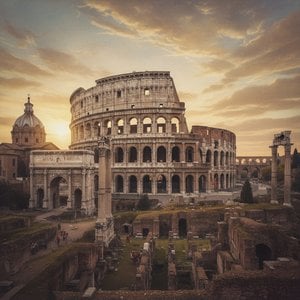
Explore the profound beauty of Roman architecture through art history. From Piranesi's evocative engravings to classical masterpieces, discover how the grandeur of ancient Rome continues to inspire collectors and art enthusiasts worldwide.
Здравейте! Мога да ви помогна с избора на произведение на изкуството, проследяването на поръчка или отговори на въпроси относно гаранцията. С какво мога да ви бъда полезен?